
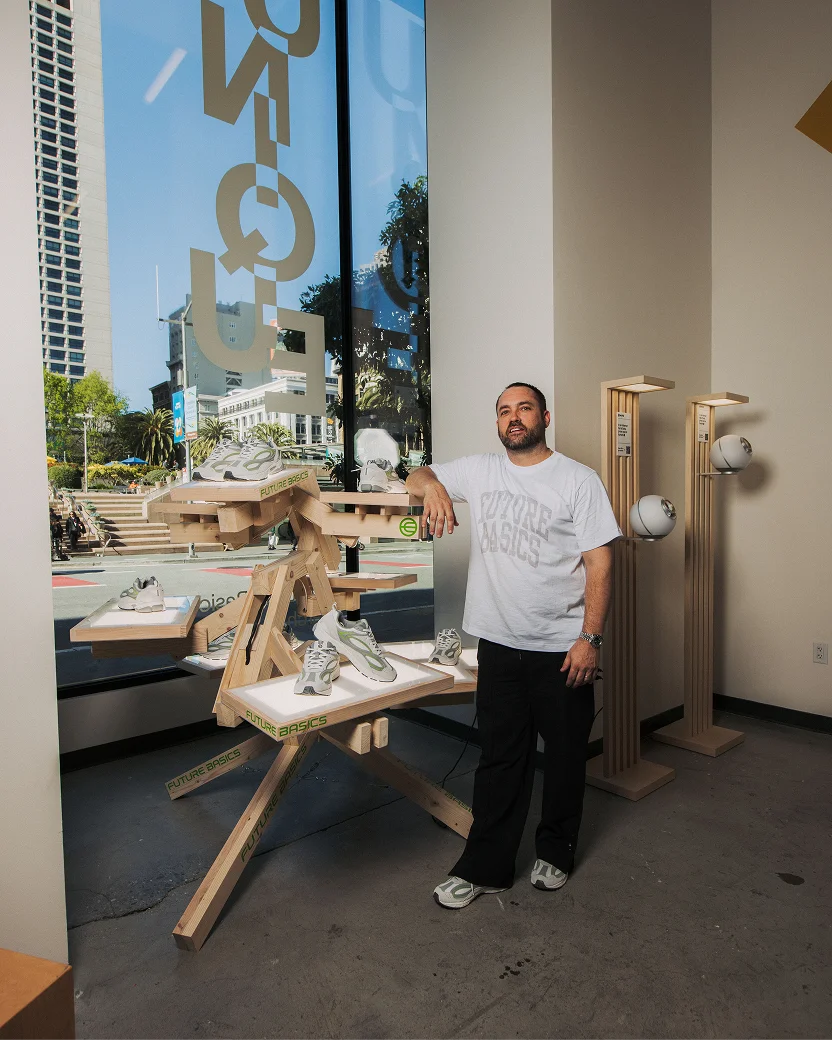
Future Basics founder Kyle Riggle seeks to answer a fundamental question in AI era: how do people discover, connect with and trust the things they buy?
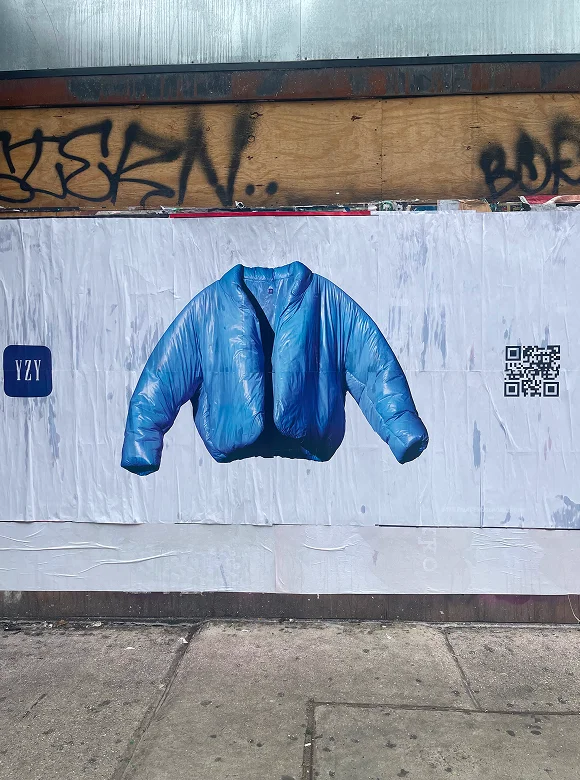
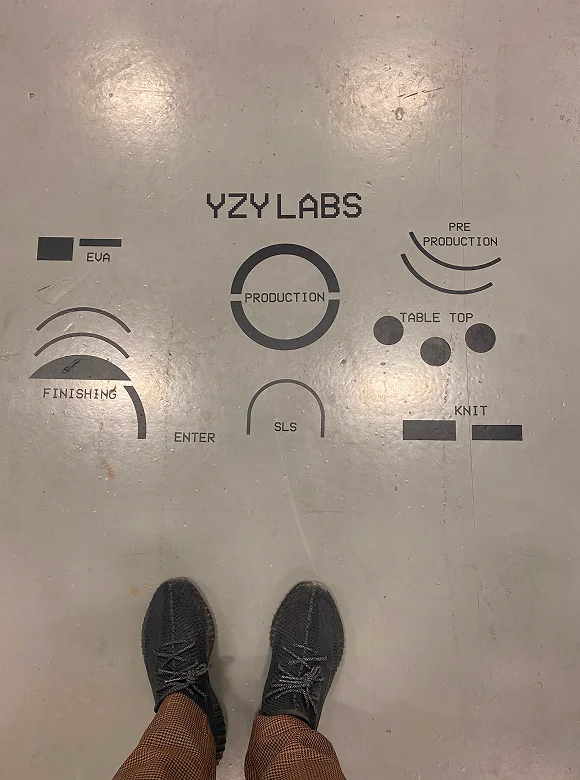
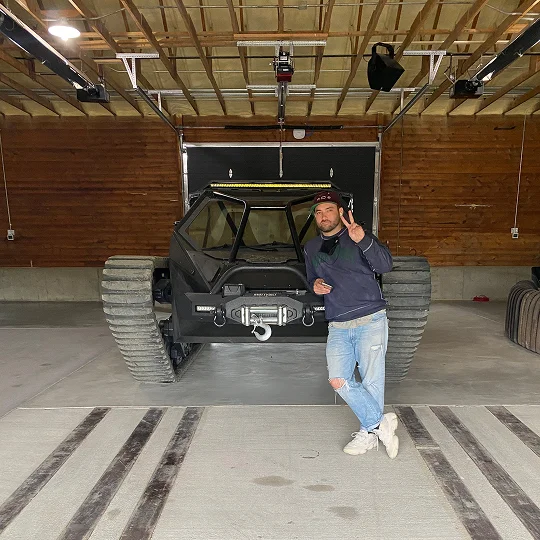
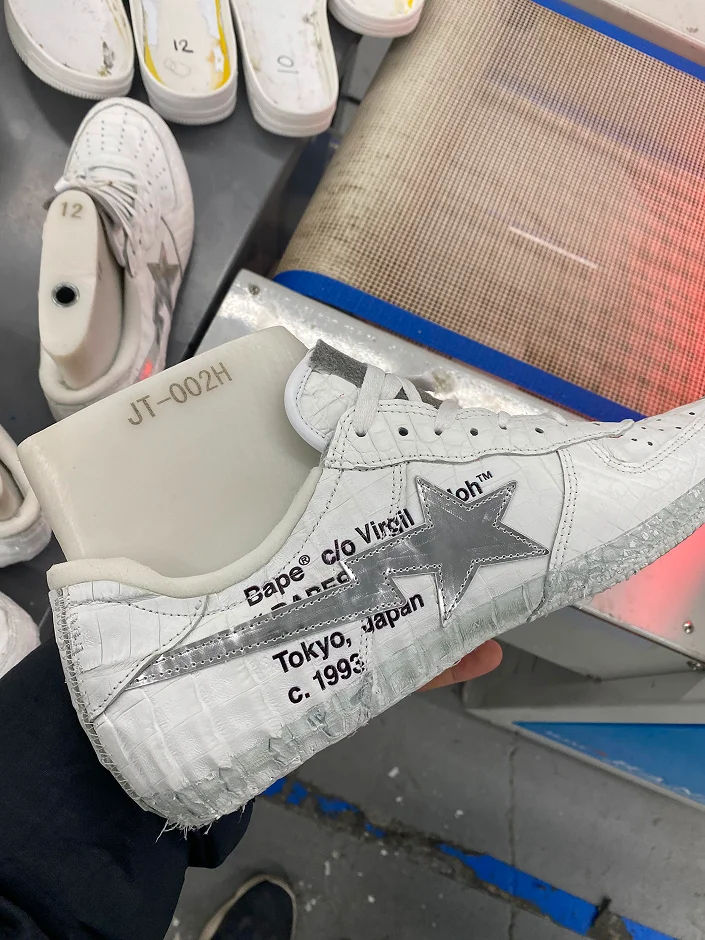
Kyle Riggle likes to talk about what didn't work. Before Future Basics, Shopify and Yeezy, before helping brands navigate the intersection of culture and commerce, there was a grocery store. Fresh out of high school, he wasn't sure what came next.
"I was fairly lost," he said. The grocery gig taught him something unexpected: economics. Grocery stores operate on razor-thin margins, and success often comes down to understanding human behavior: why people buy what they buy, how products influence one another and why placement matters.More importantly, it taught him how to work with people.
It was the beginning of a career spent studying how products move through culture. When Riggle eventually returned to school, he found his footing. After multiple attempts, he transferred to Columbia University, where he studied philosophy before taking a more traditional path to Wall Street. That experience was valuable and also clarifying. For the second time in his life, he discovered something he didn't want to do. "I realized I could march my own path,” said Riggle.
Learning from Culture
Fashion had always fascinated him. As a teenager working retail, he found himself surrounded by products that cost more than he could afford and customers willing to spend extraordinary amounts of money to express identity through what they wore. "I really enjoyed fashion. I really enjoyed being a part of that conversation," Riggle said. The breakthrough came through Dominic Chambrone, better known as The Shoe Surgeon. Together they found themselves at the forefront of a new phenomenon: social media transforming commerce.
At the time, they were creating customized footwear for celebrities across music and sports industries. Instagram was still young, but its influence was already becoming impossible to ignore. Celebrity collaborations generated attention, and that attention generated followers, which turned into real customers.
For Riggle, the lesson was immediate: "Social media was really going to change the game because it allows us to own our audience." Years before the term "creator economy" became mainstream, he was watching and contributing to its foundation being built in real time. His description is simple: "Instagram became the Main Street." The creators emerging online weren't just influencers, they were becoming retailers, tastemakers and distribution channels all at once. That insight would shape the next chapter of his career.
Building Through Nonlinear Progress
After helping grow KicksUSA into a seventy-four-store retail business and working alongside some of the footwear industry's most respected operators, Riggle moved into projects that sat between manufacturing, storytelling and community building.
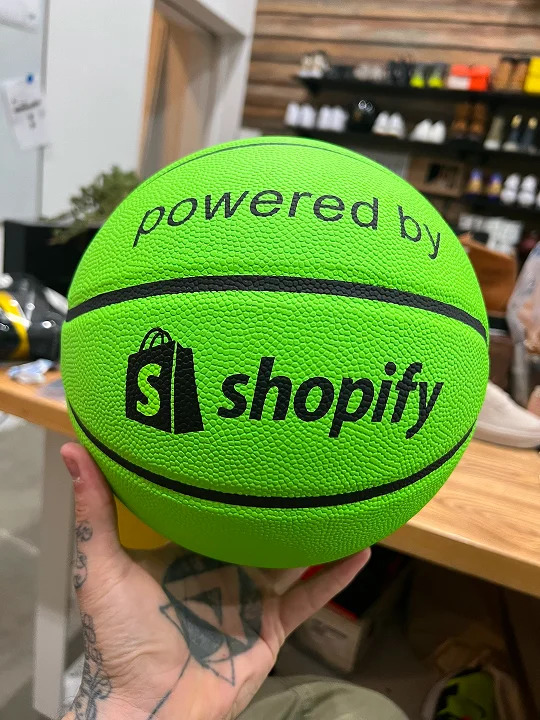
The common thread was always the same: understanding how products become meaningful to people. Later, at Shopify, he helped creators transform audiences into businesses. The company possessed something few others had: data. Riggle recalls: "We could see which product categories were really trending." The challenge was finding the right creators to bring them to life.
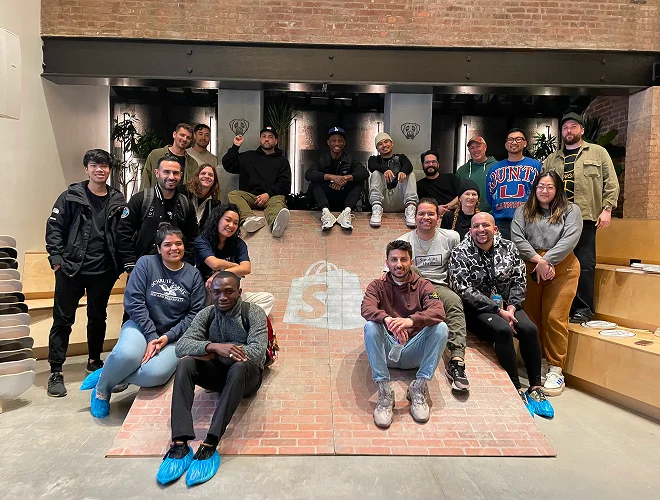
When workforce reductions dissolved the team after the pandemic, something unexpected happened. The creators they had been helping build businesses, helped to encourage them to continue, that is how Future Basics was born.
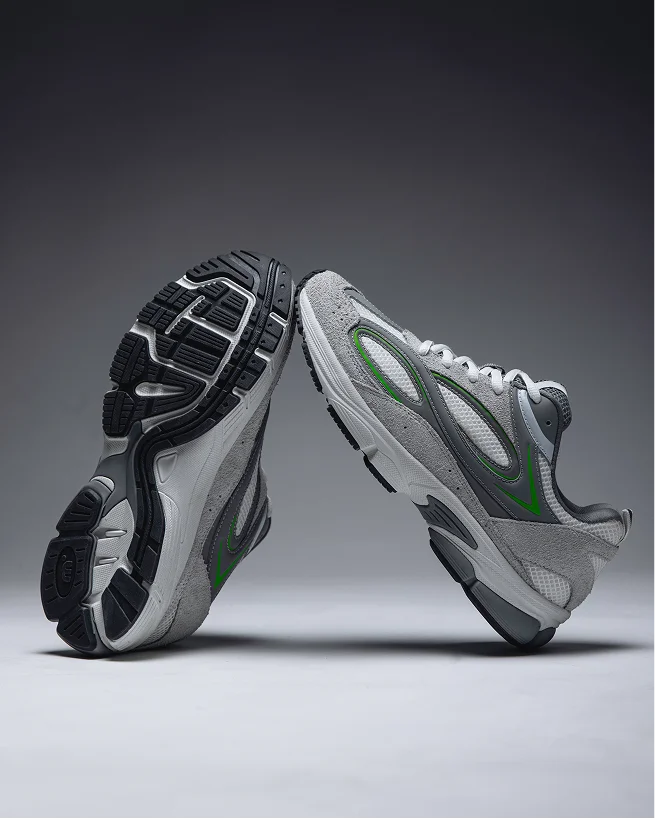
Future Basic’s name reflects a philosophy Riggle has carried throughout his career. "The things that are super complex now become pretty basic in the future once you go through them." Today, Future Basics operates across product development, web experiences and physical activations, helping brands navigate increasingly complex consumer landscapes.
Designing for World Flagship
That philosophy found a natural home in Future Basics Pop-Up inside World Flagship store in San Francisco.
Having spent years working in industries affected by bots, scalpers and automated purchasing systems, Riggle recognized the challenge firsthand. "World technology was super fascinating to me," he said. "I could immediately associate with what they were going to solve."
When Future Basics later partnered with World to develop products and retail experiences for our flagship, Riggle saw an opportunity to do something larger than merchandise. World's technology can feel complex, Future Basics products offered a way to make it much more approachable. "Fashion is something everybody participates in," said Riggle.
A hoodie, a cap or even a plush version of the Orb can create an emotional connection before someone fully understands the technology behind it. "You have an opportunity to soften the perspective of this technology," said Riggle.
For him, quality mattered just as much as storytelling. Every material, print technique, label and finish became part of the larger narrative. "I immediately started to associate the quality of that hoodie with the quality of your product," he shared. The physical experience becomes an extension of the brand itself. Seeing the finished products installed inside the flagship was gratifying, but not because the project was complete. It was gratifying because people were interacting with it. "The sweetest part of the process is seeing it all come together," Riggle said.
The Future of Discovery
Today, the question occupying Riggle's mind is larger than fashion. As artificial intelligence reshapes how people find products online, he wonders what happens to brands themselves. "If I have a tool that can show me the highest quality navy blue hoodie for seventy dollars," he asked, "why do I need a brand?"
As discovery becomes increasingly automated, physical experiences become increasingly valuable: pop-ups, events, community gathering and real-world encounters between people and products. "We're getting a lot of business for pop-ups," said Riggle.
Technology may change how products are found, purchased and delivered, but the desire for human connection remains remarkably consistent.
