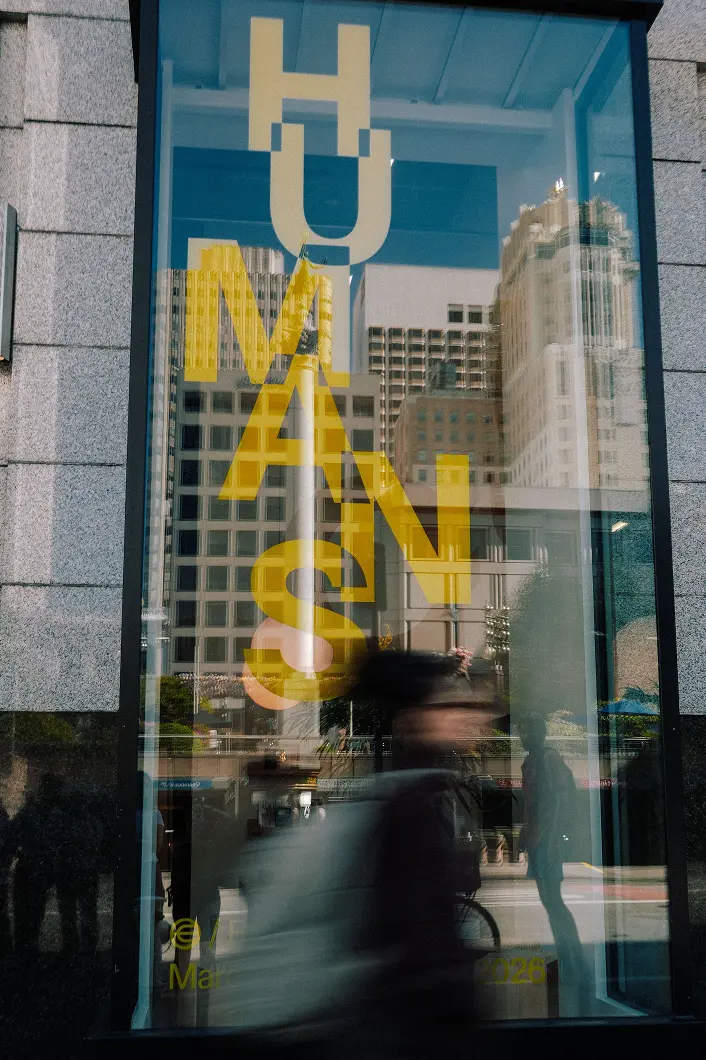
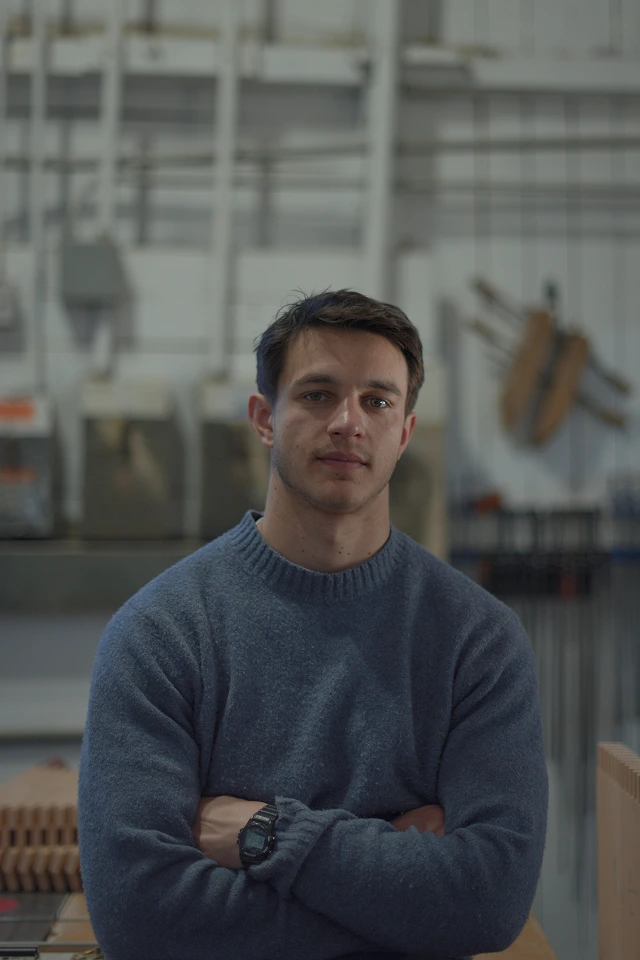
Studio Fritz founder Lucas Fritz Weyand finds meaning in 'slower' practice: crafting handmade objects for a more human-centric, sustainable future.
Lucas Fritz Weyand's favorite piece of furniture is a set of aging wooden chairs that have followed his family through decades of use. The finish is worn, the wood bears the marks of daily use.
What Lucas talks about first are the armrests, they're carved into a shallow concave shape. When you sit down, your thumb naturally settles into the curve and begins tracing it back and forth. "The chair is almost hugging you," I suggested. "Just your thumb," Lucas corrected, laughing.
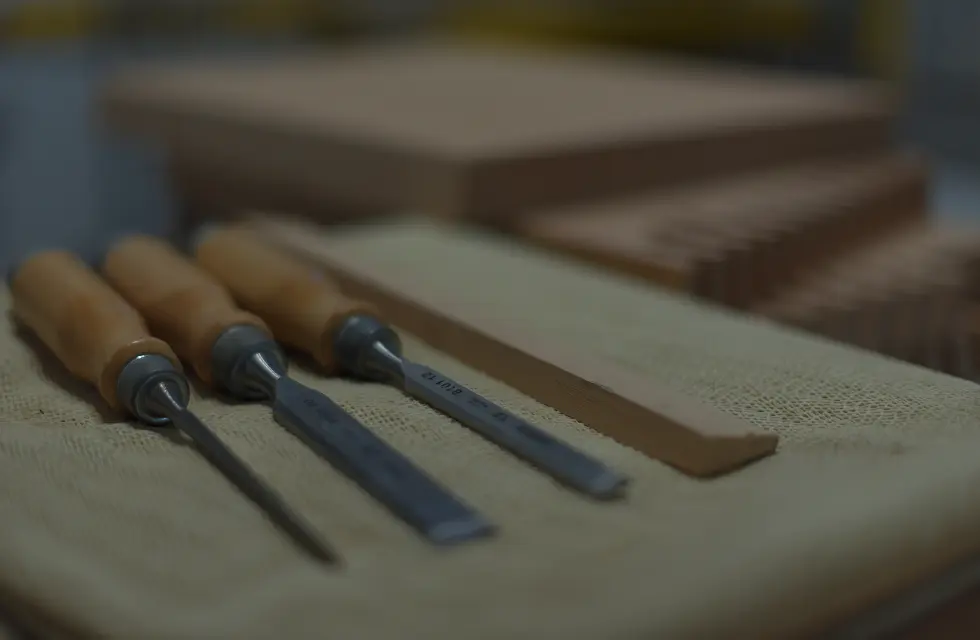
The observation reveals something fundamental about the founder of Studio Fritz. At a time when speed, convenience and disposability shape much of modern life, Lucas has devoted himself to one of the slowest pursuits imaginable: making furniture by hand.
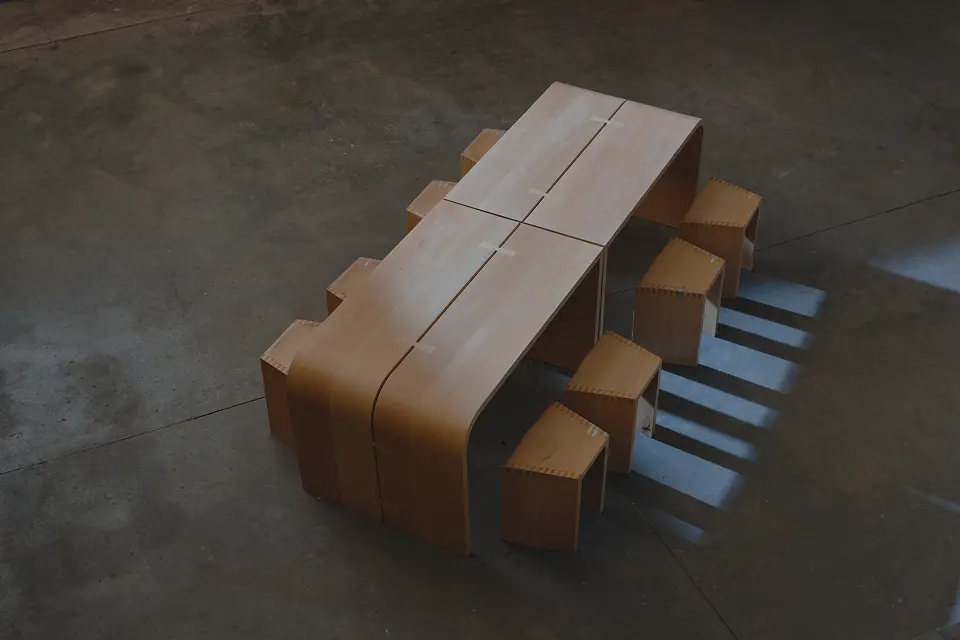
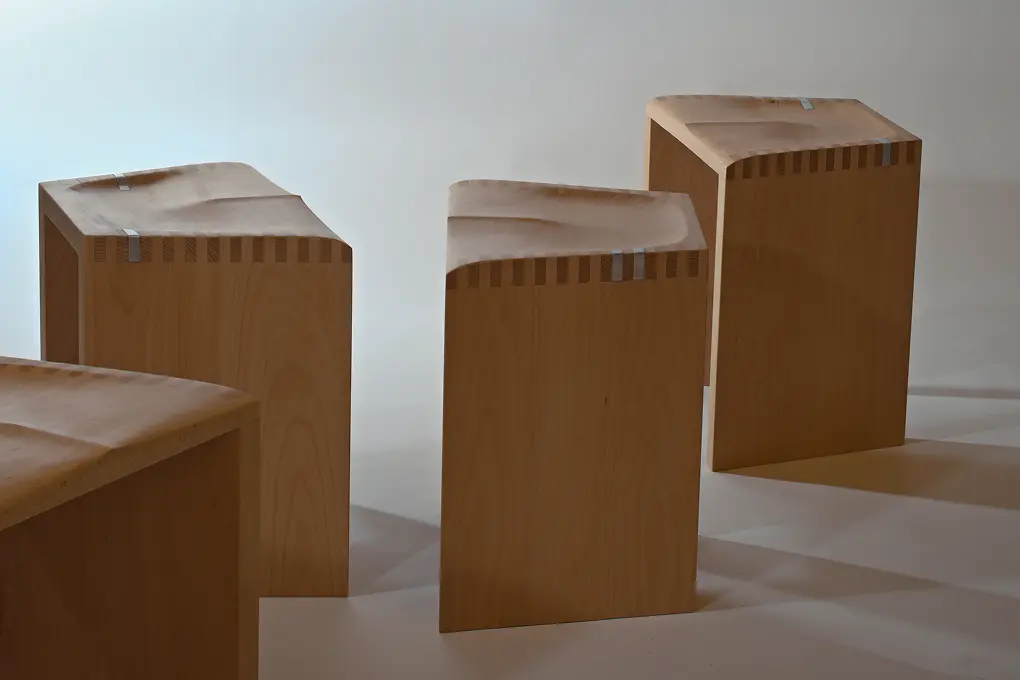
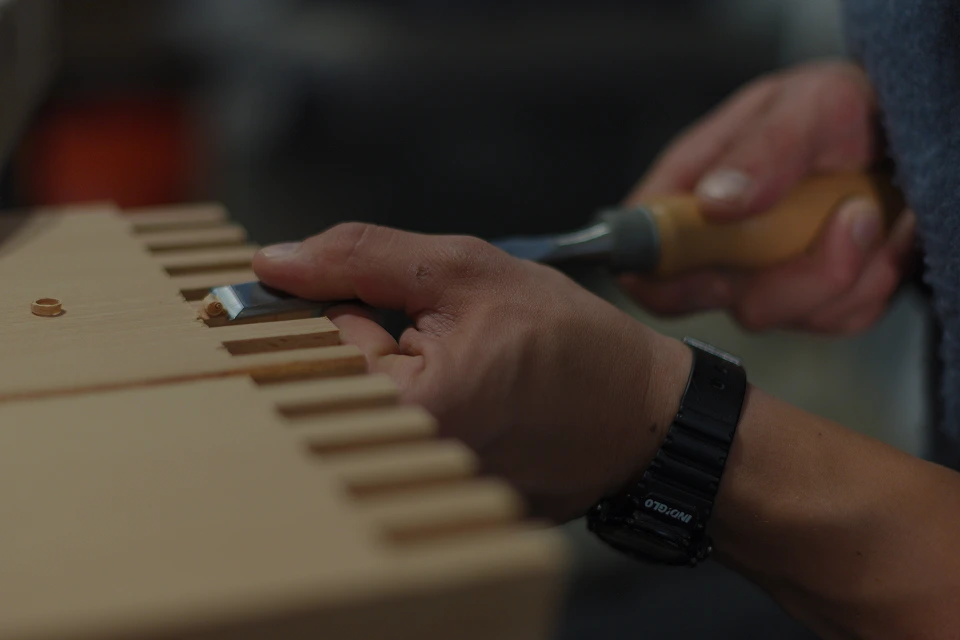
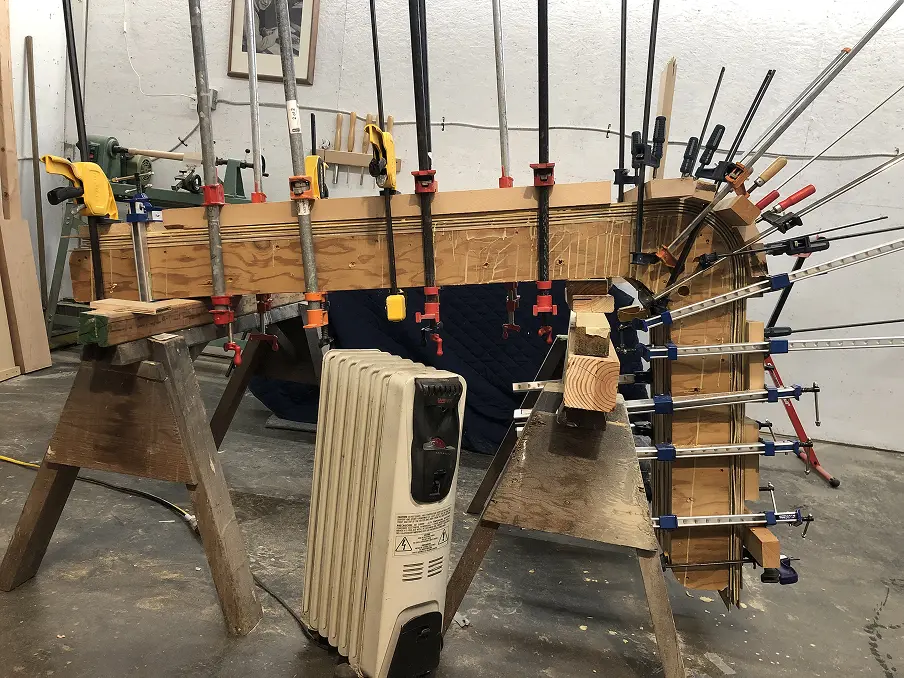
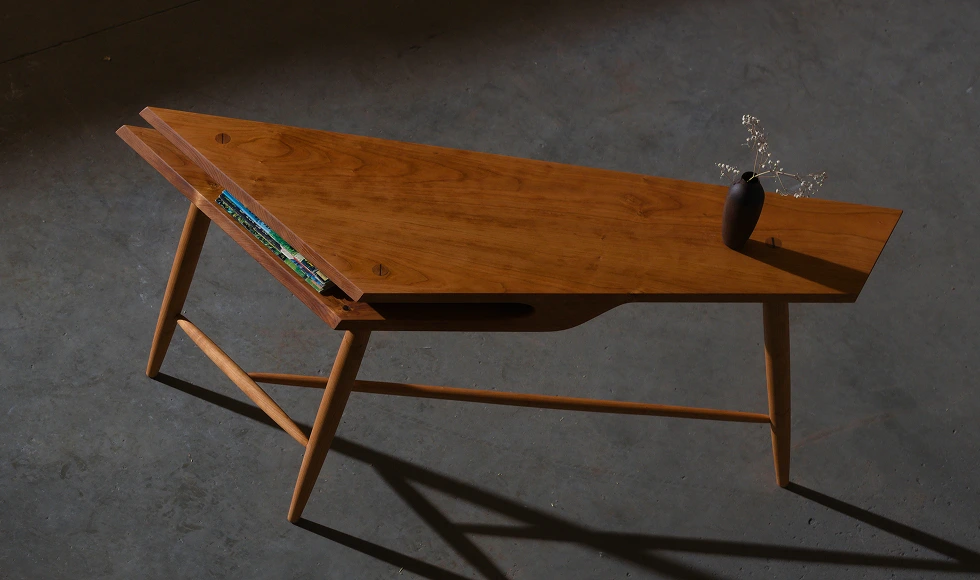
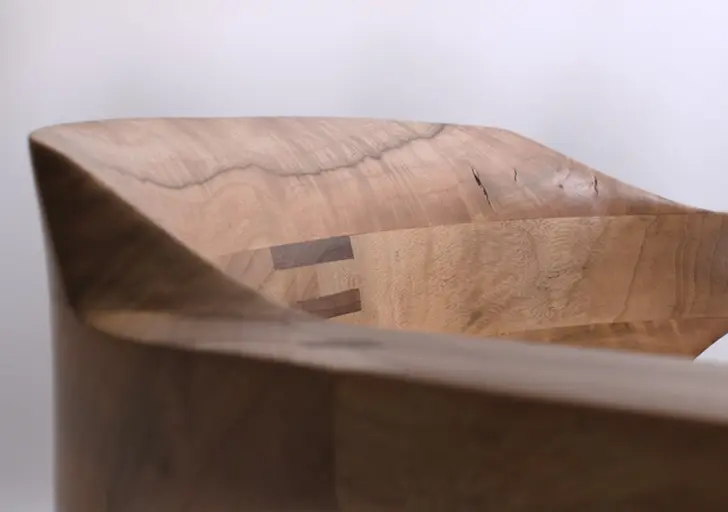
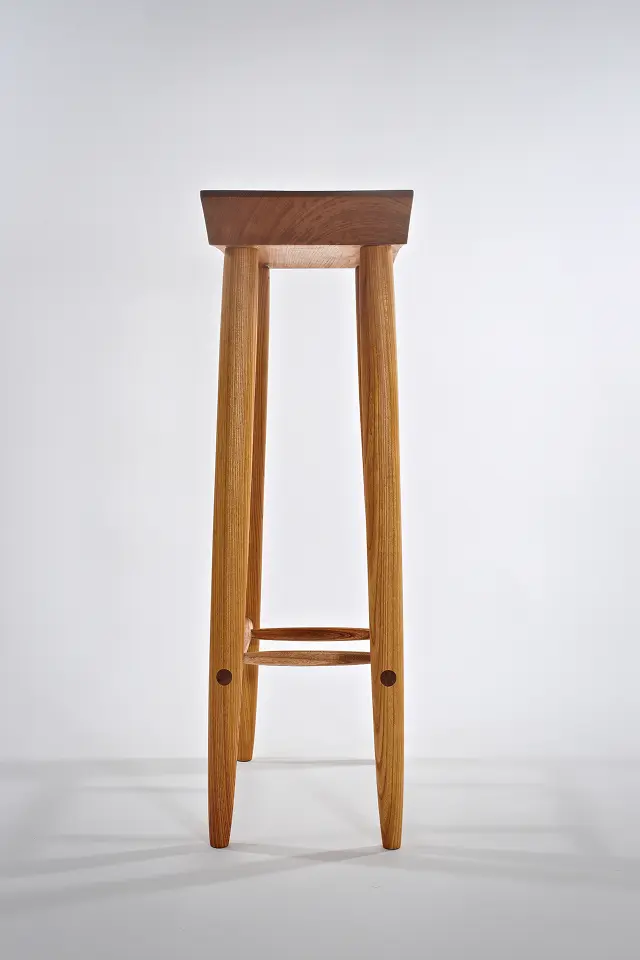
Not furniture in the contemporary sense: flat-packed, veneered, assembled with an Allen key and forgotten a few years later. His pieces are built from solid wood using traditional Japanese and Danish joinery techniques that require no screws at all. These joints remain visible and the construction reveals itself, nothing is hidden. When asked how he would describe his work, Lucas settled on a single word: "honest."
Growing Up Around Design
Lucas grew up in Seattle in a family where architecture and design were part of everyday conversation. From his great-great grandfather Fritz who was an Austrian architect and inspiration behind the name Studio Fritz to his great-grandmother, who was a metal sculptor, and his father is an architect. Discussions about space, form and aesthetics were commonplace.
"We've always talked about how a space works and what makes it work and what doesn't make it work," Lucas said. Yet he never followed the family path into architecture. "Sometimes I think maybe I should have gone to school for architecture," he admitted. "But more and more, I'm thankful for where I am now."
Furniture offered something architecture often could not: direct authorship. An idea could move from imagination to sketch to finished object without navigating layers of approvals, regulations and constraints. The process itself remains remarkably intuitive. Most projects begin as ideas in his head before moving to paper. "I'll usually ideate on it first," Lukas said. "Then sketch it." And he rarely builds prototypes, "I just go for it."
Listening to the Material
That confidence comes from years spent understanding wood, not simply as a material, but as a living partner in the process. Lucas speaks about lumber the way a naturalist speaks about a landscape. When selecting boards, he studies grain direction, knots, checks and irregularities. The imperfections become points of departure rather than obstacles.
"They might be telling you, 'Hey, I could go here, or maybe over here,’” said Lukas. Many people see wood as rigid and unforgiving, but he sees something entirely different. "You can bend it. You can dent it. You can create impressions within it. It has really amazing structural strength."
One of the most important lessons of his career came not from mastering a tool but from understanding how wood changes over time. "A lot of times people look at furniture and say, 'Oh my gosh, that joint has gone together perfectly,'" Lukas said. "But really what you're looking at is the wood has compressed perfectly around the other piece."
For Lucas, craftsmanship is not about forcing perfection onto a material. It is about understanding how the material wants to behave.
Designing for a Public Space
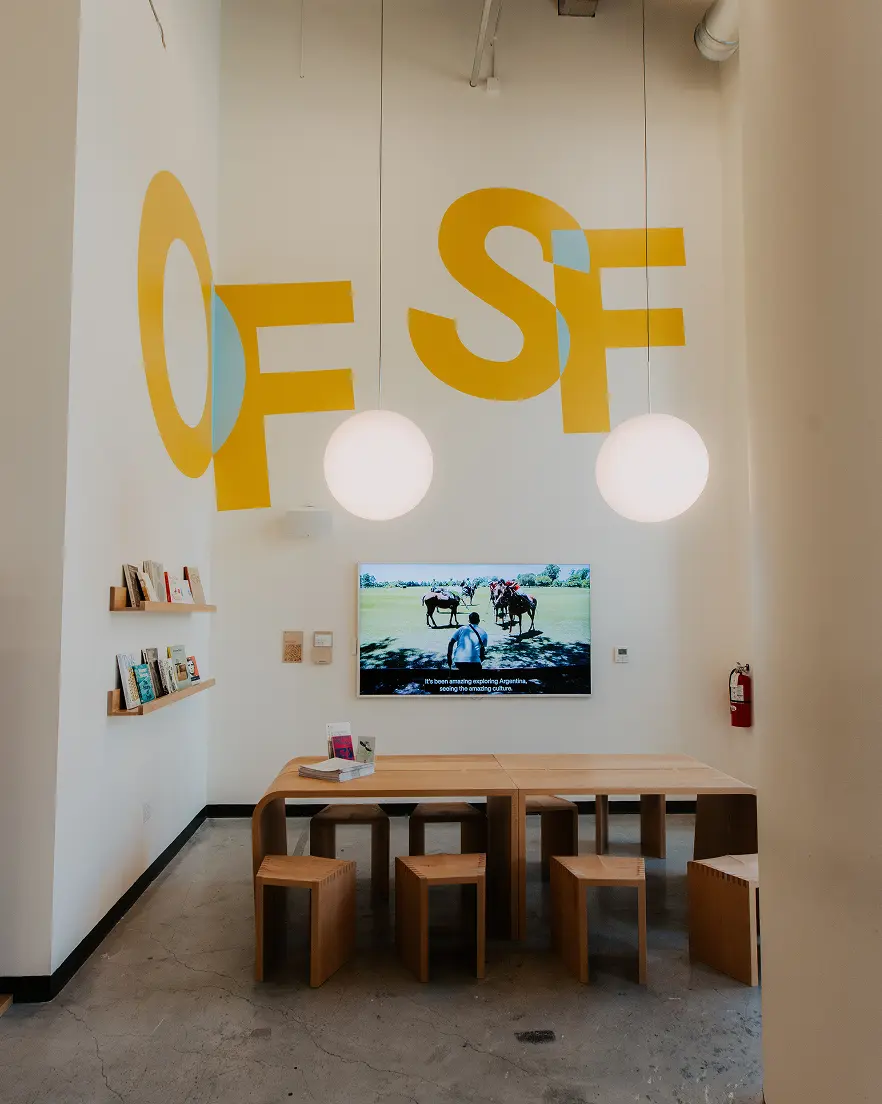
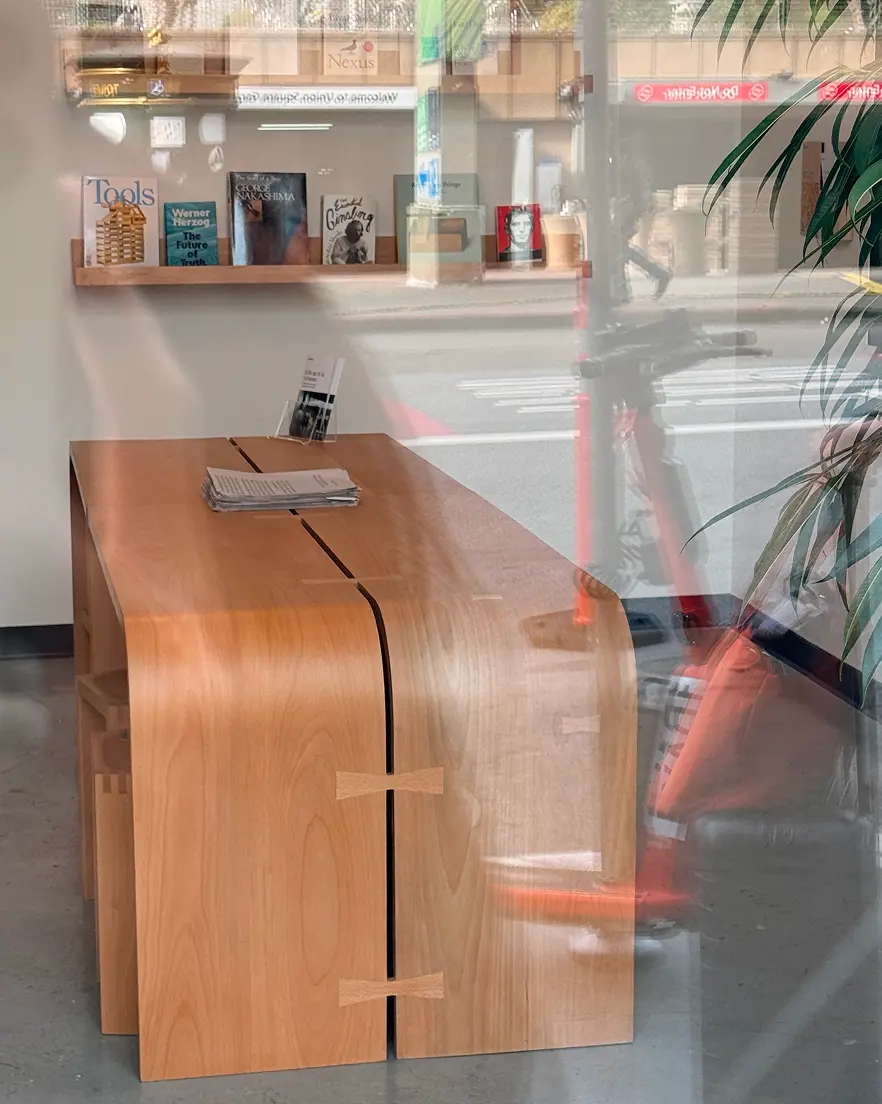
That philosophy recently found an unusual expression in San Francisco, when Studio Fritz was commissioned to create custom furniture for World's flagship location. Lucas was drawn to the challenge of designing for a company operating at the intersection of advanced technology and humanity.
"You have such a high-tech product," he said about The Orb, "but also this super organic human element." Working alongside the design team, he saw an opportunity to introduce warmth, tactility and permanence into a space centered on the future.
What stayed with him most, however, was not seeing the finished furniture installed. It was watching people use it. Much of Lucas's work ends up in private homes. The flagship offered something different: a public space where thousands of visitors could interact with handcrafted furniture. "I was most excited to get to see the community get to interact with the work," he said.
The experience reinforced a question that increasingly interests him: how thoughtful design can remain both meaningful and accessible in spaces shared by everyone.
An Antidote to Entropy
At one point in our conversation, I asked Lucas whether his work was, consciously or unconsciously, a response to the disposable culture surrounding us—cheap furniture, fast production and objects designed to be replaced rather than repaired.
He paused before answering. "I think that is accurate." Then he offered a phrase that lingered long after our conversation ended. "It's kind of an antidote to the entropy of the world."
Entropy is not a word most furniture makers use. In science, it describes the tendency toward disorder. But it perfectly captures what Lucas is trying to resist. In a world optimized for convenience and speed, he spends weeks fitting two pieces of wood together, creating furniture meant to outlive trends and, perhaps, even its first owner. His work is not simply about making beautiful objects, it is about slowing down long enough to make something worth keeping.
That philosophy extends beyond his craft. When I asked what question occupies his mind most these days, Lucas didn't talk about design or woodworking. Instead, he reflected on the future of human creativity itself: "How will human ingenuity and human creativity fit into our world in the future?"
Rather than fearing technological change, Lucas sees it as part of a familiar pattern. Every major technological shift has inspired new artistic movements, new forms of craftsmanship and new ways for people to express themselves. The tools evolve, he argues, but the human impulse to create remains. "It is what makes us who we are."