French composer Jack Bartman is (re)discovering why certain sounds make us feel something before we understand why.
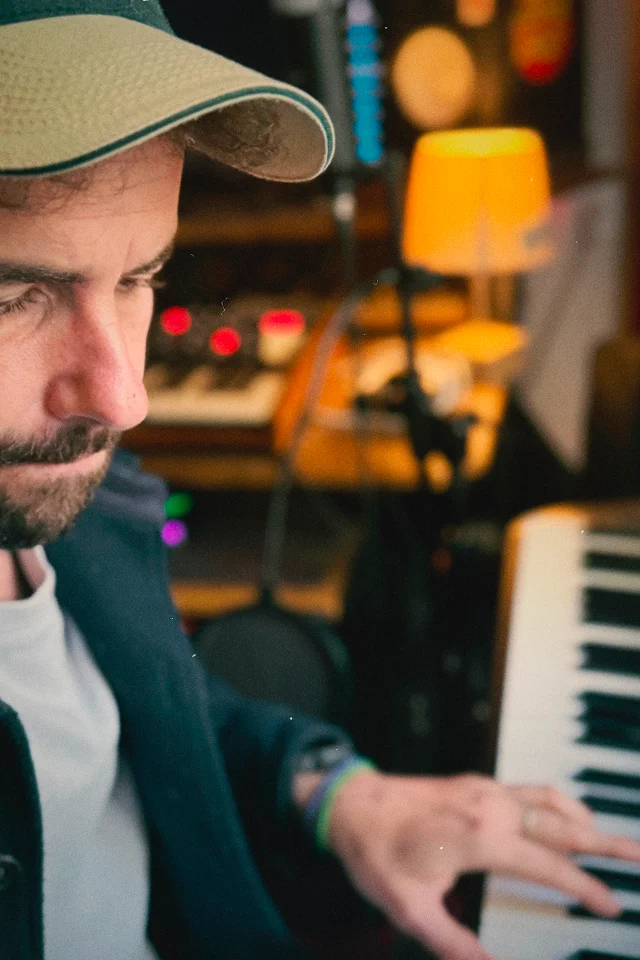
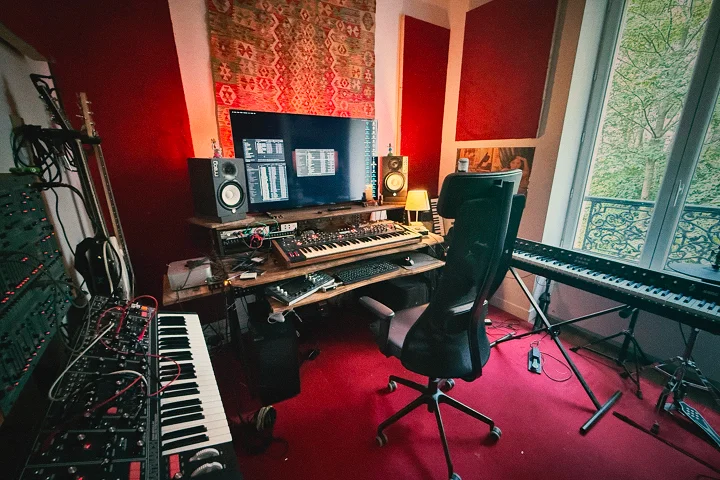






Jack's first memory is listening to music. He was five years old, sitting on a chair in front of his parents' hi-fi stereo, headphones slightly too large for his head, pulling random CDs from the family collection: film scores, classical recordings and whatever happened to be nearby. "There were five seconds... ten seconds... twenty seconds," said Jack. "I would play them again and again because I wanted to understand why they gave me goosebumps."
He still doesn't know the answer, and more than thirty years later, he is still asking the same question. The only difference is that today he writes those moments himself.
Learning to Listen
Jack didn't grow up studying piano or attending conservatories; his education came through curiosity. At sixteen, a friend introduced him to a pair of Technics turntables. Together they began DJing clubs before they were old enough to legally enter them.
Soon came music software, synthesizers and countless hours experimenting with sound. When he finally committed himself to music after high school, he immersed himself completely. "I was doing music eight hours a day," Jack recalled. "Just trying things." Commercial work followed, then documentaries and, finally, film scores.
Throughout his career, Jack has resisted describing himself simply as a composer. Instead, he talks about frequencies: "bending and harmonizing frequencies until you feel something."
Ask Jack why music matters and the conversation quickly becomes philosophical. He believes sound belongs to an invisible world that exists alongside the physical one. "We live in a world we feel with our five senses," he said. "But I think there is another dimension that we cannot see."
Music, he argues, is humanity's oldest language. Watching his parents dance as a child taught him that music and movement are inseparable. "When you multiply gestures together," he said, "they become emotion."
Composing for World Flagship
Those instincts were tested in an unfamiliar way when Jack was asked to create the original soundscape for World's flagship location in San Francisco. Unlike film, where music follows a beginning, middle and end, the flagship had no fixed narrative.
People would arrive at different moments to the location, some would stay for minutes and employees would spend entire days inside the space. "I wasn't composing for visitors first," Jack said. "I was composing for the people working there." That thought changed everything. The music needed energy without becoming repetitive, and it needed movement without demanding attention. "It was a huge challenge."
Working remotely from France, Jack collaborated closely with World, watching videos filmed inside the flagship to understand how sound behaved within the architecture. Too much bass could linger inside the vast room and certain frequencies needed to disappear, while others became more pronounced.
One moment gave him confidence he was on the right track. A World employee, who also happened to be a dancer, tried to Shazam the music to find out what he was listening to. For Jack, the fact that his music moved someone mattered more than any formal review. "They felt something,” he said.
Organic by Design
Before writing a single note, Jack established three principles for the project:
Human
Organic
Modern
The resulting score blends piano, orchestral textures, voices, percussion and analog synthesizers into a soundscape that feels contemporary without becoming aggressively electronic. He recorded instruments himself, layering unexpected sounds and constantly experimenting. Whenever he found himself overthinking the brief, he stopped. "You have to start playing again,” Jack shared.
Play, he believes, is where discovery lives: "it's a way to be as imperfect as I can."
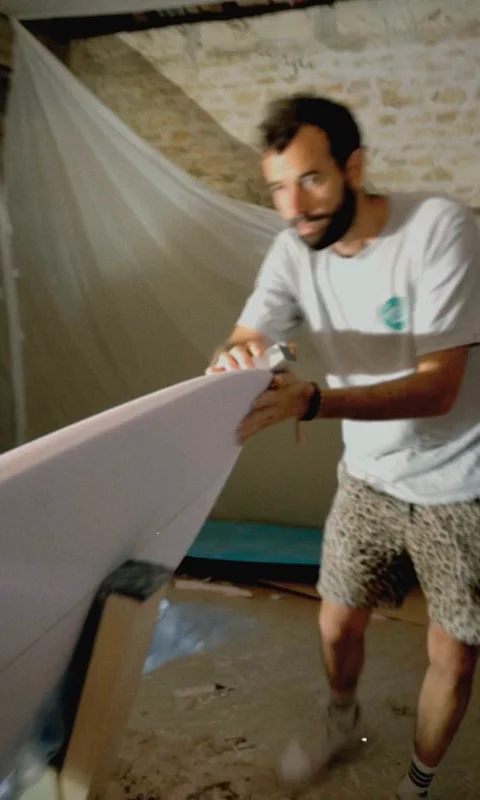
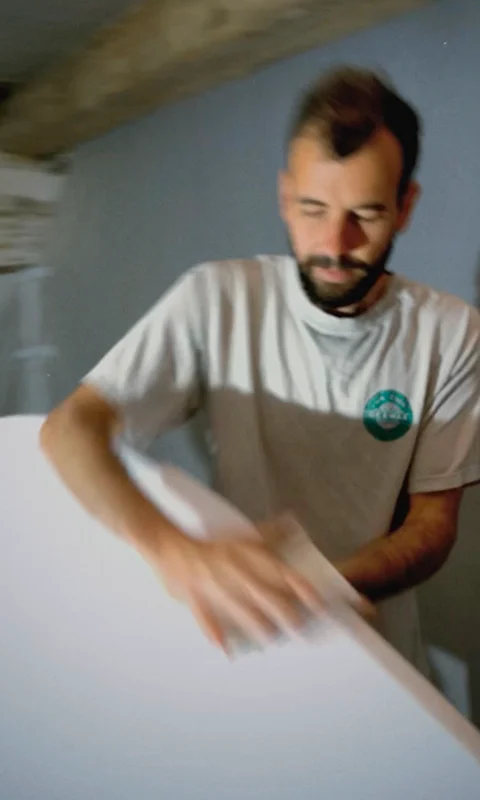
Away from the studio, Jack has developed a passion for shaping surfboards by hand, another practice that rewards patience, experimentation and learning through the material itself.
Jack speaks about craftsmanship differently than most artists: "it's a dialogue with yourself.” Technology has become part of that dialogue, but it has also complicated it. Artificial intelligence can now generate convincing music in seconds. Software offers shortcuts that once required years of practice. Jack isn't hostile toward those tools, he simply questions what disappears when exploration goes away.
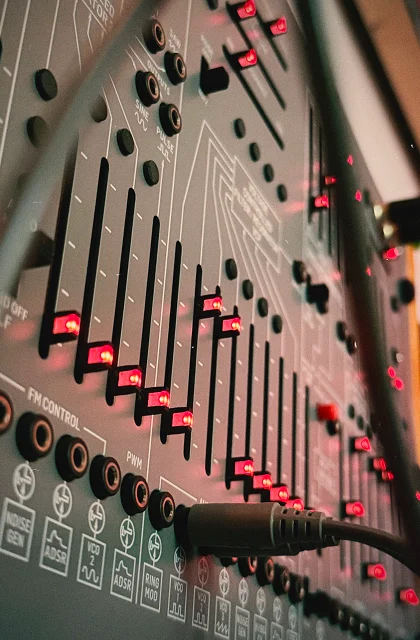
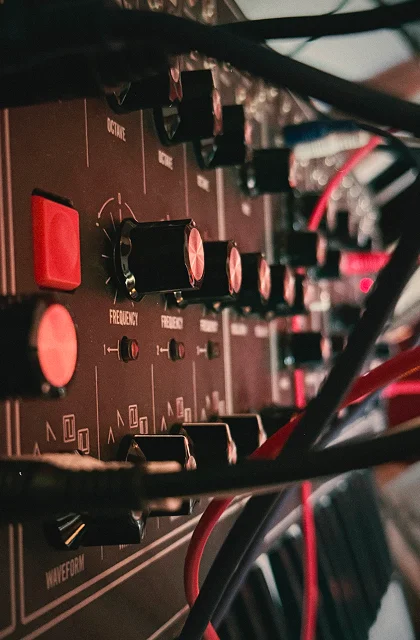
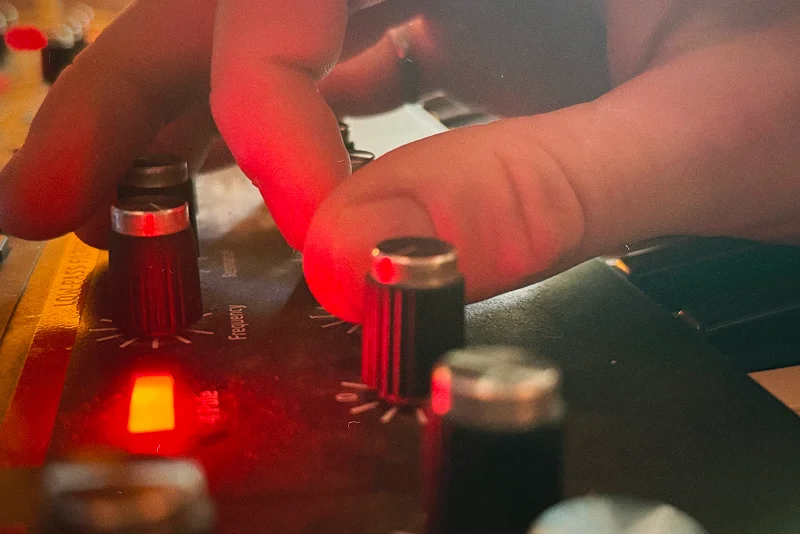
Recently, he has been working increasingly with analog synthesizers that cannot store presets. Every session begins from the previous setup, encouraging exploration instead of repetition. It has become one of his ways of embracing imperfection and keeping the creative process grounded in discovery.
When I asked Jack what he hoped visitors would remember after hearing his music inside World's flagship. His answer surprised me: "I hope they don't remember the music." If visitors leave remembering how the space made them feel rather than consciously recalling the soundtrack, then “the composition has done its job.”