

Meta의 Muse, OpenAI의 dots, Instinct와 같은 AI 에이전트는 개인 비서의 기능을 일반 사용자도 활용할 수 있게 해줍니다. 이러한 에이전트가 널리 보급되면서 웹사이트와 서비스에서는 ‘어떤 에이전트가 요청을 보내고 있는가’와 ‘그 요청이 실제 사람에게서 비롯된 것인가’라는 두 가지 질문에 답해야 할 필요성이 커지게 될 것입니다. World ID는 개인정보를 공개하지 않고도 에이전트가 이 두 번째 질문에 답할 수 있도록 해줍니다.
Muse란?
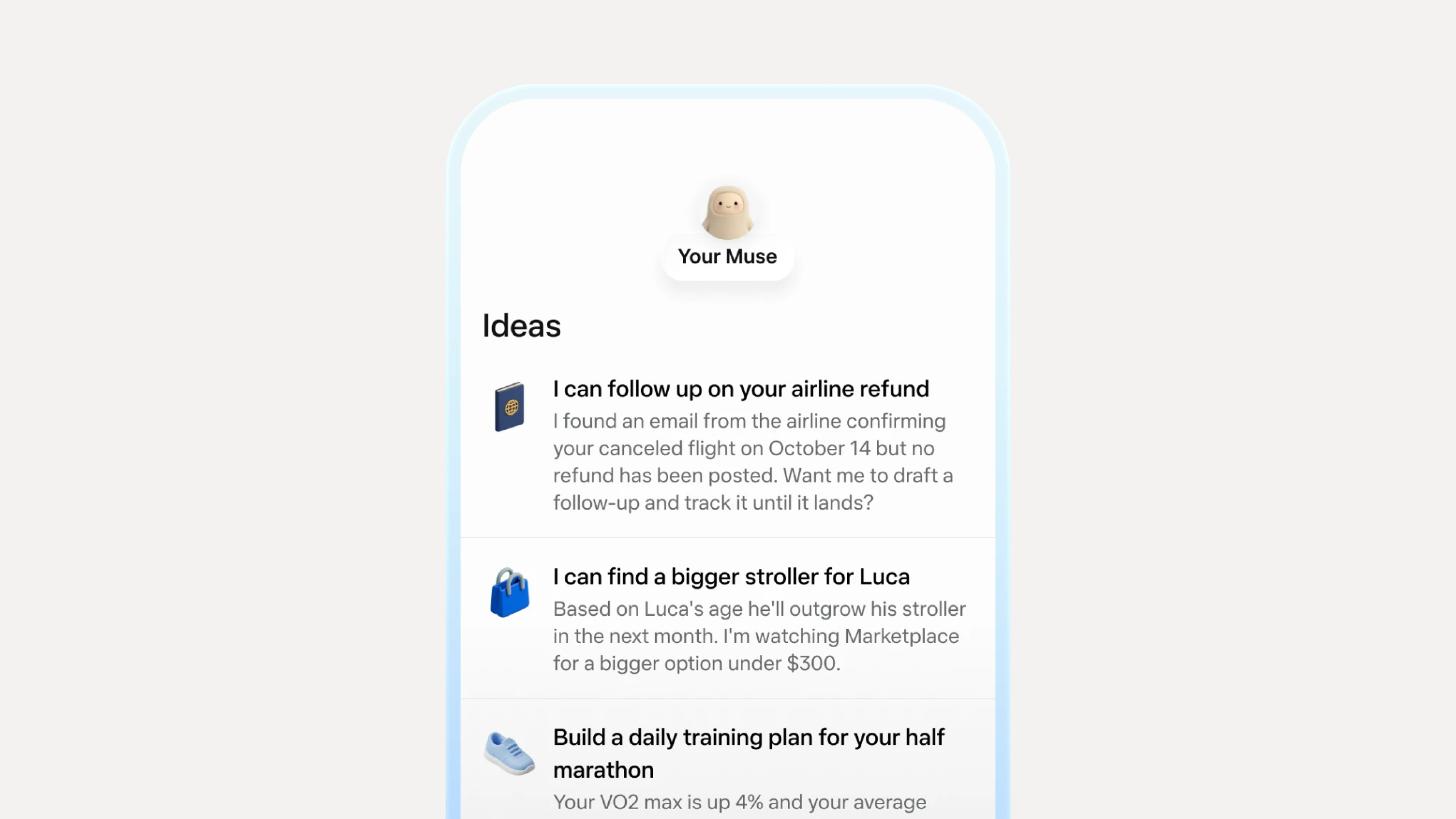
개인을 대신해 행동하는 개인용 AI 에이전트가 점차 대중화되고 있습니다. 지난달 Meta는 이메일 전송, 여행 예약, 양식 작성, 구매 등의 작업을 수행하는 에이전트인 Muse를 출시했습니다.
dots란?
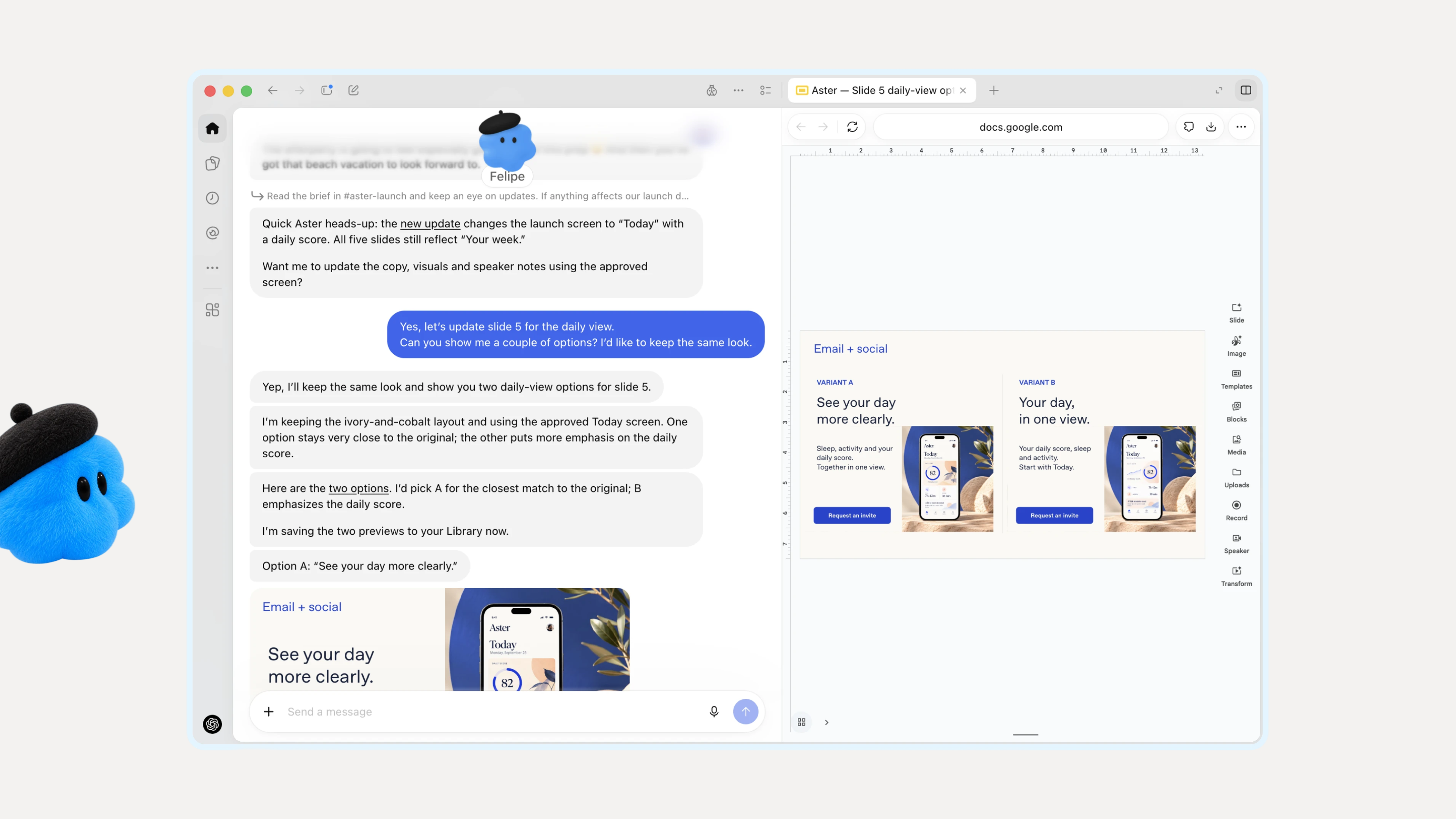
Muse가 출시된 지 3주 후, OpenAI는 클라우드 기반 컴퓨터에서 백그라운드로 상시 작동하는 AI 에이전트인 dots를 출시했습니다. dots는 4,000개 이상의 앱에 연결할 수 있습니다. OpenAI는 “여러 dots가 팀을 이루어 사용자를 대신해 함께 작업하는” 미래를 그리고 있습니다.
Instinct란?
Instinct는 초대받은 사용자만 이용할 수 있는 개인 비서 서비스로 빠르게 이용자가 늘고 있습니다. 별도의 앱을 설치할 필요 없이 휴대폰이나 컴퓨터에서 문자 메시지를 보내 이용할 수 있습니다.
Muse, dots, Instinct에 인간 인증이 중요한 이유
인간 인증은 신원을 공개하지 않고도 자신이 실제 고유한 사람임을 인증할 수 있는 방법입니다. 사용자는 사람을 위해 설계된 웹사이트와 앱에서 개인 에이전트가 작업을 수행할 때 자신의 인간 인증을 해당 에이전트에 위임할 수 있습니다. 이러한 새로운 패러다임은 이미 마찰을 일으키고 있습니다. Muse 출시 직후 Amazon은 Muse가 웹사이트에서 쇼핑하는 것을 차단했습니다. 여러 이유 중 하나는 Amazon의 규정에서 요구하는 것과 달리 Muse가 웹사이트를 탐색할 때 자신이 AI 에이전트라는 사실을 밝히지 않았다는 것이었습니다.
에이전트가 더욱 보편화되면 웹사이트와 서비스는 자신이 어떤 에이전트와 상호작용하고 있는지 파악해야 합니다. 이를 위해서는 출처를 확인할 수 있어야 합니다. 우선 에이전트는 어디에서 왔는지, 가능하다면 누가 만들었는지를 밝혀야 합니다. 그다음에는 해당 에이전트의 배후에 실제 사람이 있는지를 확인해야 하며, 바로 이 지점에서 인간 인증이 필요합니다.
인간 인증이 중요한 이유는 간단합니다. 지구상의 사람 수는 약 80억 명으로 한정되어 있지만 AI 에이전트의 수에는 제한이 없습니다. 따라서 이러한 에이전트의 배후에 있는 사람의 수를 파악하는 것은 요청 횟수 제한(에이전트가 한 사람을 대신해 보낼 수 있는 요청 수), 판매(제품에 관심이 있는 사람의 수), 할당(한 사람이 구매할 수 있는 제품 수) 등에 중요합니다.
World ID가 제공하는 솔루션
World ID를 사용하면 인간 인증을 비롯해 자신에 관한 다양한 증명을 제3자에게 제시할 수 있습니다. 또한 사용자는 자신의 증명을 에이전트에 위임하여 실제 사람의 지원을 받는 인증된 AI 에이전트를 만들 수 있습니다.
인간 인증은 World ID 앱에 저장되며 영지식 증명을 사용해 프라이버시를 보호합니다. 증명을 에이전트에 위임하면 웹사이트와 서비스는 해당 에이전트가 실제 사람을 대신해 행동하고 있음을 확인하고 그에 따라 이용 한도를 설정할 수 있습니다. 인증된 에이전트는 일상적인 상호작용의 신뢰와 보안을 높이는 데 도움이 됩니다.
인증된 에이전트의 특징은 다음과 같습니다.
- 프라이빗: 사용자 또는 사용자의 에이전트가 증명을 제시할 때 개인정보가 공유되지 않습니다.
- 고유함: 증명은 한 사람에게 귀속되며 각 사람은 한 명으로만 집계됩니다. 한 사람이 수천 개의 에이전트를 제어하더라도 한 명의 사람으로만 집계됩니다.
- 중립성: World ID는 개방형 프로토콜을 기반으로 하므로 어떤 주체가 만든 에이전트든, 어떤 인증된 실제 사람이 사용하든, 어떤 플랫폼에서든 활용할 수 있습니다.
실제 환경에서 활용되는 인증된 에이전트
World는 인간 인증이 왜 중요한지를 보여주는 다양한 활용 사례를 개발하고 있습니다. 그중 하나는 한정 수량으로 출시되는 제품의 판매입니다. 이러한 경우 각 구매는 고유한 한 사람을 대신하는 에이전트를 통해 이루어져야 합니다. 즉, 한 사람당 하나의 에이전트와 하나의 구매 할당량이 적용됩니다. 또 다른 활용 사례는 Human in the Loop 방식입니다. 이 방식에서는 에이전트가 작업을 완료하기 전에 사용자에게 해당 작업에 대한 승인을 요청합니다. 예를 들어 AI 에이전트가 고액의 구매를 진행하거나 계약을 체결하려는 경우, 사용자가 해당 작업을 직접 승인했다는 사실을 확인할 수 있습니다.
에이전트용 World ID로 구축하기
여러 조직에서 이미 이러한 도구를 실제로 활용하고 있습니다. Okta는 World ID를 사용하여 AI 에이전트의 배후에 실제 사람이 있는지 확인할 수 있는 서비스인 Human Principal의 얼리 액세스 베타 버전을 제공하고 있습니다. Vercel은 World의 Human in the Loop 기능을 Workflow SDK에 통합하고 있습니다. 이를 통해 개발자는 워크플로의 특정 단계를 실제 사람이 승인했는지 확인하는 World ID 검사를 추가할 수 있습니다. Exa는 인증된 실제 사용자에게 매월 100회의 무료 API 요청을 제공했으며, 이 요청 한도는 해당 사용자가 지원하는 모든 에이전트에 걸쳐 공유됩니다. Browserbase는 World ID를 활용하여 실제 사람의 인증을 받은 에이전트가 웹사이트를 탐색할 때 차단되는 경우를 줄일 계획입니다. 이러한 활용 사례는 Lift Off에서 시연되었습니다.
향후 계획
에이전트가 급증하고 초지능 기술이 발전함에 따라 더 많은 웹사이트와 서비스에서 같은 질문을 하게 될 것입니다. “이 요청의 배후에 실제 사람이 있는가?” 이 질문에 답할 수 없는 에이전트는 차단될 가능성이 높으며, 이는 해당 에이전트에 작업을 맡긴 사용자에게 불편과 불만을 초래할 수 있습니다. 인간 인증은 이 질문에 대한 답을 제공하며, 현재 베타 버전으로 제공되는 World의 AgentKit은 이러한 인증 기능을 에이전트에 구축할 수 있는 도구를 제공합니다.
World ID에 대해 더 알아보고 싶다면 world.org/world-id를, World와 함께 구축을 시작하고 싶다면 docs.world.org를 방문하세요.
실제 사람들의 네트워크에 함께하세요.
World ID App 받기관련 글
Announcements ·
Introducing World ID for banking and finance: AI-safe experiences for enterprises and their customers
Announcements ·
Product ·
peaqOS brings World ID to physical AI and the machine economy

Announcements ·
Putting human fans first in the ticket queue: a global look at the ticketing bot challenge

Announcements ·