








A World é o novo padrão de confiança online.
O World ID  prova que você é humano, e não um robô ou deepfake. Coloca os humanos em primeiro lugar na era da IA, de eventos ao vivo a jogos, redes sociais, relacionamentos e muito mais.
prova que você é humano, e não um robô ou deepfake. Coloca os humanos em primeiro lugar na era da IA, de eventos ao vivo a jogos, redes sociais, relacionamentos e muito mais.Junte-se aos humanos verificados com o World ID.
Soluções da World
A World prova de forma segura e anônima que cada usuário é um humano único e real online.
Atualizações World
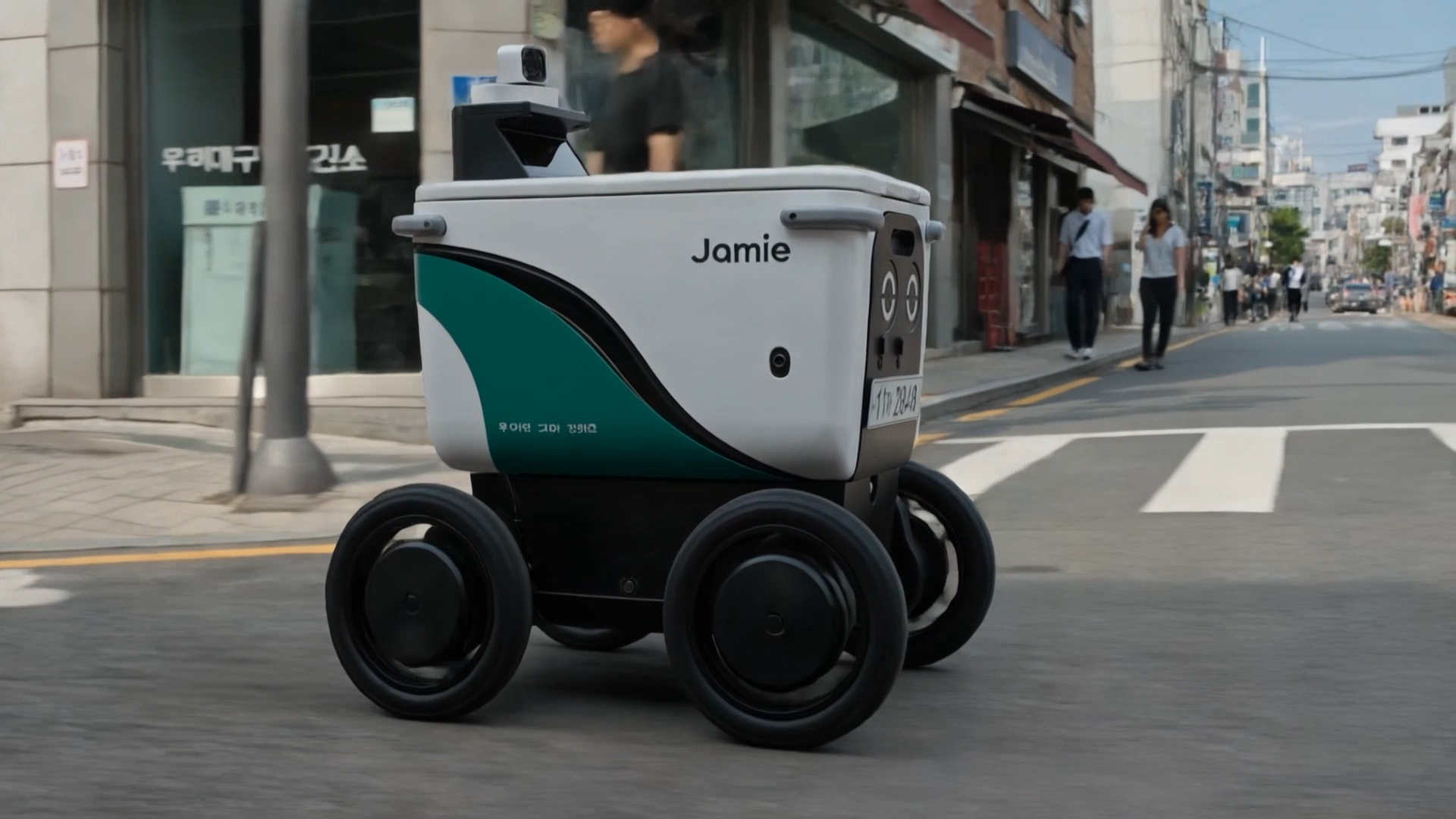
peaqOS brings World ID to physical AI and the machine economy
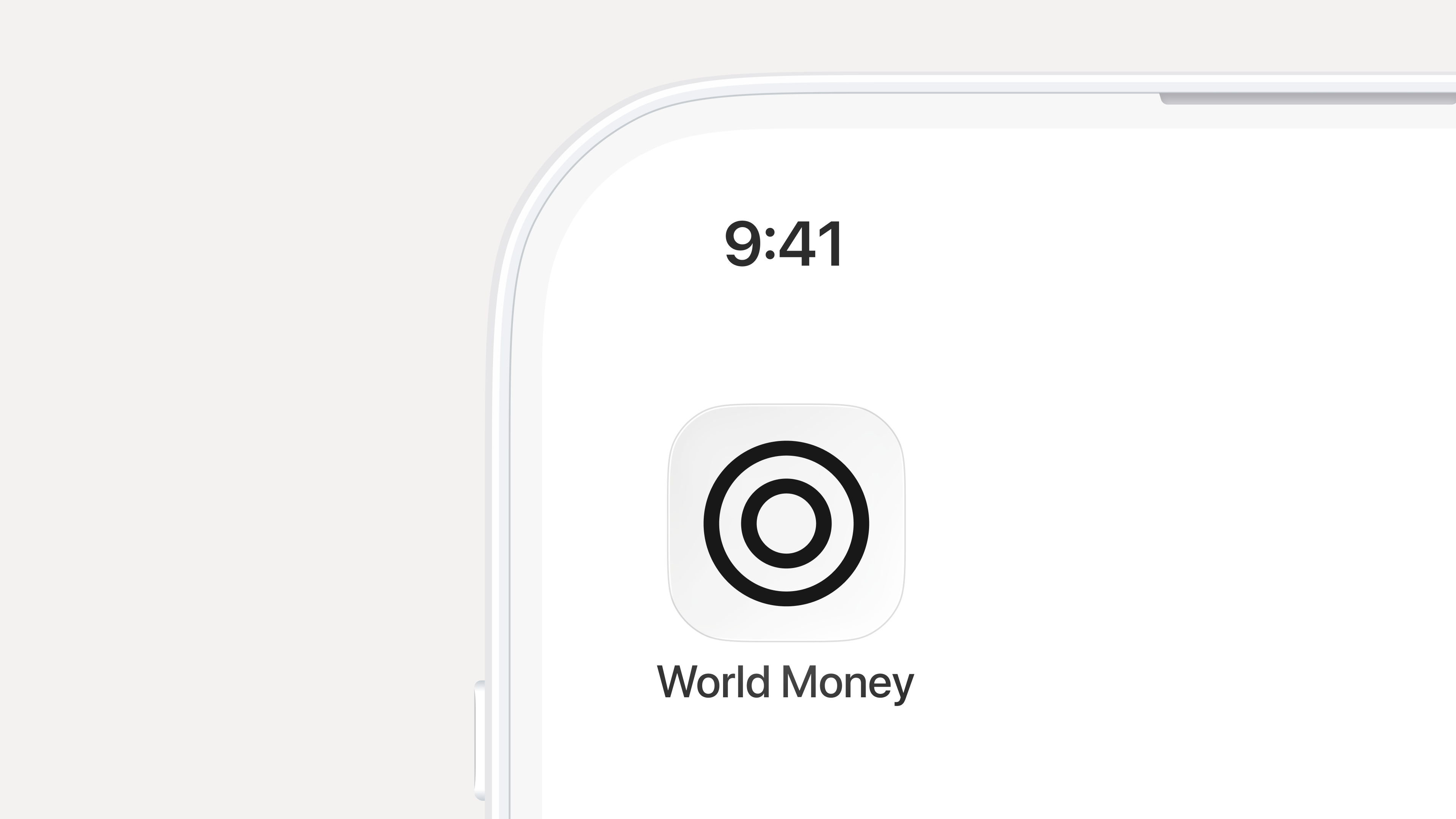
Apresentando o World Money: um super app financeiro para humanos
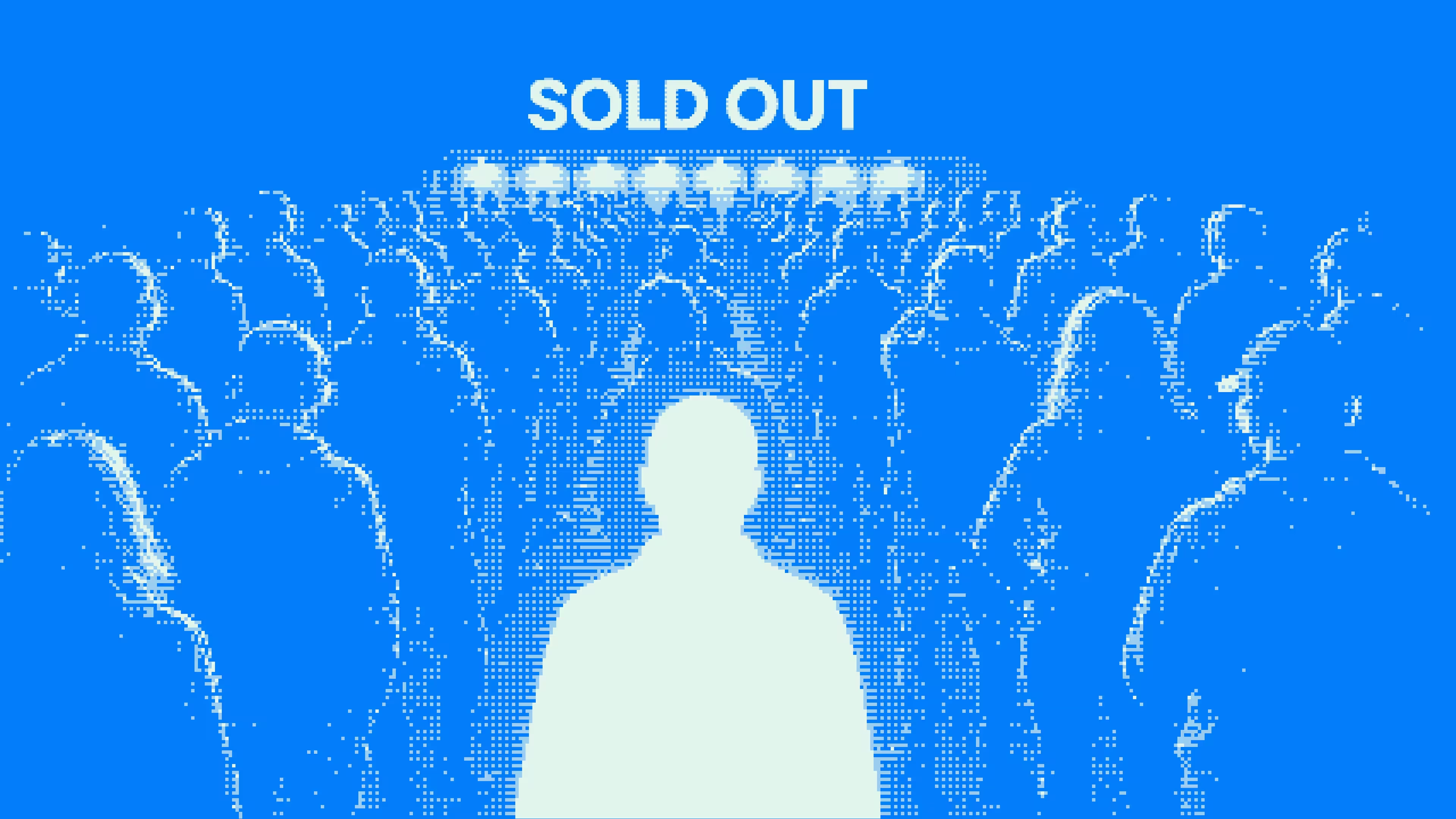
Putting human fans first in the ticket queue: a global look at the ticketing bot challenge
Histórias da World
Humano e Você Sabe Disso | World
World | El otro Leo Messi
Místico vs. Os Golpistas
Humanos e IA. É um novo mundo louco.
Perguntas Frequentes
A rede de humanos reais. Prova de Humanidade universal, finanças e conexão para todo ser humano.
Diferencie entre os humanos e a IA online. Tenha acesso universalmente inclusivo a finanças. E conecte-se com outros humanos reais. É grátis para participar e foi projetada para ser de todos.
A tecnologia está avançando rapidamente e os seus benefícios precisam alcançar e beneficiar a todos.
A World foi concebida para que todo ser humano se beneficie na era da IA.