
AI agent กำลังกลายมาเป็นส่วนหนึ่งของชีวิตประจำวันบนอินเทอร์เน็ตอย่างรวดเร็ว ตั้งแต่การจองโต๊ะร้านอาหารไปจนถึงการเปรียบเทียบราคาสินค้าจากร้านค้าต่าง ๆ Autonomous agent หรือ ตัวแทนอัตโนมัติสามารถรับจบงานที่เคยต้องมีมนุษย์นั่งอยู่หน้าแป้นพิมพ์ McKinsey คาดการณ์ว่าเพียงแค่ Agentic Commerce อย่างเดียว ก็อาจมีมูลค่าสูงถึง 3 ถึง 5 ล้านล้านดอลลาร์ทั่วโลกภายในปี 2030 ในขณะที่ Bain เองก็ประเมินว่า AI agent อาจมีสัดส่วนสูงถึง 25% ของตลาดอีคอมเมิร์ซทั้งหมดในสหรัฐอเมริกาภายในกรอบเวลาเดียวกัน
โอกาสนั้นมหาศาล แต่ก็มาพร้อมความท้าทายใหญ่หลวงเช่นกัน: ในขณะที่ AI agent กลายมาเป็นผู้ขับเคลื่อนทางเศรษฐกิจบนโลกออนไลน์ คุณจะปลูกฝังความเชื่อมั่นเข้าไปในระบบและมอบอำนาจในการควบคุมการกระทำของ Agent เหล่านี้ได้อย่างไร?
World กำลังร่วมมือกับ Coinbase เพื่อรับมือกับความท้าทายนี้ ด้วยการเปิดตัว AgentKit รุ่นเบต้า เครื่องมือใหม่สำหรับเว็บยุค Agentic นั่นคือ: หลักฐานความเป็นมนุษย์ตัวจริงที่ไม่ซ้ำใครแบบสามารถตั้งโปรแกรมได้
AgentKit เป็นชุดเครื่องมือสำหรับนักพัฒนาตัวแรกที่เปิดโอกาสให้มนุษย์ที่ผ่านการยืนยันแล้วสามารถมอบ World ID ของตนให้กับ AI Agent ได้เป็นครั้งแรก นักพัฒนาสามารถสร้าง Agent ที่มีหลักฐานเข้ารหัสยืนยันว่ามีมนุษย์ที่ไม่ซ้ำใครอยู่เบื้องหลัง ซึ่งเราเรียกว่า "Agent ของมนุษย์บุคคลจริง" (Human-backed agent) หลักฐานความเป็นมนุษย์ที่ไม่ซ้ำใครนี้เองที่จะช่วยเสริมความเชื่อมั่นในการติดต่อพูดคุยและการทำธุรกรรมต่าง ๆ สามารถทดลองตัวอย่าง AgentKit เบต้า เวอร์ชันสำหรับนักพัฒนาได้ที่ https://docs.world.org/agents/agent-kit
Agent ของมนุษย์บุคคลจริงทุกรายรับสิทธิ์สร้างรูปภาพฟรี 3 รูป
— Takis Kakalis (@takiskakalis) 17 มีนาคม 2026
เปลี่ยนโค้ด ประวัติ และสิ่งที่คุณสนใจให้เป็นรูปภาพ
ทำได้แล้ววันนี้ด้วย World ID ผ่าน AgentKit เท่านั้น @worldnetwork https://t.co/dvgYOdB8Qn pic.twitter.com/LUYMMkTHkY
เมื่อเว็บไซต์ไม่สามารถแยก Agent ว่าใครเป็นใครได้อีกแล้ว
ปัจจุบัน เว็บไซต์ส่วนใหญ่ปฏิบัติกับทราฟฟิกอัตโนมัติทั้งหมดด้วยวิธีเดียวกัน นั่นคือ: บล็อกทิ้ง ซึ่งสมเหตุสมผลในยุคที่บอตส่วนมากไม่ได้มาดี เช่น การกวาดข้อมูล (Scrape data), การสแปมฟอร์ม หรือการโจมตีแบบ Denial-of-Service แต่ในปัจจุบัน สัดส่วนทราฟฟิกจาก Agent ที่สร้างประโยชน์กำลังเพิ่มสูงขึ้น เมื่อผู้ช่วย AI ของคุณพยายามจองโต๊ะร้านอาหารหรือเช็คราคาตั๋วเครื่องบินแทนคุณ พวกมันก็เจอข้อจำกัดเดียวกัน
โปรโตคอล x402 ที่เพิ่งเกิดใหม่ ซึ่งพัฒนาโดย Coinbase และ Cloudflare มาพร้อมกับทางออกสำหรับปัญหานี้ นั่นคือ: อนุญาตให้ Agent จ่ายเงินจำนวนเล็กน้อยเพื่อเข้าถึงทรัพยากร โดยใช้ Micropayment (การชำระเงินแบบย่อย) เป็นตัวจำกัดปริมาณการใช้งาน (Rate limiter) ระบบนิเวศของ x402 เติบโตอย่างรวดเร็วนับตั้งแต่เปิดตัวในปี 2025 โดยมีการประมวลผลการชำระเงินกว่า 100 ล้านรายการผ่าน API, แอปพลิเคชัน และ AI Agent ในช่วงหกเดือนแรก
Micropayment นั้นช่วยได้ โปรโตคอล x402 เป็นรากฐานที่ทรงพลังสำหรับการชำระเงินบนอินเทอร์เน็ตและได้นำเสนอกลไกที่ยอดเยี่ยมในการวัดปริมาณการเข้าใช้งาน (Metering access) ข้าม API และการโต้ตอบของ Agent ในรูปแบบที่ช่วยขจัดความยุ่งยากในการต้องมีมนุษย์คอยควบคุมในการตั้งค่าเครื่องมือ LLM แต่ในหลาย ๆ กรณีการใช้งานที่เกี่ยวข้องกับการจำกัดปริมาณและสิทธิ์การเข้าถึงของ Agent นั้น จำเป็นต้องใช้สัญญาณรูปแบบอื่น การตั้งราคาสำหรับการเข้าถึงอาจช่วยชะลอผู้ร้ายในคราบผู้ใช้งาน แต่มันไม่สามารถแก้ปัญหาเรื่อง Sybil Dynamic (การโจมตีโดยการสร้างตัวตนปลอมจำนวนมาก) ได้อย่างสมบูรณ์ หากแรงจูงใจทางเศรษฐกิจสูงพอ ไม่ว่าจะเป็นการโจมตีเว็บไซต์แบบ DDoS การกวาดจองที่นั่งที่มีจำกัดเพื่อนำไปขายต่อ หรือการปั่นกระแสบนโซเชียลมีเดีย ต้นทุนการจ่ายเงินเพียงไม่กี่เซนต์ต่อคำขอถือเป็นเรื่องเล็กน้อยมากเมื่อเทียบกับผลประโยชน์ที่จะได้รับ และลำพังเพียงการชำระเงิน ก็ไม่ได้เปิดเผยข้อมูลใด ๆ เลยว่า มีมนุษย์กี่คนกันแน่ที่อยู่เบื้องหลังฝูง Agent เหล่านั้น คนเพียงคนเดียวอาจควบคุม Agent ได้นับพันตัว โดยแต่ละตัวจ่ายเงินแยกกัน และเว็บไซต์ก็จะไม่มีทางแยกได้เลยว่านั่นคือคนเพียงคนเดียว ไม่ใช่คนหนึ่งพันคน
เราได้เห็นปัญหานี้แล้วในแพลตฟอร์มยุคแรก ๆ ที่ขับเคลื่อนด้วย Agent ตัวอย่างเช่น ใน Moltbook มีกลุ่มคนจำนวนหนึ่งที่สามารถปล่อย Agent จำนวนมากเพื่อสร้างกระแสให้กับบางโทเค็นและบิดเบือนตัวเลข Engagement หากไม่มีวิธีตรวจสอบว่ามีคนจริง ๆ กี่คนอยู่เบื้องหลัง Agent เหล่านั้น เราก็ไม่มีทางเชื่อถือสิ่งที่เห็นจากแพลตฟอร์มต่าง ๆ ได้อย่างแท้จริง ว่ากิจกรรมไหนที่เป็นออร์แกนิกและไวรัลไหนที่เกิดจาก Agent รวมหัวกัน
นอกจากนี้ยังมีข้อกังวลด้านความเป็นส่วนตัว เมื่อทุกธุรกรรมของ Agent ต้องวิ่งผ่านช่องทางการชำระเงินสาธารณะ มันจะสร้างร่องรอยโดยละเอียดว่า Agent นั้นไปที่ไหนและทำอะไรบ้าง คุณคงไม่อยากให้มีบันทึกสาธารณะที่ระบุถึงทุกเว็บไซต์ที่ Agent ของคุณเข้าไปเยี่ยมชมแทนคุณอย่างแน่นอน
สิ่งที่เว็บยุค Agentic ต้องการ
สิ่งที่ขาดหายไปคือ "ความไม่ซ้ำใคร" หรือ "การมีได้เพียงบุคคลเดียว" (Uniqueness) เว็บไซต์ต่าง ๆ จำเป็นต้องมีวิธีที่จะรับรู้ได้ว่า มีมนุษย์ตัวจริงเพียงบุคคลเดียวอยู่เบื้องหลัง Agent แต่ละตัว โดยไม่จำเป็นต้องรู้ว่ามนุษย์คนนั้นคือใคร
และนี่คือสิ่งที่หลักฐานความเป็นมนุษย์ที่ไม่ซ้ำใคร เข้ามามีบทบาทอย่างแท้จริง World ได้สร้างเครือข่ายมนุษย์บุคคลจริงที่ใหญ่ที่สุดในโลก โดยมีมนุษย์ที่ผ่านการยืนยันแล้วเกือบ 18 ล้านคนในกว่า 160 ประเทศ เมื่อมี World ID ทุกคนสามารถพิสูจน์ได้ด้วยวิทยาการเข้ารหัสลับและแบบไม่ระบุตัวตนว่า พวกเขาคือมนุษย์ที่ตัวตนนั้นมีเพียงหนึ่งเดียวในระบบ โดยไม่ต้องเปิดเผยข้อมูลส่วนบุคคลใด ๆ ให้ใครทราบ วันนี้ บทพิสูจน์เดียวกันนั้นสามารถขยายขอบเขตครอบคลุมไปถึง Agent ของพวกเขาได้แล้วเช่นกัน
"การชำระเงินคือ 'วิธีการ (How)' ของ Agentic Commerce แต่ตัวตนคือ 'ผู้กระทำ (Who)' ด้วยการผสานรวม World ID เข้ากับโปรโตคอล x402 ปัจจุบัน นักพัฒนาจึงมีแม่แบบความเชื่อมั่นที่สมบูรณ์แบบ: นั่นคือวิธีที่ Agent จะจ่ายเงินเพื่อสิ่งที่ต้องการ และวิธีที่แพลตฟอร์มจะตรวจสอบได้ว่ามีมนุษย์ตัวจริงอยู่เบื้องหลังวอลเล็ตนั้น นี่คือก้าวกระโดดครั้งยิ่งใหญ่สู่โลกอินเทอร์เน็ตที่ Agent จะไม่ถูกมองว่าเป็นเพียงแค่ทราฟฟิกอัตโนมัติอีกต่อไป แต่เป็นผู้มีส่วนร่วมทางเศรษฐกิจที่ถูกต้องตามระบบ (Legitimate economic participant)" Erik Reppel หัวหน้าฝ่ายวิศวกรรมของ Coinbase Developer Platform และผู้ก่อตั้ง x402 กล่าว
วิธีการทำงานของ AgentKit
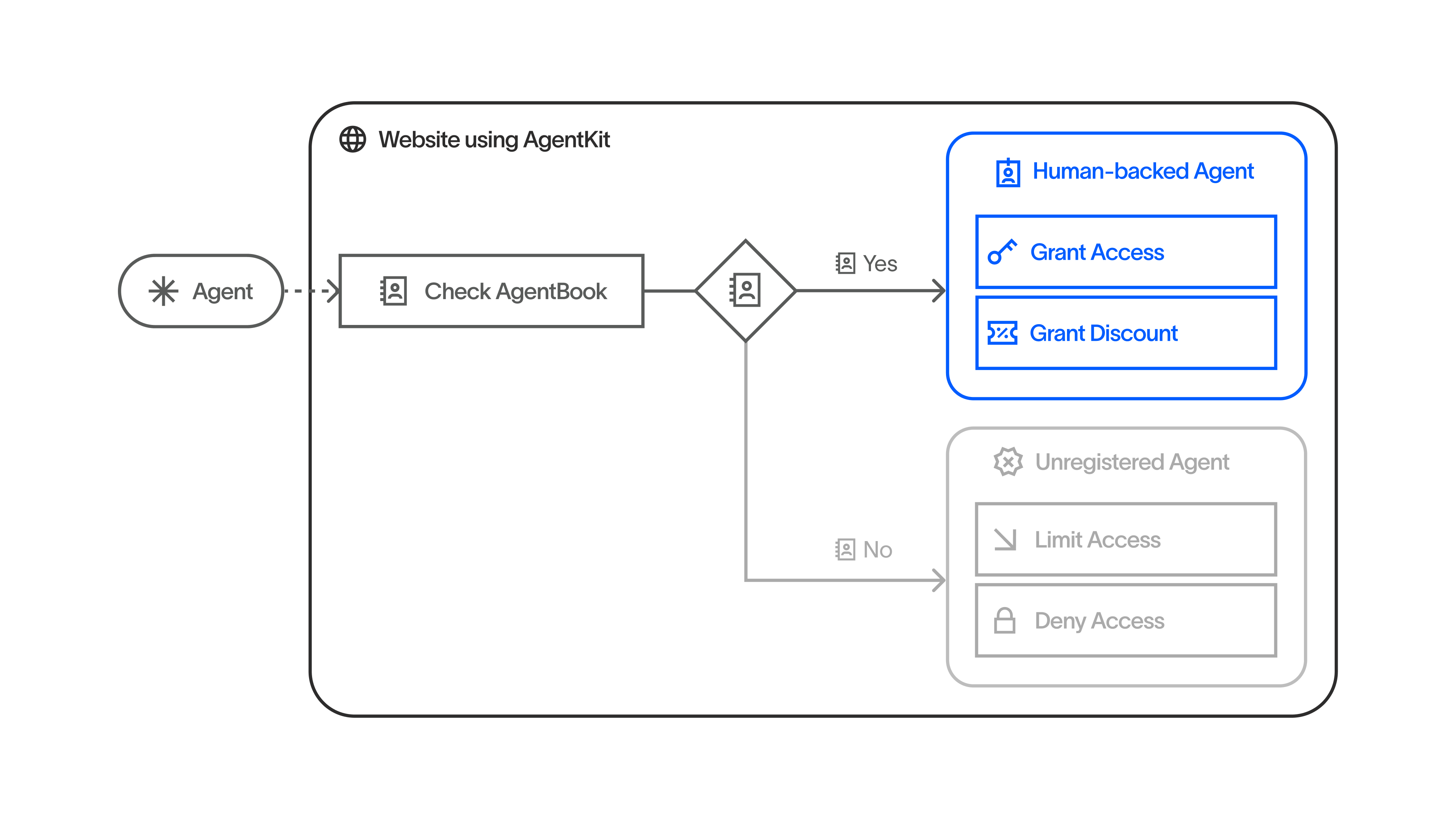
AgentKit เชื่อมต่อระบบกับ x402 ได้อย่างไร?
AgentKit ถูกสร้างขึ้นเพื่อเป็นส่วนขยายเสริมสำหรับโปรโตคอล x402 v2 โดยได้รับความร่วมมือจาก Coinbase การเชื่อมต่อระบบการทำงานนี้ถูกออกแบบมาเพื่อให้ทุกเว็บไซต์ที่ใช้งาน x402 อยู่แล้ว สามารถเปิดใช้งานการตรวจสอบหลักฐานความเป็นมนุษย์ที่ไม่ซ้ำใครควบคู่ไปกับ (หรือใช้แทน) Micropayment ได้เลย
AI agent พิสูจน์ได้อย่างไรว่ามีมนุษย์ที่แท้จริงและมีเพียงตัวตนเดียวในระบบอยู่เบื้องหลัง?
ขั้นตอนนั้นตรงไปตรงมามาก เริ่มจาก ผู้ถือ World ID ที่ผ่านการยืนยันความเป็นมนุษย์แล้วทำการลงทะเบียน Agent ของตนผ่านกระบวนการยืนยันด้วย World ID ตามมาตรฐาน เมื่อ Agent เข้าถึงเว็บไซต์ที่รองรับ x402 เว็บไซต์ดังกล่าวสามารถเรียกเก็บเงิน และ/หรือร้องขอหลักฐานเพื่อยืนยันว่ามีมนุษย์ที่ไม่ซ้ำใครอยู่เบื้องหลัง Agent นั้น หาก Agent มีหลักฐานที่ถูกต้อง ก็จะได้รับสิทธิ์ในการเข้าถึง
แล้วมนุษย์หนึ่งคนสามารถมอบอำนาจให้กับ Agent หลายตัวได้หรือไม่?
ได้ มนุษย์หนึ่งคนสามารถมอบ World ID ของตนให้กับ Agent หลายตัวได้ ซึ่งเป็นสิ่งที่คาดการณ์ไว้อยู่แล้ว กุญแจสำคัญคือ เว็บไซต์สามารถมองเห็นได้ว่า Agent ทั้งหมดเหล่านั้นสามารถสืบย้อนกลับไปยังมนุษย์ที่ไม่ซ้ำใครเพียงคนเดียวกัน ดังนั้น หากมีคนสร้าง Agent ขึ้นมาเป็นร้อยตัวเพื่อถล่มแพลตฟอร์ม เว็บไซต์ก็จะสามารถรับรู้ได้ว่ากำลังรับมือกับคนเพียงคนเดียว และสามารถตั้งค่าการจำกัดได้อย่างเหมาะสม
หลักฐานความเป็นมนุษย์แตกต่างจากการใช้ Micropayment เป็นตัวจำกัดปริมาณการใช้งาน (Rate limiter) อย่างไร?
การชำระเงินบอกให้คุณทราบเพียงว่ามีใครบางคนยินดีที่จะจ่ายเงิน แต่หลักฐานความเป็นมนุษย์จะบอกให้คุณทราบว่ามีบุคคลที่แตกต่างกันกี่คนเข้ามาเกี่ยวข้องจริง ๆ สำหรับแพลตฟอร์มที่ต้องรับมือกับการโจมตีแบบ Sybil, การปั่นกระแส (Manipulation) หรือฝูง Agent ข้อแตกต่างนี้ถือเป็นสิ่งสำคัญอย่างยิ่ง
AgentKit ช่วยให้อะไรเป็นไปได้บ้าง?
ผลลัพธ์ที่ได้นั้นไปไกลกว่าการป้องกันสแปมเป็นอย่างมาก
ลองพิจารณาเรื่องการจองร้านอาหาร แพลตฟอร์มยอดนิยมอย่าง Resy หรือ OpenTable สามารถอนุญาตให้ Agent ของมนุษย์บุคคลจริงทำการจองโต๊ะแทนมนุษย์ที่ผ่านการยืนยันแล้วได้ ในขณะเดียวกันก็ยังสามารถป้องกันไม่ให้พวกนายหน้าปล่อย Agent นับร้อยตัวมากักตุนคิวเพื่อนำไปขายต่อ แพลตฟอร์มไม่จำเป็นต้องคิดค่าธรรมเนียม 20 ดอลลาร์ต่อคำขอเพื่อยับยั้งการนำระบบไปใช้ในทางที่ผิด เพียงแค่ต้องรู้ว่าการจองแต่ละครั้งนั้นผูกติดกับผู้ใช้ที่มีหนึ่งสิทธิ์ต่อหนึ่งคน หลักการเดียวกันนี้สามารถนำไปใช้กับแพลตฟอร์มขายตั๋วคอนเสิร์ตได้เช่นกัน
หรือลองดูเรื่องการติดตามข่าวสาร แพลตฟอร์มอย่าง Newsworthy จ่ายเงินให้ Agent เพื่อดันประเด็นที่สำคัญที่สุดขึ้นมาให้เห็น แต่หากไม่มีหลักฐานความเป็นมนุษย์ที่ไม่ซ้ำใคร ผู้ไม่หวังดีเพียงคนเดียวก็อาจใช้สัญญาณที่สร้างขึ้นอย่างเป็นขบวนการ ถล่มหน้าฟีดจนเสียระบบได้ จุดนี้เองที่ AgentKit ช่วยให้มั่นใจได้ว่าทุกเทรนด์การคัดกรองเนื้อหาสามารถสืบย้อนกลับไปยังบุคคลที่ไม่ซ้ำใครได้
หรือพิจารณาเรื่องการทดลองใช้ฟรี ปัจจุบัน หากเว็บไซต์เปิดให้เข้าถึงฟรีแบบจำกัดผ่านโปรโตคอล x402 Agent ตัวใดก็ตามที่มีวอลเล็ตก็สามารถผลาญสิทธิ์นั้นจนหมดเกลี้ยงได้ ด้วย AgentKit เว็บไซต์สามารถให้สิทธิ์ใช้งานฟรีห้าคำขอต่อมนุษย์ที่ไม่ซ้ำใครแต่ละคน ซึ่งเปิดโอกาสให้ Agent สามารถประเมินบริการก่อนตัดสินใจจ่ายเงินซื้อสิทธิ์การเข้าถึง ในขณะเดียวกันก็ช่วยป้องกันการใช้งานในทางที่ผิดได้
เบอร์โทรศัพท์ก็เป็นอีกกรณีที่น่าสนใจ Agent มีความจำเป็นต้องใช้หมายเลขโทรศัพท์มากขึ้นเรื่อย ๆ สำหรับการยืนยันตัวตนแบบสองขั้นตอนและการสมัครสมาชิก หากไม่มีหลักฐานความเป็นมนุษย์ที่ไม่ซ้ำใคร Agent นับพันตัวก็อาจแห่กันไปขอหมายเลขโทรศัพท์ที่ไม่ซ้ำกัน ซึ่งจะสร้างภาระหนักให้กับโครงสร้างพื้นฐานด้านโทรคมนาคม ด้วย AgentKit ผู้ให้บริการสามารถรับประกันได้ว่ามนุษย์แต่ละคนจะได้รับหมายเลขโทรศัพท์เพียงหนึ่งหมายเลขเท่านั้น เพื่อใช้ร่วมกันในหมู่ Agent ทั้งหมดของตนเอง
ในทุกกรณีที่กล่าวมา รูปแบบพื้นฐานที่อยู่เบื้องหลังล้วนเหมือนกัน หลักฐานความเป็นมนุษย์มอบสัญญาณแห่งความเชื่อมั่นที่เว็บไซต์ต่าง ๆ ต้องการ เพื่อเปิดประตูต้อนรับ Agent โดยไม่ต้องลดทอนความเป็นส่วนตัวของผู้ใช้ หรือสร้าแรงจูงใจทางเศรษฐกิจเชิงลบ
เร่งการเติบโตของเว็บยุค Agentic ไม่ใช่แค่สร้างความปลอดภัย
ประเด็นในที่นี้ครอบคลุมมากกว่าแค่เรื่องความเชื่อมั่นและความปลอดภัย หากไม่มีวิธีตรวจสอบมนุษย์ที่อยู่เบื้องหลัง Agent เราก็อาจไปไม่ถึงยุคแห่ง Agentic Web อย่างเต็มรูปแบบ เว็บไซต์ต่าง ๆ จะไม่ยอมเปิดแพลตฟอร์มของตนให้รับทราฟฟิกจาก Agent หากพวกเขาไม่มีวิธีจัดการกับมัน ทุกแพลตฟอร์มหลัก ตั้งแต่อีคอมเมิร์ซ โซเชียลมีเดีย ไปจนถึงบริการทางการเงิน จะต้องเผชิญกับคำถามเดียวกันว่า: เราจะปล่อยให้ Agent ที่สร้างประโยชน์เข้ามา พร้อมกีดกันตัวที่ประสงค์ร้ายออกไปได้อย่างไร?
AgentKit คือรากฐานสำหรับคำตอบนั้น ด้วยการขยายขอบเขตของหลักฐานความเป็นมนุษย์ให้ครอบคลุมไปถึง Agent ตอนนี้ World กำลังช่วยสร้างโครงสร้างพื้นฐานที่เอื้อให้อินเทอร์เน็ตในยุค Agentic ให้สามารถเติบโต ขยายขอบเขต และทำงานได้อย่างสมบูรณ์
เริ่มด้วยกันวันนี้
ขณะนี้ AgentKit เปิดให้ใช้งานแล้วในรุ่นเบต้าแบบจำกัดสำหรับนักพัฒนาที่กำลังสร้าง Agent และถือครอง World ID ที่ผ่านการยืนยันความเป็นมนุษย์แล้ว คุณสามารถอ่านเอกสารฉบับเต็มได้ที่ docs.world.org/agents/agent-kit
รุ่นเบต้านี้ถูกสร้างขึ้นบนสถาปัตยกรรมปัจจุบันของ World ID โดยมีแผนที่จะปล่อยเวอร์ชัน 1.0 ที่มีประสิทธิภาพและครอบคลุมยิ่งขึ้น ควบคู่ไปกับการเปิดตัวโปรโตคอลเจเนอเรชันถัดไป สำหรับตอนนี้ เป้าหมายของเราคือการส่งมอบ AgentKit ให้ถึงมือเหล่า Builder, รวบรวมข้อเสนอแนะ และแสดงให้เห็นถึงสิ่งที่เป็นไปได้เมื่อหลักฐานความเป็นมนุษย์ที่ไม่ซ้ำใครได้ขยายขอบเขตเข้าสู่ชั้นการทำงานของ Agent บนอินเทอร์เน็ต
ยุคของ Agentic Web กำลังจะมาถึง คำถามที่มักจะตามมาเสมอคือ โครงสร้างพื้นฐานจะสามารถพัฒนาตามทันได้หรือไม่ และ AgentKit คือคำตอบของคำถามนี้
เข้าร่วมเครือข่ายมนุษย์จริง
ดาวน์โหลดแอป World IDบทความที่เกี่ยวข้อง
Announcements ·
Introducing World ID for banking and finance: AI-safe experiences for enterprises and their customers

Announcements ·
Muse, dots, Instinct, and the question every agent will be asked

Announcements ·
Product ·
peaqOS brings World ID to physical AI and the machine economy

Announcements ·