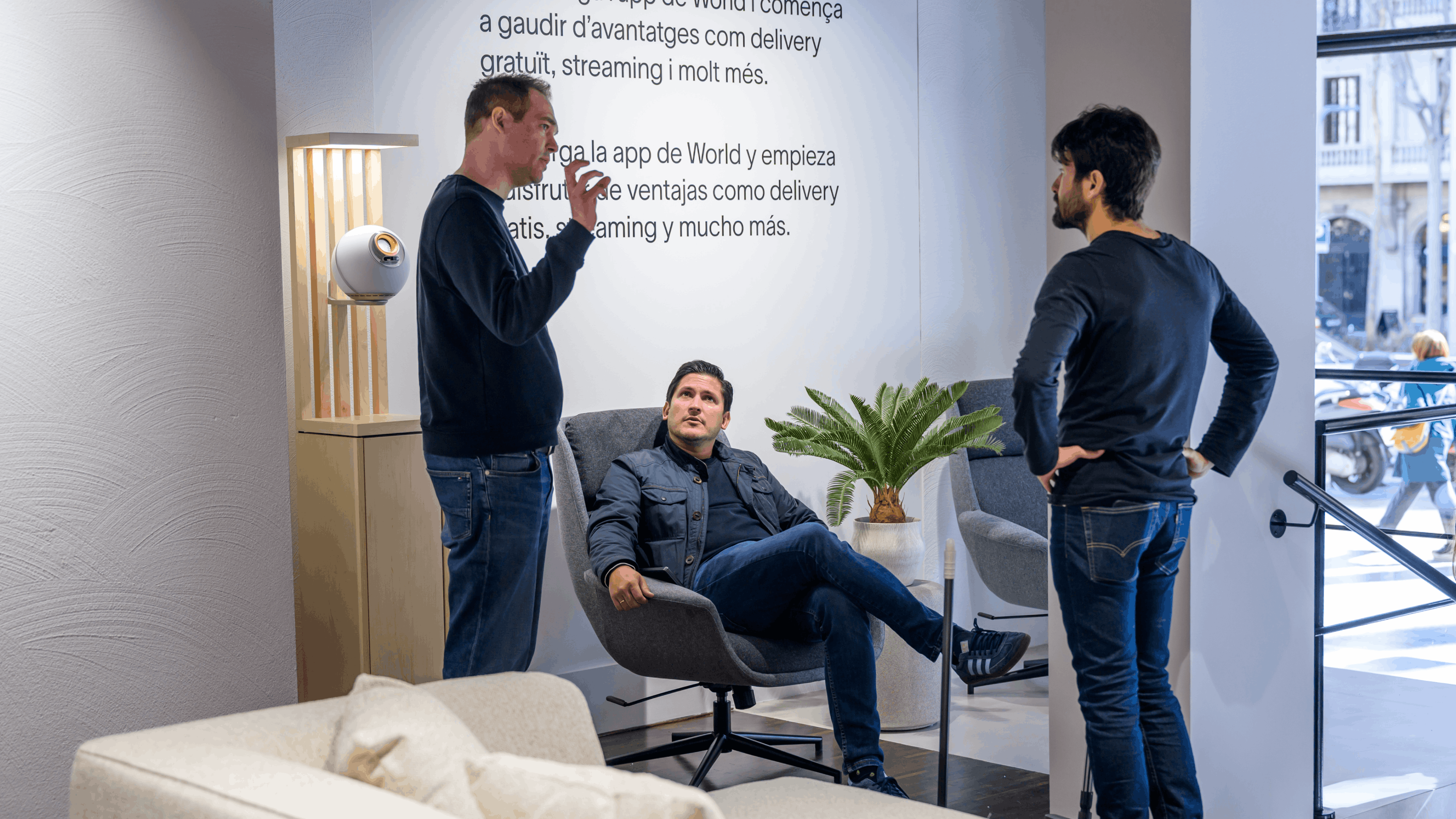
World มอบเครื่องมือให้กับผู้คนเพื่อพิสูจน์ว่าพวกเขาเป็นมนุษย์ที่ไม่ซ้ำใครและเป็นมนุษย์จริงในโลกออนไลน์ แนวคิดหลักนั้นเรียบง่าย: เมื่อ AI ก้าวหน้า อินเทอร์เน็ตจึงจำเป็นต้องมีวิธีที่เชื่อถือได้สำหรับการแยกความแตกต่างระหว่างคนจริงกับบอต อัลกอริทึม และตัวตนปลอม ๆ ในโลกที่ปัญญาประดิษฐ์สามารถสร้างข้อความ รูปภาพ เสียง และแม้แต่อัตลักษณ์ที่เป็นดิจิทัลโดยสมบูรณ์ การพิสูจน์ว่าคุณเป็นมนุษย์จริงจึงกลายมีความสำคัญมากขึ้น และยังยากขึ้นเรื่อย ๆ
เครื่องมือแบบเดิม ๆ เช่น CAPTCHA รหัสผ่าน และการตรวจสอบ KYC นั้นออกแบบมาสำหรับอินเทอร์เน็ตยุคก่อนหน้านี้ ปัจจุบัน บอตมักจะรับมือกับ CAPTCHA ได้ดีกว่ามนุษย์ และเอกสารที่สร้างขึ้นโดย AI หรือการสังเคราะห์ข้อมูลขึ้นสามารถหลอกระบบการยืนยันที่สร้างขึ้นเมื่อหลายสิบปีก่อนได้ เมื่อระบบอัตโนมัติขยายตัว การฉ้อโกงออนไลน์ สแปม การแอบอ้างอัตลักษณ์ และข่าวปลอมก็ทำได้ง่ายขึ้น อินเทอร์เน็ตจำเป็นต้องมีรากฐานใหม่ของความน่าเชื่อถือ สิ่งที่ยืนยันความเป็นมนุษย์โดยไม่กระทบความเป็นส่วนตัว World ช่วยขับเคลื่อนมนุษยชาติไปข้างหน้าโดยสร้างรากฐานนั้นสำหรับยุคดิจิทัล
โดยใช้ Orb ซึ่งเป็นกล้องล้ำสมัย แต่ละคนจะได้รับ World ID ที่ได้รับการยืนยัน World ID คือข้อมูลประจำตัวดิจิทัลที่จัดเก็บในโทรศัพท์ของแต่ละคน ซึ่งช่วยให้สามารถพิสูจน์ว่าตนเองเป็นมนุษย์ที่ไม่ซ้ำใครได้แบบไม่ระบุตัวตน ด้วยการพิสูจน์แบบ Zero-knowledge กระบวนการยืนยันนี้ไม่เปิดเผยข้อมูลส่วนตัวใด ๆ ของบุคคลนั้น ๆ เลย ผลลัพธ์คือหลักฐานความเป็นมนุษย์ ไม่ใช่หลักฐานการยืนยันตัวตน ซึ่งสามารถใช้ได้ข้ามเครือข่าย แพลตฟอร์มและไร้พรมแดน
World ริเริ่มขึ้นเพื่อให้มนุษย์ทุกคนได้รับประโยชน์ในยุคแห่ง AI พันธกิจของเราคือขับเคลื่อนศักยภาพของมนุษย์ทุกคนโดยการสร้างเครือข่ายมนุษย์จริง ๆ ที่ใหญ่ที่สุดในโลก ปัจจุบัน [insert verified human ticker] คนได้ยืนยัน World ID ของตนที่ Orb แล้ว
World ประกอบด้วย 4 ส่วน: Orb (ฮาร์ดแวร์สำหรับยืนยันความไม่ซ้ำใครและความเป็นมนุษย์), World ID (หลักฐานความเป็นมนุษย์ดิจิทัลที่มีความเป็นส่วนตัว), World Chain (โครงสร้างพื้นฐานบล็อกเชนที่ขับเคลื่อนเครือข่าย) และ Worldcoin (โทเค็นดิจิทัลของโปรเจกต์)
เรียนรู้เพิ่มเติมเกี่ยวกับวิธีการทำงานของ World ID และ ค้นหา Orb ใกล้คุณ
1. เหตุใด World หรือหลักฐานความเป็นมนุษย์จึงมีความสำคัญในขณะนี้?
คำถามว่า "อะไรคือของจริง?" กลายเป็นประเด็นเร่งด่วน เนื้อหาที่สร้างโดย AI บัญชีปลอม และตัวแทนแบบอัตโนมัติกำลังเปลี่ยนแปลงทุกมิติของอินเทอร์เน็ต ตั้งแต่โซเชียลมีเดีย บริการทางการเงิน จนถึงโฆษณาดิจิทัล ผู้ลงโฆษณารายใหญ่ต่างกำลังพิจารณาขอบเขตของปัญหา: พวกเขาค้นพบเองว่าการเข้าถึงในเชิงดิจิทัลมาจากบอตเป็นจำนวนมาก ธนาคารรายงานว่าบอตสามารถ สร้างเอกสารปลอมได้แนบเนียนกว่ามนุษย์ แพลตฟอร์มออกเดตพบว่าผู้ใช้สร้างบัญชีหลายบัญชีด้วยนามแฝง นักเล่นเกมต้องแข่งขันกับบอตที่บิดเบือนอันดับคะแนนและทัวร์นาเมนต์
World สร้างขึ้นมาเพื่อช่วงเวลานี้โดยเฉพาะ ผู้ก่อตั้งของเรามองเห็นภาพล่วงหน้าหลายปีแล้วว่าหลักฐานความเป็นมนุษย์จะกลายเป็นโครงสร้างพื้นฐานด้านดิจิทัลสำคัญที่สำคัญสำหรับทุกคน เครือข่ายมนุษย์จริงครอบคลุมผู้ที่ได้รับการยืนยันกว่าล้านคนทั่วโลก และมีความสำคัญในทุกแวดวง ทั้งทางการเงิน โซเชียล เกม โฆษณา และหน่วยงานภาครัฐ
2. World ปกป้องความเป็นส่วนตัวของฉันอย่างไร?
World ได้รับการออกแบบเพื่อพิสูจน์ว่าคุณเป็นมนุษย์โดยไม่ต้องรู้ว่าคุณเป็นใครตั้งแต่แรกเริ่ม
กระบวนการการยืนยันความเป็นมนุษย์สร้างรหัสที่ได้รับการเข้ารหัส และจัดเก็บไว้เฉพาะในโทรศัพท์ของคุณ ดังนั้น World จึงไม่มีฐานข้อมูลส่วนกลางของข้อมูลส่วนบุคคล
ชื่อ สถานที่ เพศ และข้อมูลส่วนตัวอื่น ๆ ของผู้ถือ World ID ที่ได้รับการยืนยันจะไม่ถูกเปิดเผยกับ World เลย เมื่อเดินทางผ่านสนามบินในยุคใหม่ ผู้เดินทางมักเปิดเผยข้อมูลส่วนตัวมากกว่าคนที่ยืนยันและใช้ World ID ของตนเสียอีก
3. World เป็นบริษัทคริปโทหรือไม่?
World คือเครือข่ายหลักฐานความเป็นมนุษย์ เทคโนโลยีบล็อกเชนมีบทบาทสำคัญอย่างเจาะจงในโปรเจกต์นี้: โดยเข้ามาช่วยให้ World ดำเนินการได้แบบเป็นโปรโตคอลแบบกระจายศูนย์ที่ไม่มีบริษัทหรือประเทศใดควบคุมได้เพียงรายเดียว เรื่องนี้สำคัญเพราะโครงสร้างพื้นฐานหลักฐานความเป็นมนุษย์ระดับโลกควรเป็นโครงสร้างพื้นฐานเปิดที่ทุกคนเข้าถึงได้ Worldcoin (WLD) คือคริปโทเคอร์เรนซีหลักของ World โดยมี World Foundation ทำหน้าที่ดูแลจัดสรรโทเค็นสำหรับคอมมูนิตี้มนุษย์ที่ยืนยันว่าตนเองเป็นมนุษย์ที่ไม่ซ้ำใคร
4. World มีให้บริการที่ไหนบ้าง และจะไปที่ใดต่อ?
World เปิดให้ใช้งานแล้วในกว่า 20 ประเทศ และยังคงขยายต่อเนื่อง ทั่วโลกมีคนเข้าร่วมเครือข่ายเกือบ 40 ล้านคน โดยกว่าครึ่งหนึ่งได้รับการยืนยันความเป็นมนุษย์แล้ว
ในประเทศที่เทคโนโลยีหลักฐานความเป็นมนุษย์เริ่มใช้งานมานานที่สุด ตัวเลขการเข้าร่วมโดดเด่น: กว่าหนึ่งในสามของประชากรที่บรรลุนิติภาวะแล้วในลิสบอนมีหลักฐานความเป็นมนุษย์ และมากกว่าหนึ่งในสี่ของผู้ที่บรรลุนิติภาวะแล้วในบัวโนสไอเรสก็เช่นกัน
ในสหรัฐอเมริกา World ได้เปิดตัวในแหล่งรวมนวัตกรรมที่สำคัญ เช่น ซานฟรานซิสโกและไมอามี การให้บริการ Orb ในสหรัฐฯ กำลังเติบโตอย่างรวดเร็ว โดยมีการผลิตและติดตั้งอุปกรณ์รุ่นใหม่ที่ร้าน Razer และร้านค้าปลีกอื่น ๆ
ข้อมูลประจำตัว World ID ซึ่งช่วยให้แต่ละคนเลือกยืนยันผ่านหนังสือเดินทางหรือเอกสารราชการที่รองรับ NFC เป็นอีกช่องทางหนึ่งสำหรับผู้ที่ไม่สามารถเข้าถึง Orb ได้ในทันที
เส้นทางถัดไปคือการทำให้หลักฐานความเป็นมนุษย์เป็นพื้นฐานหลักที่สำคัญบนอินเทอร์เน็ตที่เน้นมนุษย์เป็นศูนย์กลาง เป็นมาตรฐานเหมือนกับ HTTPS พันธมิตรและการบูรณาการร่วมในอุตสาหกรรมต่าง ๆ ไม่ว่าจะเป็นการหาคู่เกมการเงิน และการค้าปลีก แต่ละส่วนล้วนทำให้เห็นถึงคุณค่าของการพิสูจน์ว่าคุณเป็นมนุษย์ที่ไม่ซ้ำใครได้ชัดเจนยิ่งขึ้น
เครือข่ายมนุษย์จริงอยู่ที่นี่แล้ว
สำหรับคำถามที่พบบ่อยเพิ่มเติม กรุณาเยี่ยมชม https://world.org/faqs
เข้าร่วมเครือข่ายมนุษย์จริง
ดาวน์โหลดแอป World IDบทความที่เกี่ยวข้อง