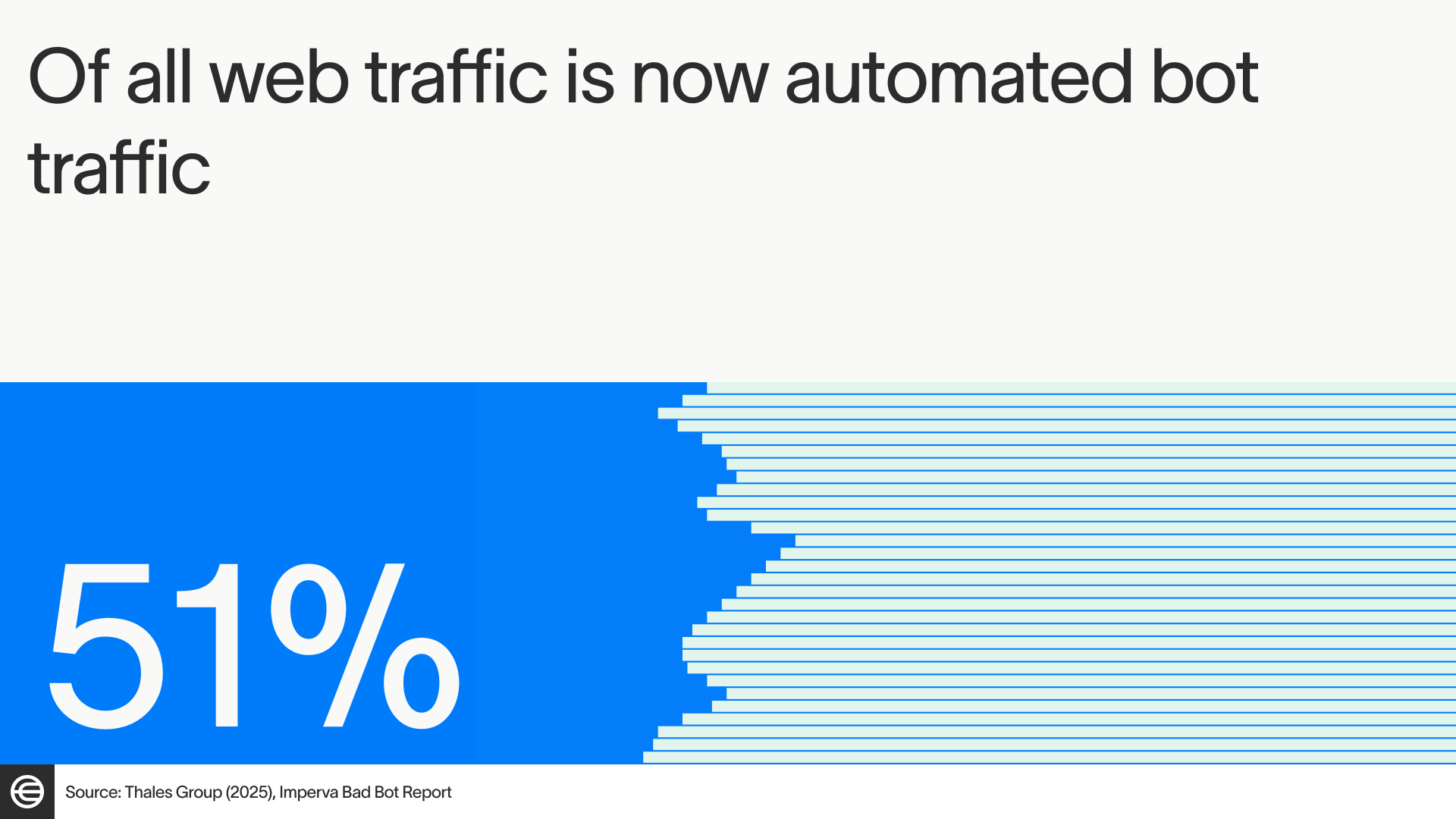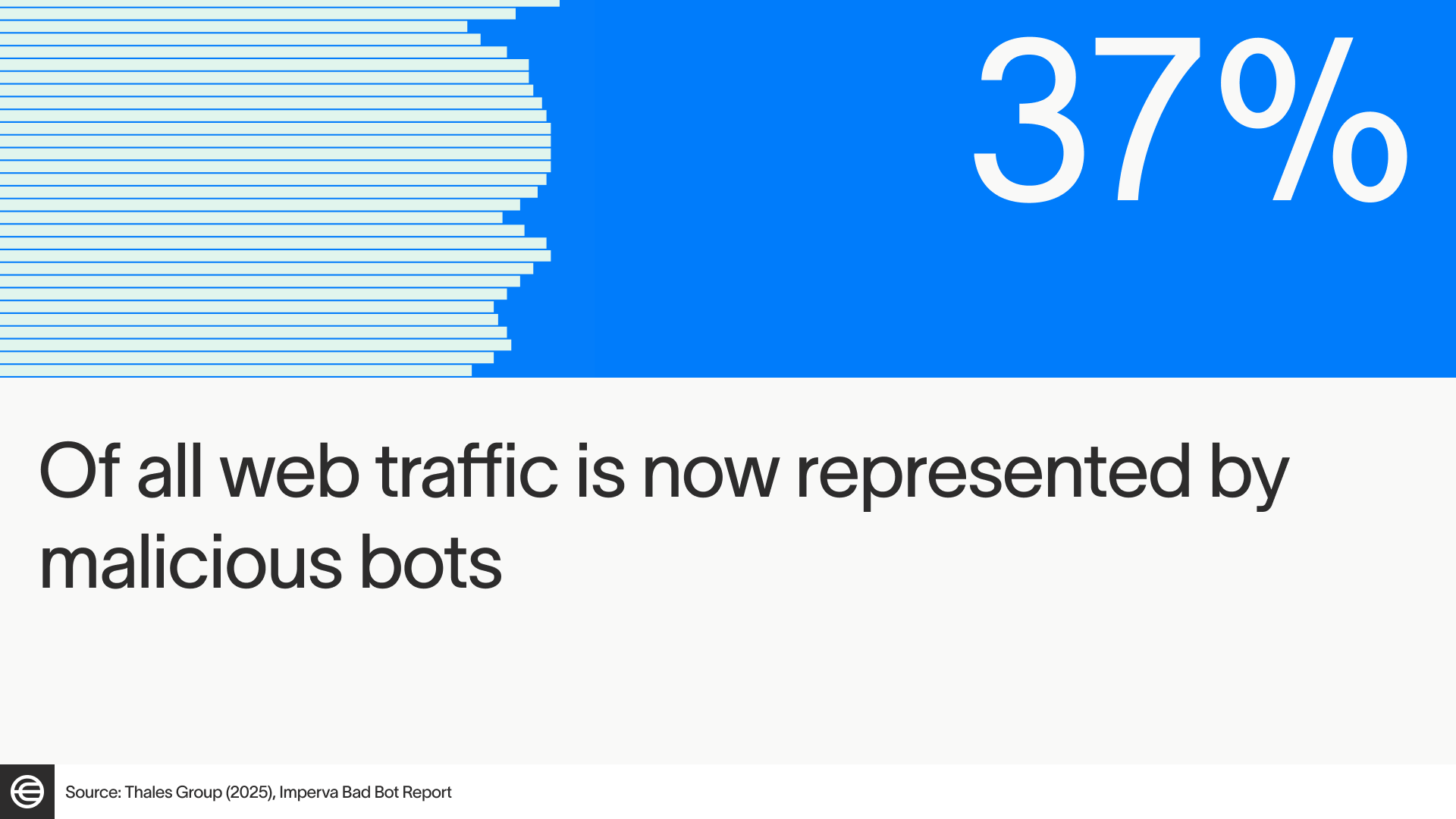
For the first time in a decade, automated bot traffic has surpassed human activity online, accounting for 51% of all web traffic. Malicious bots alone now represent 37% of all internet traffic, a sharp increase from 32% in 2023. The internet, in other words, is no longer a predominantly human space. And the results are playing out in real time.
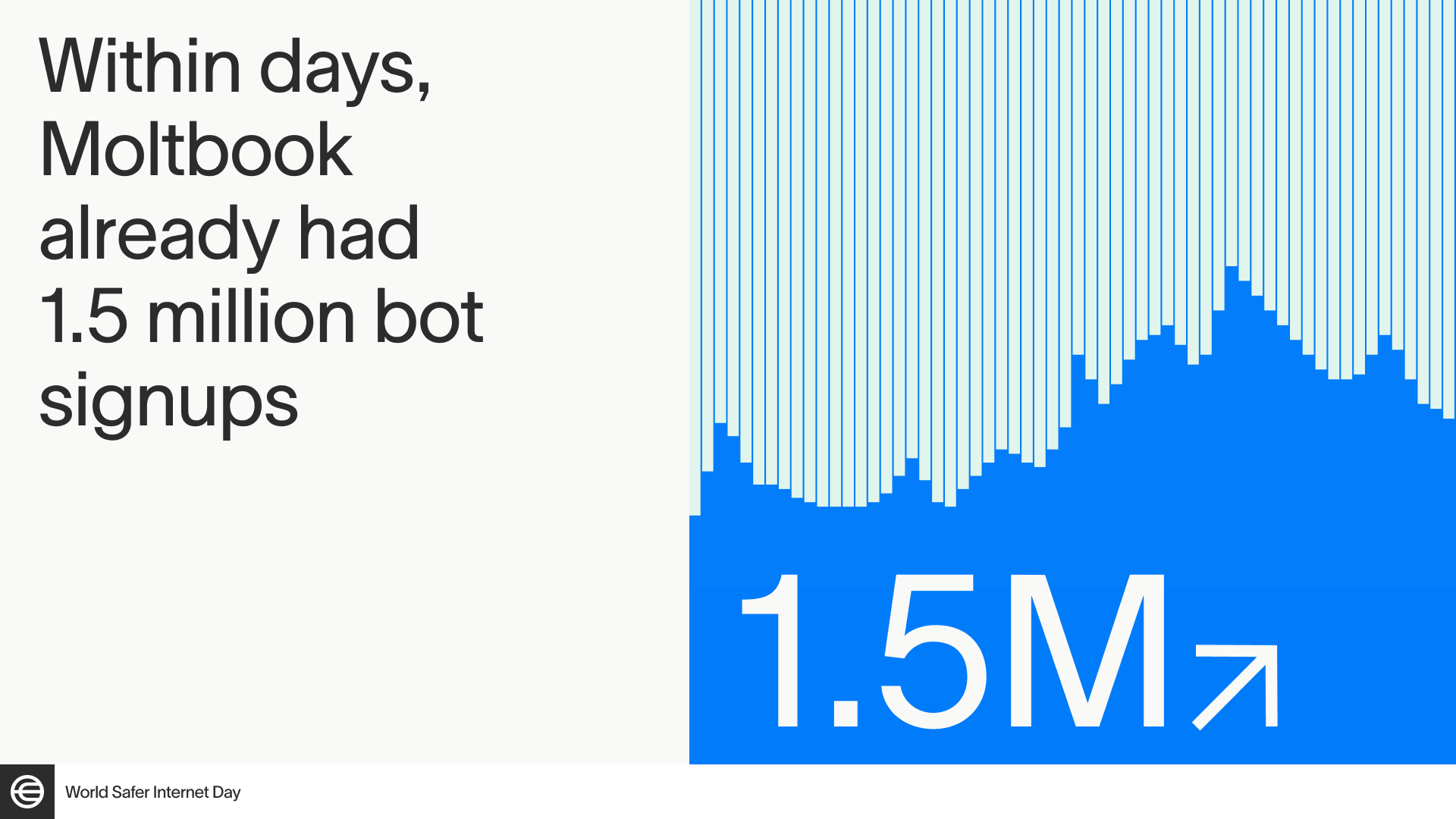
Earlier this month, a new social network called Moltbook went viral. Launched by a tech entrepreneur, it is a platform built explicitly for AI agents, where bots post, comment, upvote and interact with one another. Humans are allowed on the platform, but only as observers. Within days, 1.5 million bots had signed up. The content ranged from philosophical musings on consciousness to posts declaring the end of "the age of humans."
Moltbook might be a novelty and a signal. The underlying tools that power it - autonomous AI agents capable of operating across the internet on behalf of their users - are advancing rapidly.
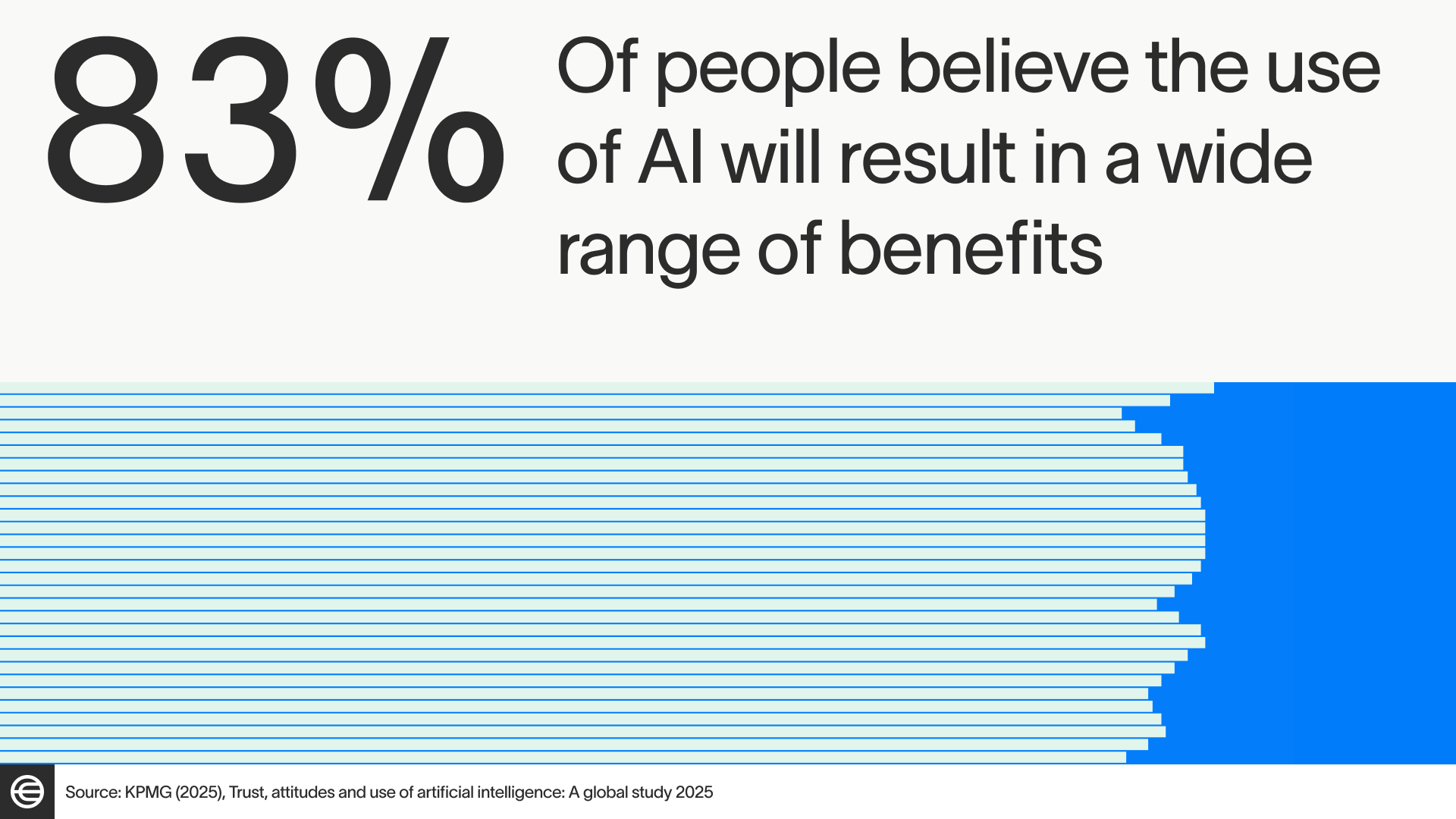
Importantly, this shift is not being driven by rejection of technology, but by broad consumer adoption. Today, 66% of people report using AI regularly, and 83% believe the use of AI will result in a wide range of benefits.
Consumers are embracing AI because it saves time, expands access, and unlocks new capabilities. But as AI becomes more embedded in everyday life, the need to distinguish real humans from automated systems becomes more urgent - not less.
The internet needs a human layer
AI is already part of daily life.
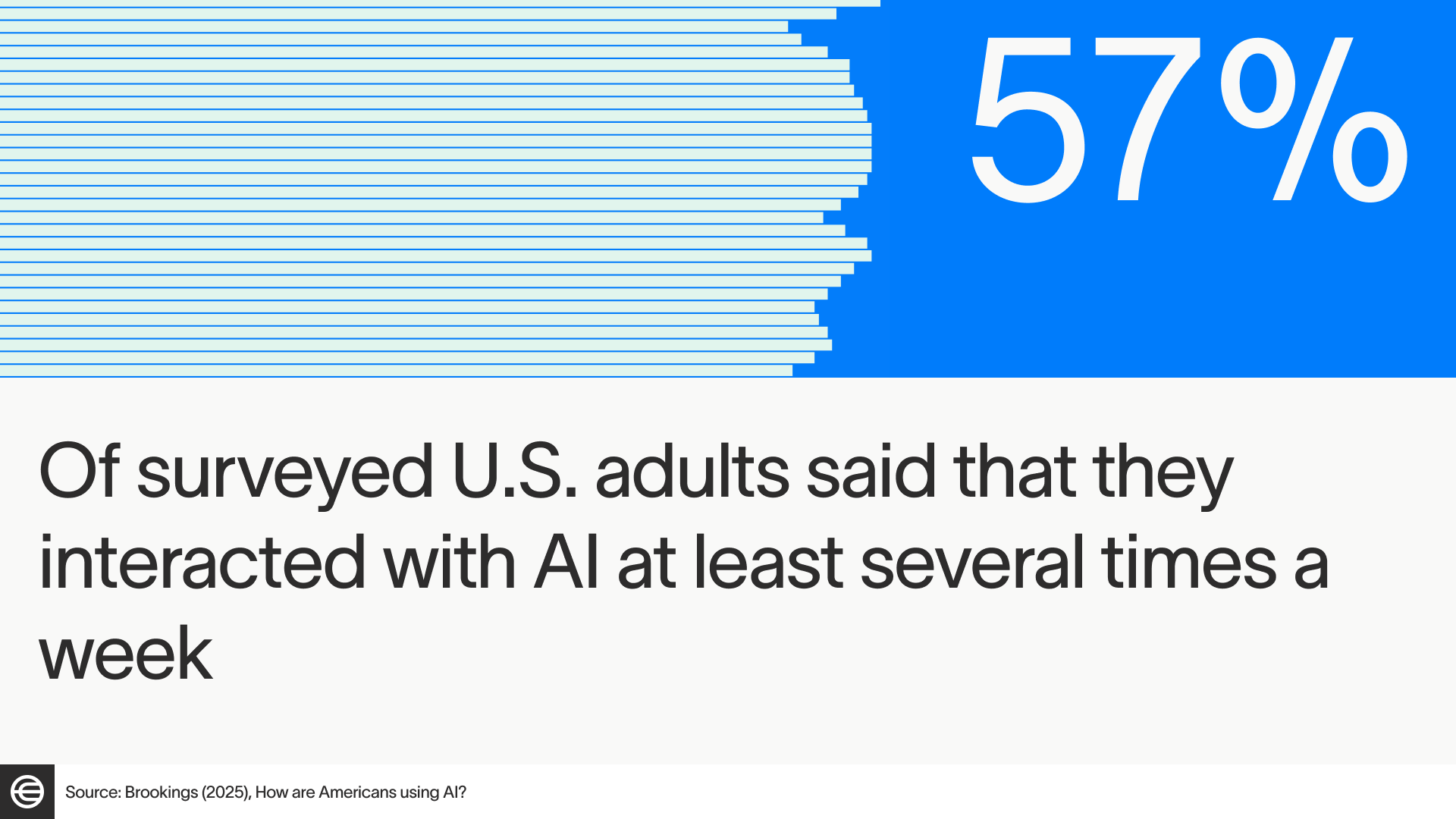
In the US alone, 57% of surveyed adults say they interact with AI at least several times a week.
As AI systems take on more visible and invisible roles in search, communication, commerce and decision-making, the absence of reliable human verification becomes a structural risk.
Traditional defenses are failing. CAPTCHAs are routinely solved by AI. Email and phone-based verification can be duplicated at scale. Social media reputation systems are gamed by the millions of bots already embedded across platforms. These approaches were designed for a world where humans vastly outnumbered automated systems online. That world no longer exists.
What’s needed is a foundational layer that allows real humans to prove they’re real, anonymously and privately, before interacting online. A way to verify humanness at the point of interaction, so platforms can ensure that reviews, logins, purchases, votes and conversations involve actual people.
This is proof of human.
How World is building the real human network
World is building exactly this infrastructure. With World ID, anyone can verify they are a unique, real human and carry that verification across the internet, proving their humanness to any platform or service without revealing who they are. The verification is anonymous. No personal data is shared with applications. No activity data is tracked or stored. You prove you are human and unique, full stop.
World Network already spans 160 countries with over [ticker] million verified unique humans and more than [ticker] million World App users. World ID integrates across a growing ecosystem of applications in finance, gaming, social connection, dating, ticketing and e-commerce, exactly the sectors where bots are most prevalent to consumers.
The applications are practical and immediate. Dating platforms can ensure profiles belong to real people. E-commerce sites can verify that reviews come from actual buyers. Ticketing services can guarantee fair access by limiting purchases to verified humans. Financial platforms can prevent automated fraud at the point of entry. In each case, proof of human shifts the paradigm from retroactive detection to proactive verification: instead of trying to identify bots after the damage is done, platforms can ensure human participation from start to end.
As AI agents act for real people, proof of unique human can keep humans in control by enabling trusted oversight. Even when individuals delegate permissions, builders can require explicit human authorization for sensitive actions: payments, confirmation, and transactions. Trust is preserved over time, without sacrificing privacy, even as agents gain autonomy.
A safer internet is a more human internet
Online safety tips historically focused on protecting individuals from specific online threats: scams, bullying, misinformation. Those threats remain real. But the challenge in 2026 is more foundational. When automated traffic outpaces human activity, when AI agents build their own social networks and when a three-second audio clip is enough to impersonate anyone, safety requires a new kind of infrastructure.
Proof of human: 5 essential steps to stay safe and real online
1. Guard your digital footprint
Your digital presence consists of countless unique patterns: writing style, posting schedules, voice characteristics, and behavioral signatures. AI systems continuously harvest these details, building increasingly sophisticated replicas.
Take action: Treat personal data as your digital identity. Before sharing content—whether selfies, voice notes, or personal stories—consider its potential use in training AI systems. Limit exposure of unique characteristics that could enable impersonation. Use privacy settings actively and share selectively.
2. Pause before you share
Research shows misinformation spreads six times faster than truth on social media. AI amplifies this problem by generating convincing fake content at unprecedented scale. Breaking news, urgent warnings, incredible deals—synthetic content targets emotional triggers to bypass critical thinking.
Take action: Build a verification habit. When content triggers strong emotions, pause before sharing. Check multiple reputable sources. Cross-reference claims through established channels. The extra seconds spent verifying save hours of damage control.
3. Establish verification systems with loved ones
Voice cloning scams exploded 1,200% in the past year alone. Fraudsters need minimal audio—a voicemail greeting, social media video, or public speaking clip—to generate convincing impersonations. These synthetic voices call family members with urgent requests for money or sensitive information.
Take action: Create family verification protocols beyond voice recognition. Establish unique safe words updated regularly. Use callback systems through known numbers. Implement multi-channel confirmation for financial requests. Consider using World App features that require proof of human for transactions.
4. Question the extraordinary
AI excels at crafting personalized deceptions. That perfect job offer arriving unsolicited, the investment opportunity with guaranteed returns, the ideal romantic match who shares every interest—AI generates these illusions by analyzing your digital footprint and crafting targeted approaches.
Take action: Apply heightened scrutiny to extraordinary claims. Verify employment offers directly through company websites. Research investment opportunities through regulatory databases. Use platforms with World ID verification systems that confirm human presence. Remember: real opportunities have real humans who welcome verification questions.
5. Verify, then trust
Critical transactions—financial, legal, personal—demand proof of human on both sides. As AI agents handle increasing responsibilities, confirming human accountability becomes essential. Whether transferring funds, signing contracts, or sharing sensitive information, ensure a verified human remains responsible.
Take action: Use platforms implementing robust proof of human test protocols. Confirm transactions through official banking channels. Request proof of human verification for significant commitments. Make proof of human your standard for important interactions.
Frequently Asked Questions
Why do some websites ask for proof of human?
Websites implement proof of human to prevent automated attacks, block fraudulent activities, and foster genuine human interaction. In 2024, Bot traffic accounted for over 50% of internet activity, making verification essential for platform integrity and user protection. Proof of human can prevent bots from creating fake accounts, manipulating online polls, scraping data, or conducting coordinated misinformation campaigns.
How does World's proof of human technology work?
The proof of human technology from World uses advanced cryptography to anonymously confirm you're a unique human without storing personal data. The system generates a proof of humanness that works across platforms while your information remains completely private on your phone—no databases, no surveillance, just mathematical certainty of human presence. The verification happens once, creating a reusable proof that confirms your humanity without revealing your personal information.
What makes proof of human technology different from traditional verification?
Proof of human technology verifies humanness without storing personal data. Through zero-knowledge proofs, platforms confirm you're a unique human without learning who you are, where you live, or any other details. Traditional verification often requires extensive personal information—proof of human achieves stronger verification with complete privacy preservation.
How to handle requests to bypass human verification?
Legitimate services never ask individuals to bypass their own security measures. Requests to circumvent human verification often indicate fraudulent activity. Proper proof of human helps protect both individuals and platforms from automated attacks, synthetic personas, and coordinated bot campaigns. Rather than seeking workarounds, individuals should embrace proof of human as essential protection for maintaining platform integrity and user safety.
How does proof of human technology protect against AI-generated fraud?
Proof of human creates accountability by confirming real people stand behind actions. Unlike traditional security measures that protect access, proof of human technology ensures the person accessing systems or requesting transactions exists as a unique, verified human—eliminating synthetic personas, bot networks, and AI-generated impersonators. This becomes increasingly critical as AI systems become more sophisticated at mimicking human behavior online.
The question is simple: in a world increasingly shaped by AI, how do we ensure that the internet remains a place where humans can connect, transact and communicate with confidence?
Proof of human is the answer. And with World, it’s already here.
Learn more about World in our blog and sign-up to building a safer, more human internet.