
La prueba de humano pasa a la acción
World nació hace más de seis años fruto de una doble convicción: que la IAG iba a cambiar el mundo y que sería necesaria una infraestructura capaz de orientar esa transformación en beneficio de toda la humanidad.
Hoy, el rápido avance de los agentes de IA plantea nuevos desafíos para la integridad de las interacciones digitales y la estabilidad de nuestra sociedad. Ante esta realidad, la necesidad de contar con una tecnología de Prueba de humanidad nunca ha sido tan evidente. World se creó para empoderar a las personas y reforzar su capacidad de decisión frente al avance de la IA. Para ello, ofrece una Prueba de humanidad privada, herramientas financieras (World App), una infraestructura de Prueba de humanidad (World ID) y una app específica para gestionar esta prueba (World ID App). Hasta la fecha, World ha emitido más de 18 millones de Pruebas de humanidad y World ID se ha utilizado más de 450 millones de veces en todo el mundo.
The Simple Plan
Desde su fundación, World se ha guiado por un marco estratégico propio: "The Simple Plan". Y aunque la IA ha transformado internet, sus cinco fases permanecen intactas:
- 1.
- 2.
- 3.
- 4.
- 5.
Fase 1: Crear una prueba de humano privada
En los últimos años, World ha diseñado, desarrollado y lanzado World ID, un protocolo privado basado en la prueba de humano que opera bajo los principios de privacidad y minimización de datos. Actualmente, el protocolo se encuentra en su cuarta generación y ofrece mayor compatibilidad y nuevas capacidades para integrarse en sistemas empresariales, plataformas de consumo y flujos de trabajo con agentes de IA.
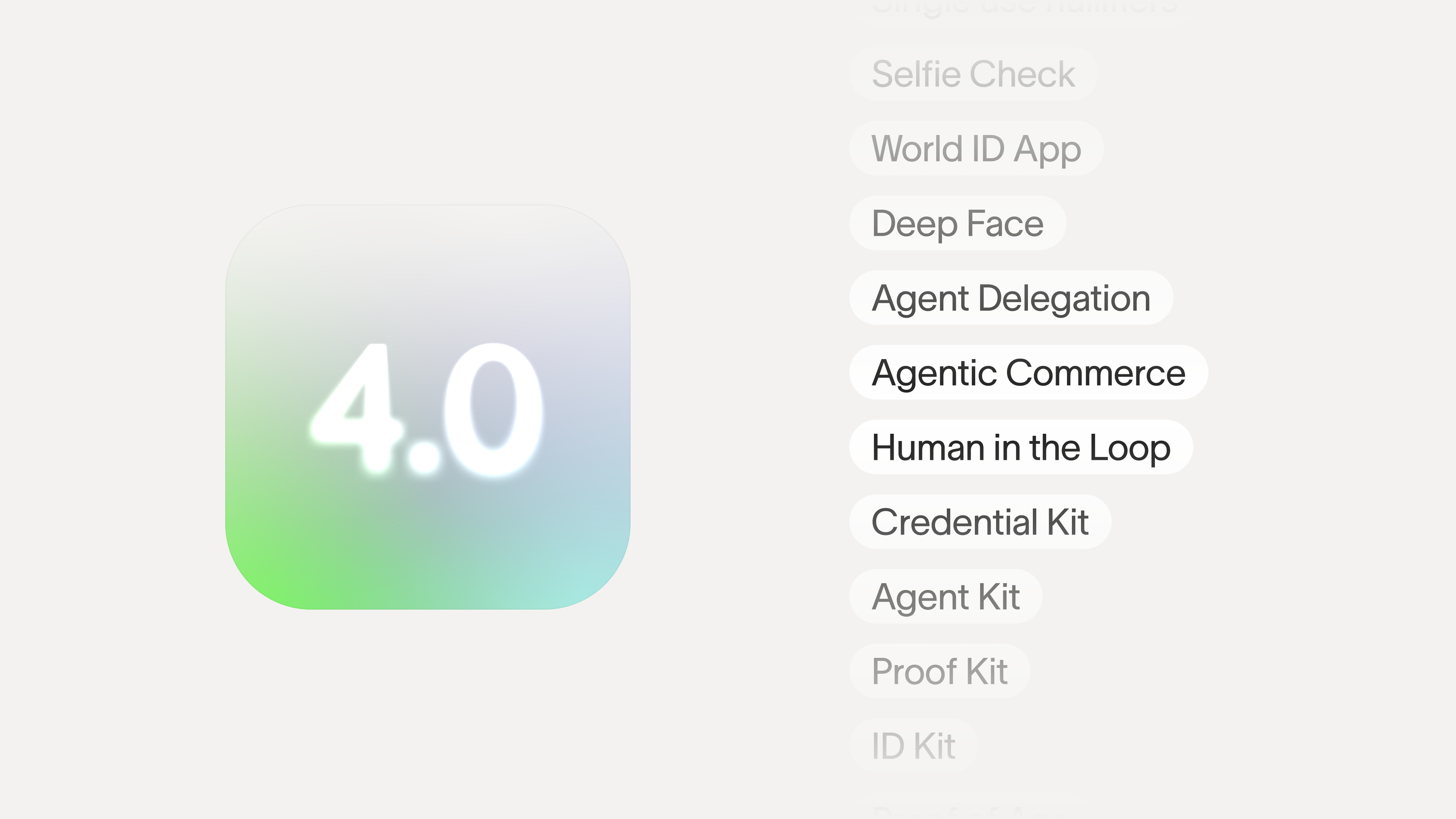
Junto con la actualización del protocolo, la World ID App ofrece un espacio único desde el que cualquier persona puede gestionar su prueba de humano y usarla en aplicaciones, servicios y experiencias impulsadas por IA. La nueva app permite llevar la prueba de humano a distintos entornos digitales y acceder a una gama cada vez mayor de experiencias centradas en las personas.
Fase 2: Lanzar y consolidar la red mediante la distribución de tokens
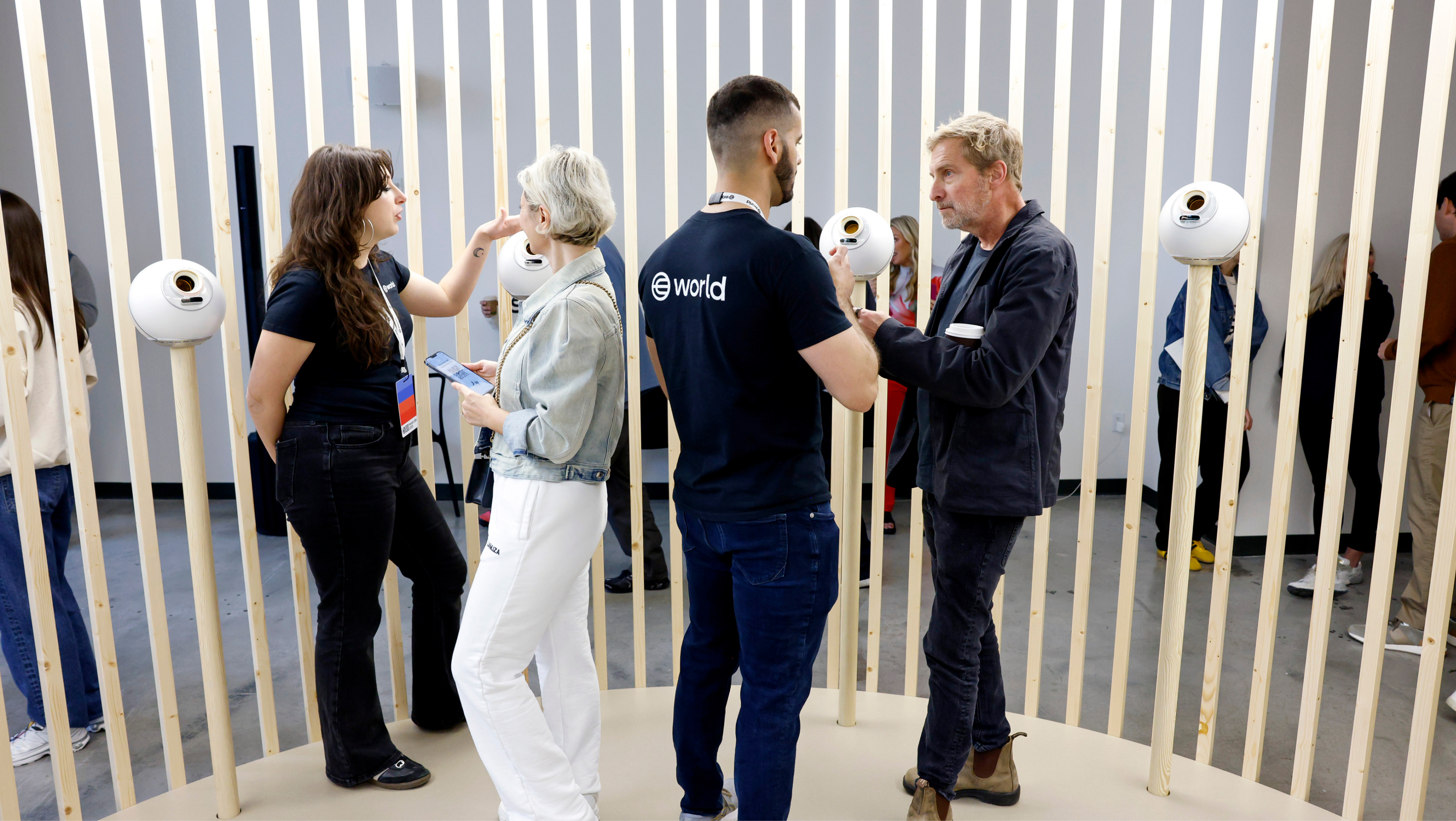
Para consolidar la red de humanos reales, World lanzó WLD, un token diseñado para impulsar la participación activa y el compromiso a largo plazo en todo el ecosistema. Desde su lanzamiento, aproximadamente 16 millones de personas verificadas han reclamado WLD. En total, se han repartido más de 900 millones de WLD a usuarios de World Network a través de bonos y recompensas por recomendación.
Fase 3: Incentivar su adopción y empezar a generar utilidad
World se encuentra actualmente en la Fase 3 de The Simple Plan.
- 1.
Crear una prueba de humano privada
- 2.
Lanzar y consolidar la red mediante la distribución de tokens
- 3.
Incentivar su adopción y empezar a generar utilidad
- 4.
Acelerar el crecimiento de la red y avanzar hacia la descentralización
- 5.
Alcanzar escala global y garantizar que la IAG beneficie a todos
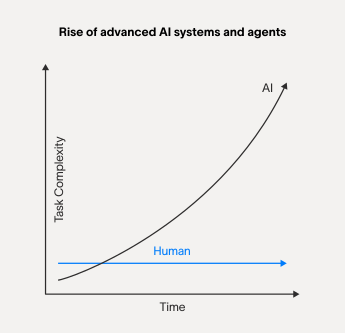
Hay dos fuerzas que están impulsando a World hacia la Fase 3. La primera es la rápida aparición de sistemas y agentes de IA cada vez más sofisticados. La segunda es el lanzamiento de World ID 4.0, una infraestructura preparada para empresas y diseñada para soportar implementaciones e integraciones a gran escala. En esta nueva fase, el crecimiento de la red también deja de depender de los incentivos basados en tokens para apoyarse cada vez más en la utilidad real. Este cambio redefine la forma de construir y escalar la red, así como los equipos necesarios para hacerlo posible.
Dar utilidad a la red de humanos reales
Con el avance de los sistemas de IA, la prueba de humano privada se está convirtiendo en una pieza esencial de la infraestructura de internet.
Es por eso que World ha centrado sus esfuerzos en extender la utilidad de la prueba de humano a tres áreas clave: empresas, personas y agentes de IA. En cada una de ellas, ya colabora con líderes del sector.
Organizaciones destacadas durante el Lift Off
Para acelerar la adopción, los requisitos de talento de la red están evolucionando y World está conformando equipos dedicados que reflejan la oportunidad y necesidad que se presenta. Esto incluye la creación de un equipo de alianzas e integraciones enfocado en las tres áreas donde la prueba de humano es esencial: empresas, personas y agentes de IA. También implica la creación de un equipo comercial enfocado en llevar productos basados en la prueba de humano, como World ID for Zoom, a las organizaciones que los necesitan.
World ID para empresas
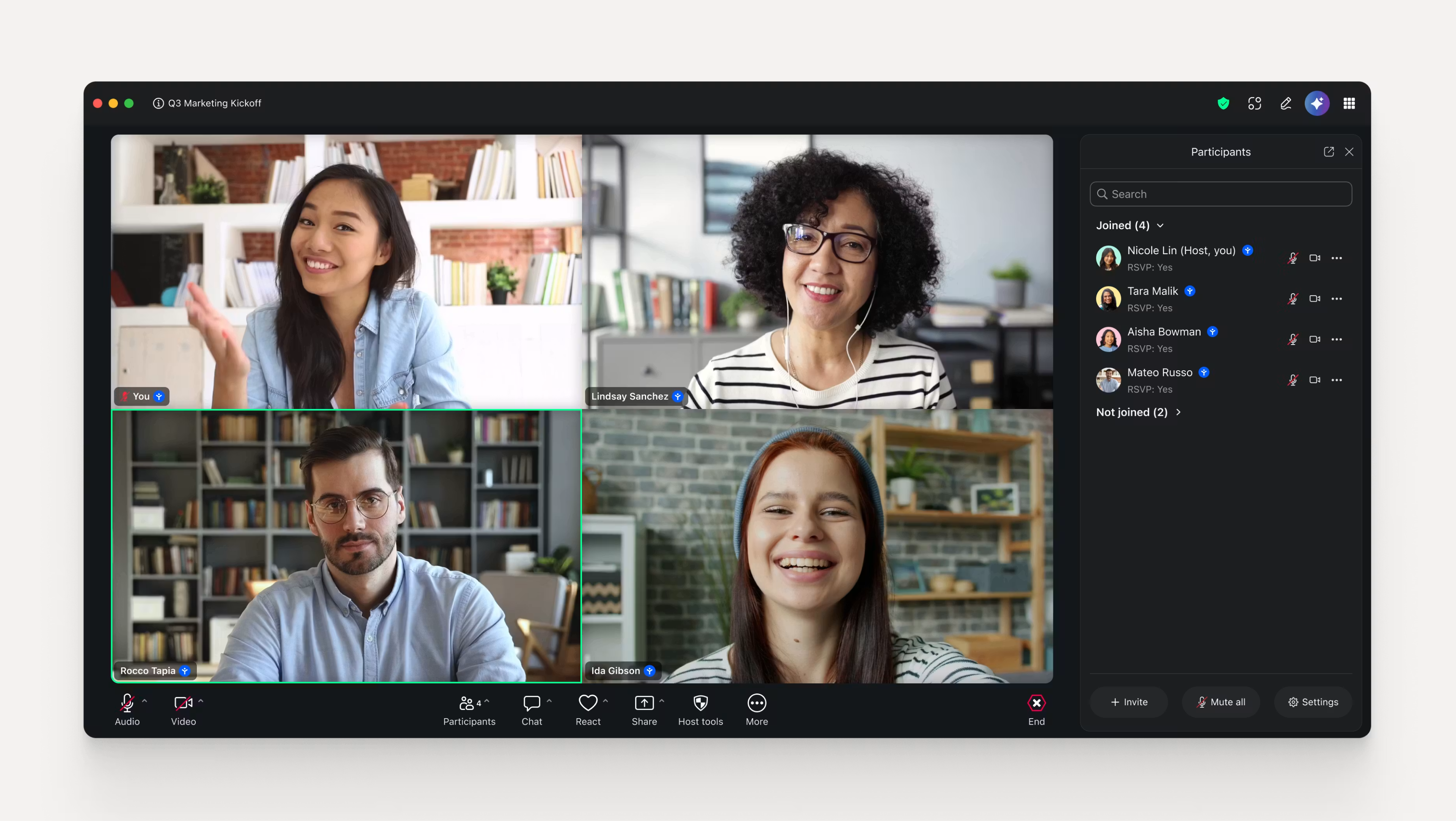
Las organizaciones ya destinan importantes recursos a la ciberseguridad y la infraestructura de acceso. Los sistemas actuales pueden verificar Pruebas, permisos y patrones de comportamiento, pero no siempre pueden responder a una pregunta más básica: ¿la persona al otro lado de la interacción es realmente quien debería ser? ¿O alguien está suplantando su identidad? World ID ayuda a resolver este problema. Al integrar tecnologías de Prueba de humanidad como World ID para Zoom en sus sistemas, las organizaciones pueden añadir una capa adicional de confianza a las interacciones digitales más sensibles.
Gracias a su trabajo con Zoom, Docusign y Outtake, la prueba de humano de World aporta confianza a las comunicaciones en vivo, la firma de documentos y las interacciones digitales donde verificar que hay una persona real al otro lado es fundamental.
Estas capacidades son cada vez más críticas a medida que crecen los casos de suplantación, fraude y ataques de identidad sintética generados con IA. Solo en 2025, más de la mitad de las organizaciones declararon pérdidas económicas relacionadas con deepfakes o fraudes de voz generados por IA. De media, estas pérdidas superaron los 280 000 $ por incidente, y casi una de cada cinco organizaciones perdió 500 000 $ o más. Según Deloitte, las pérdidas provocadas por fraudes con IA generativa en Estados Unidos podrían pasar de 12 300 millones de dólares en 2023 a los 40 000 millones de dólares en 2027.
World ID para personas
La confianza en muchos de los servicios digitales que usamos a diario se está debilitando. Por eso, World trabaja para llevar la prueba de humano a espacios donde la autenticidad y la equidad resultan esenciales, como las apps de citas, los videojuegos y las plataformas de venta de entradas.
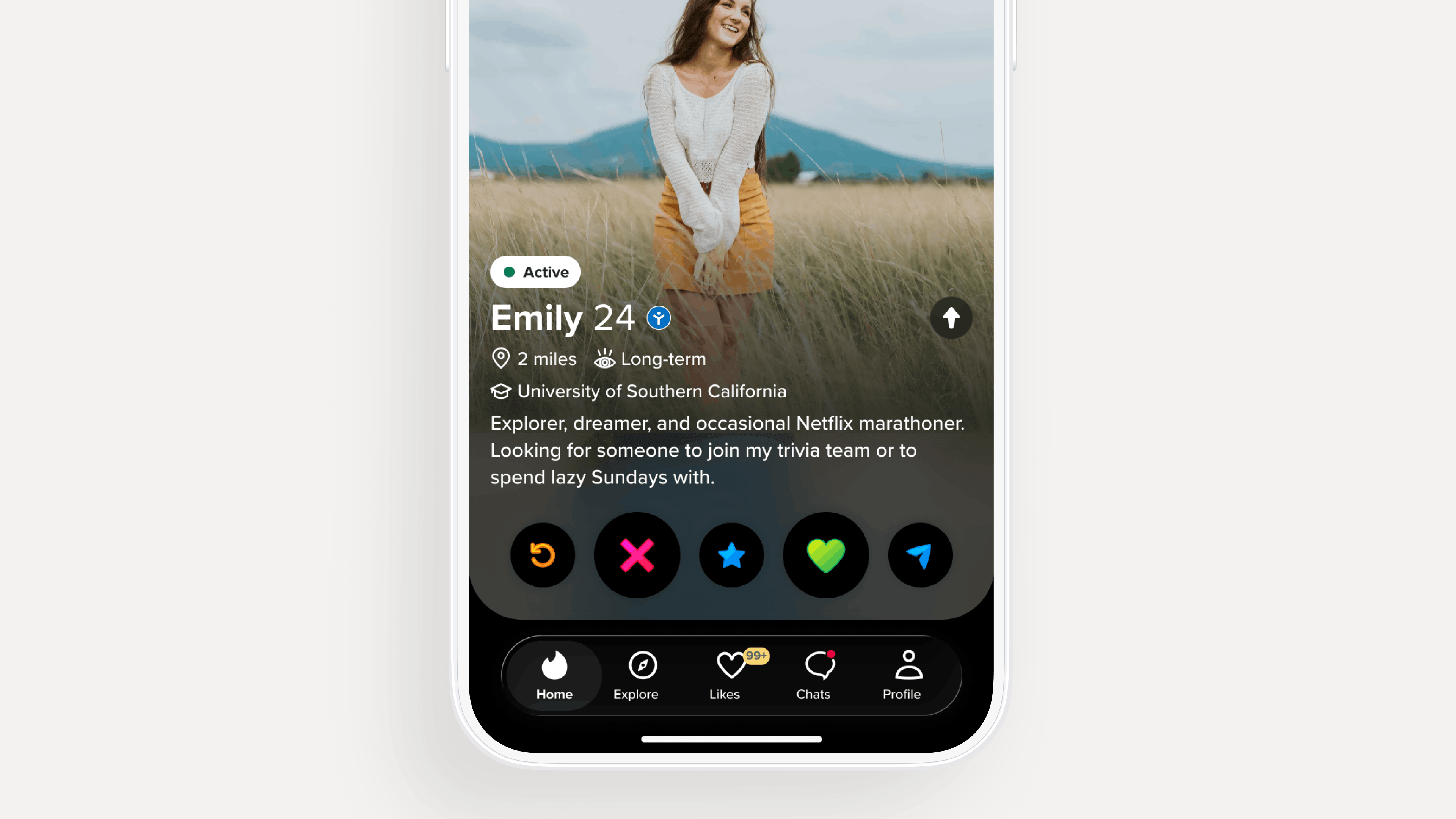
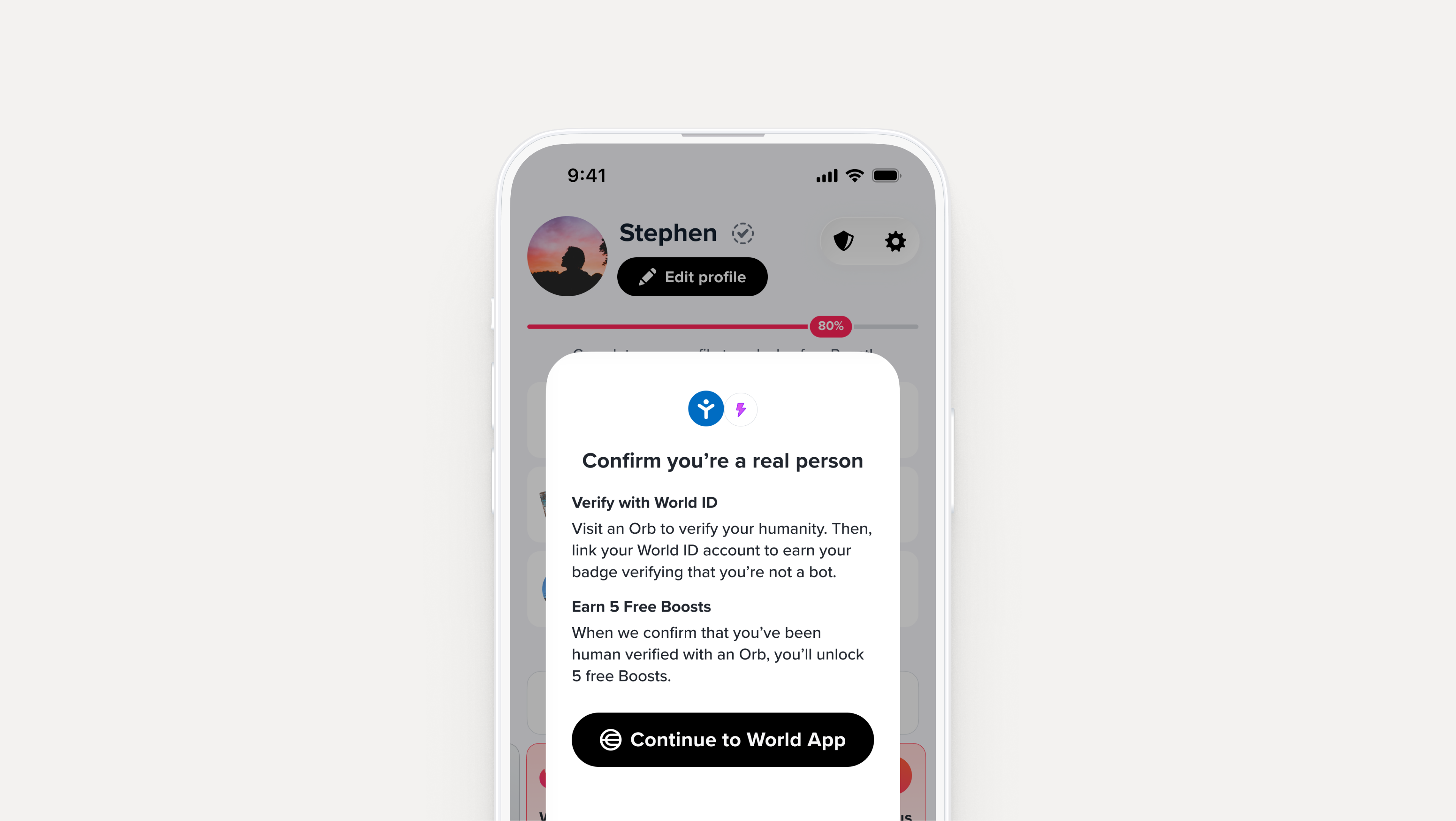
A través de su alianza con Tinder, World ofrece a los usuarios una forma privada de confirmar que detrás de un perfil hay una persona real. La integración ya está disponible y representa una de las primeras implementaciones de la prueba de humano en servicios de consumo a gran escala.
World también ha presentado recientemente Concert Kit, una nueva herramienta impulsada por World ID que permite a los artistas reservar entradas para personas verificadas. Concert Kit busca poner freno a uno de los grandes problemas de los eventos en vivo: la compra masiva de entradas por parte de bots que deja a muchos fans sin opción. Ya son varios los artistas que se han comprometido a probar Concert Kit. En su gira de 2027, Thirty Seconds to Mars reservará una parte de sus entradas para humanos verificados.
Al mismo tiempo, plataformas como Reddit han mostrado interés en explorar soluciones privadas como World ID para ayudar a distinguir a los usuarios reales de las cuentas automatizadas.
World ID para agentes
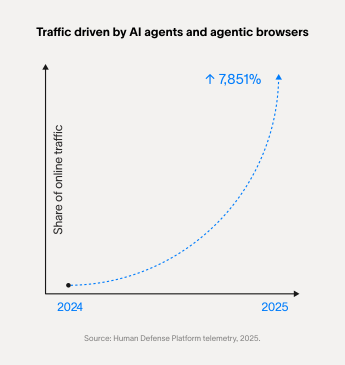
Internet ya no es un espacio exclusivamente humano: los agentes de IA están ganando terreno rápidamente y empiezan a tener un peso cada vez mayor en la actividad online. En 2025, el tráfico de agentes de IA y navegadores con capacidades agénticas creció un 7851 % interanual, según un análisis de más de un cuatrillón de interacciones online. Sin embargo, este cambio también está difuminando la línea entre el tráfico legítimo y el malicioso. Y es que los agentes de IA ya pueden realizar muchas acciones online que antes asociábamos solo a personas: navegar por páginas web, completar tareas, hacer compras e interactuar con sistemas digitales.
La infraestructura de confianza de internet no fue diseñada para esta realidad. Para afrontar este cambio, World introdujo AgentKit, que expande la prueba de humano a los flujos de trabajo agénticos mediante tres capacidades clave: delegación de agentes, verificación humana en el proceso y comercio agéntico. Estas bases permiten a los desarrolladores crear sistemas donde los agentes puedan operar en nombre de humanos verificados, solicitar aprobación humana verificable para acciones sensibles y establecer nuevos estándares de confianza en las interacciones en línea.
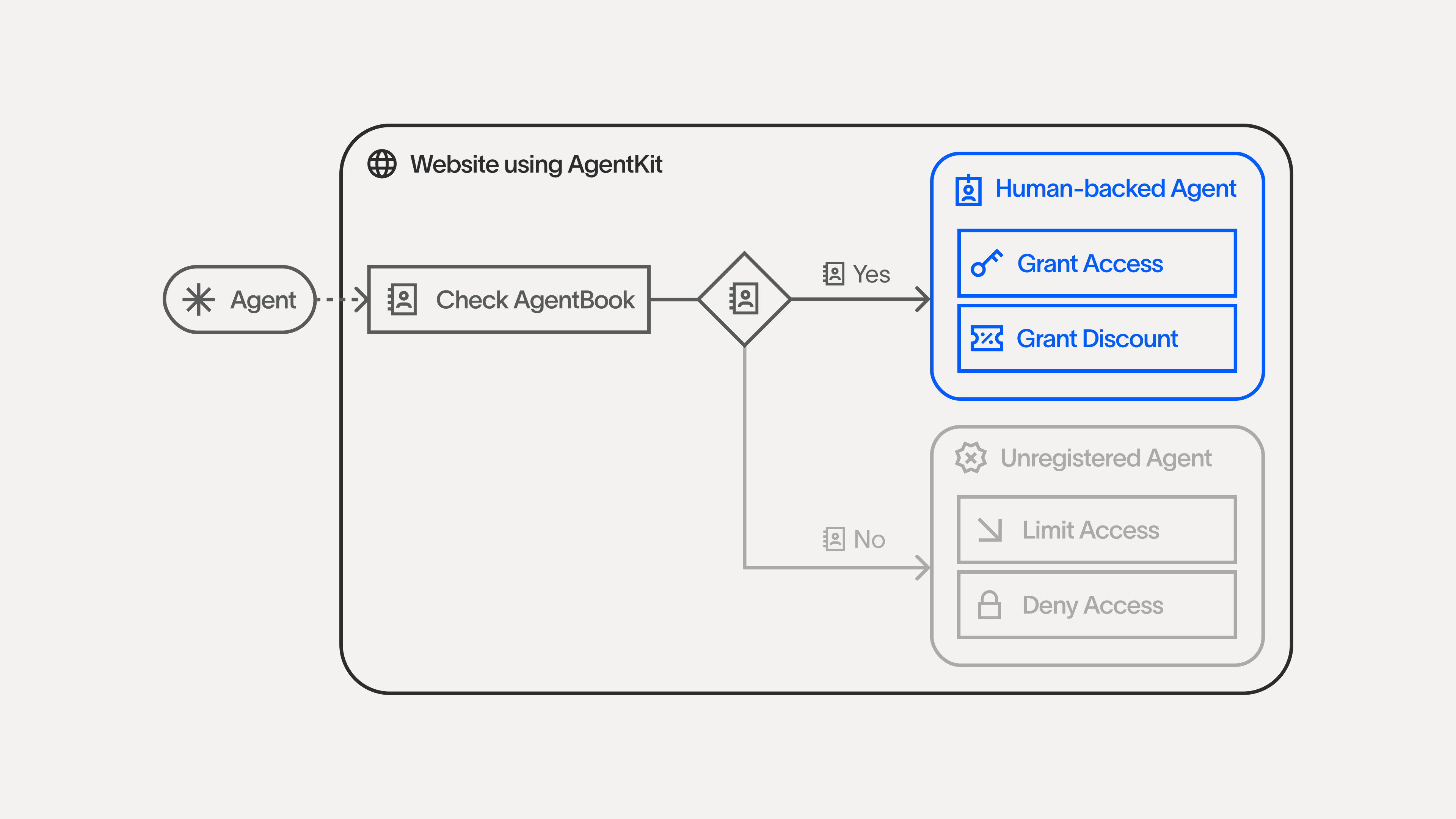
World y el equipo de Tools for Humanity están trabajando con organizaciones como Okta, Vercel, Shopify, Coinbase, Exa y Browserbase para llevar la prueba de humano a la próxima generación de sistemas impulsados por IA.
La utilidad como motor de crecimiento
A medida que aumenta la utilidad de la red, World está adaptando su modelo de crecimiento para centrarse cada vez más en los usos reales y en la participación dentro del ecosistema. En las primeras fases del proyecto, los incentivos con tokens jugaron un papel importante para impulsar la adopción y la participación en la red. Ahora, World entra en una nueva etapa en la que el crecimiento dependerá sobre todo del valor real que aporten los productos, servicios y experiencias impulsados por World ID.
Por ejemplo, los usuarios con un World ID verificado ya pueden recibir recompensas como Boosts en Tinder o acceso a experiencias exclusivas a través de socios e integraciones del ecosistema.
Una estrategia operativa centrada en la utilidad y la adopción
A medida que entra en la Fase 3 de The Simple Plan, World está adaptando su operativa para reforzar su presencia en los mercados donde la utilidad de la red es más evidente. Esto implica priorizar un grupo clave de países en los que los productos y servicios basados en la prueba de humano ya muestran señales claras de adopción. En esta etapa, el foco no estará tanto en llegar a más territorios como en concentrar esfuerzos allí donde haya más uso, más integraciones empresariales y mayores oportunidades de generar valor real.

En Estados Unidos, esto supone centrarse en San Francisco y Nueva York. San Francisco concentra buena parte del talento tecnológico que definiendo al futuro de internet. Nueva York aporta otro tipo de oportunidad: instituciones financieras y marcas de consumo donde la prueba de humano puede generar una utilidad inmediata a través de productos como Deep Face y Concert Kit. Fuera de Estados Unidos, World pondrá el foco en Reino Unido, Alemania, Japón y Corea del Sur. El objetivo es empezar por unas pocas ciudades clave, construir una presencia sólida, comprobar qué funciona y escalar desde ahí.
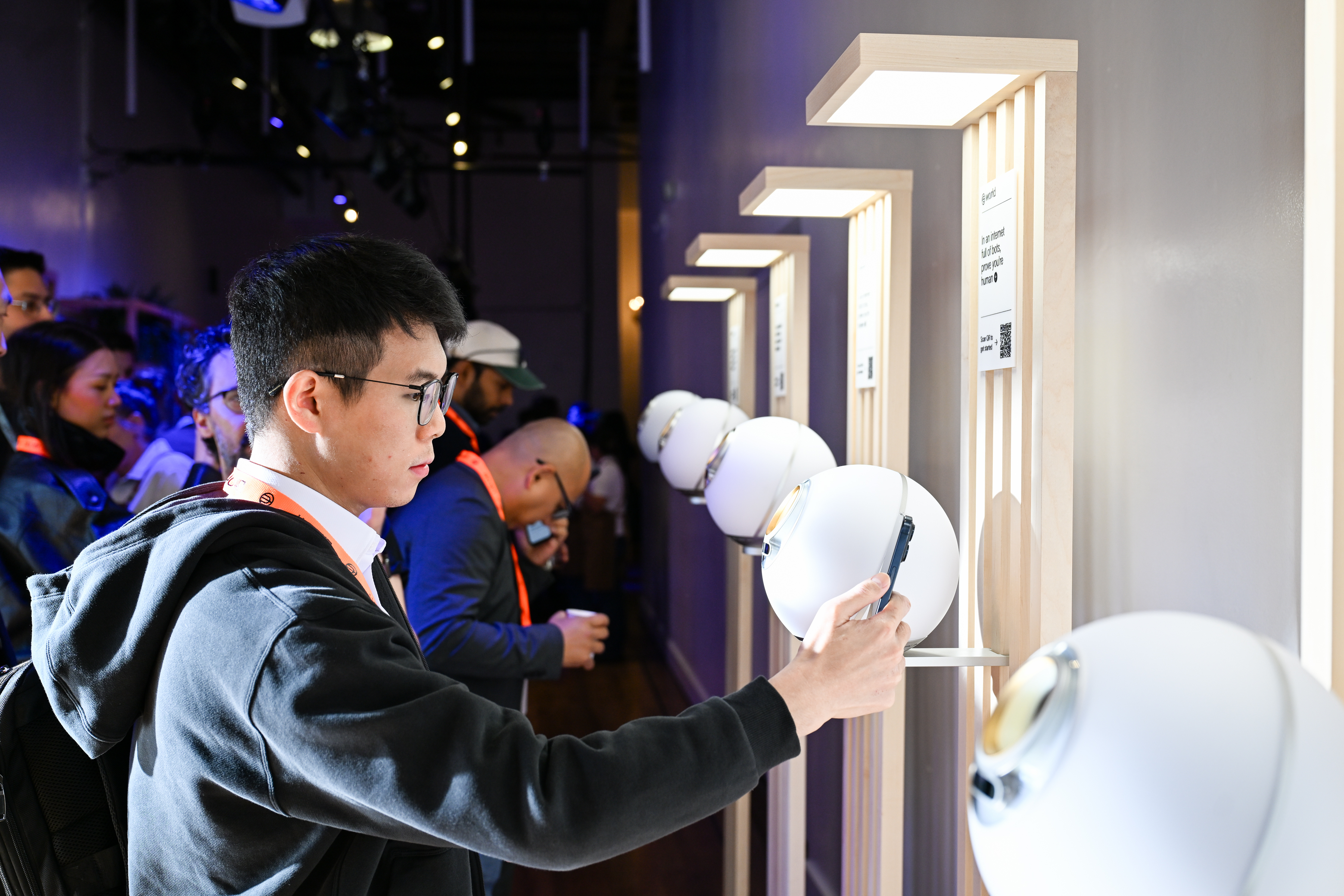
En paralelo a este enfoque geográfico, también están evolucionando el hardware y los métodos de implantación local. La próxima generación de Orbs funcionará en modo autoservicio y estará disponible en nuevos formatos. Algunas unidades, además, se instalarán directamente en empresas asociadas. World aspira a que el 95 % de todos los Orbs operen bajo este modelo para finales de 2026. El objetivo es ganar eficiencia y permitir que el proyecto crezca con mayor rapidez. Además, World sigue desarrollando un nuevo formato destinado a mejorar la portabilidad, disminuir el coste por unidad y aumentar la escalabilidad.
Como parte de esta transición, y para hacer un uso más eficiente de los recursos, World y las organizaciones que apoyan el proyecto reducirán su presencia operativa física fuera de los países definidos como prioritarios. Estos cambios afectarán a parte de la plantilla global, así como a los equipos que dan soporte a dichas operaciones. Su trabajo ha sido clave para construir la red de World desde sus inicios y ha permitido llevar la prueba de humano a decenas de millones de personas en todo el mundo. Estamos profundamente agradecidos por su trabajo y por todas sus aportaciones.
Comisiones de World ID y monetización del protocolo
World ID 4.0 permite a los emisores de credenciales y al protocolo de World monetizar el uso de la prueba de humano a través de las comisiones de World ID. El modelo previsto contempla que las aplicaciones que usan World ID paguen esas comisiones, mientras que el uso del protocolo seguirá siendo gratuito para los usuarios finales.
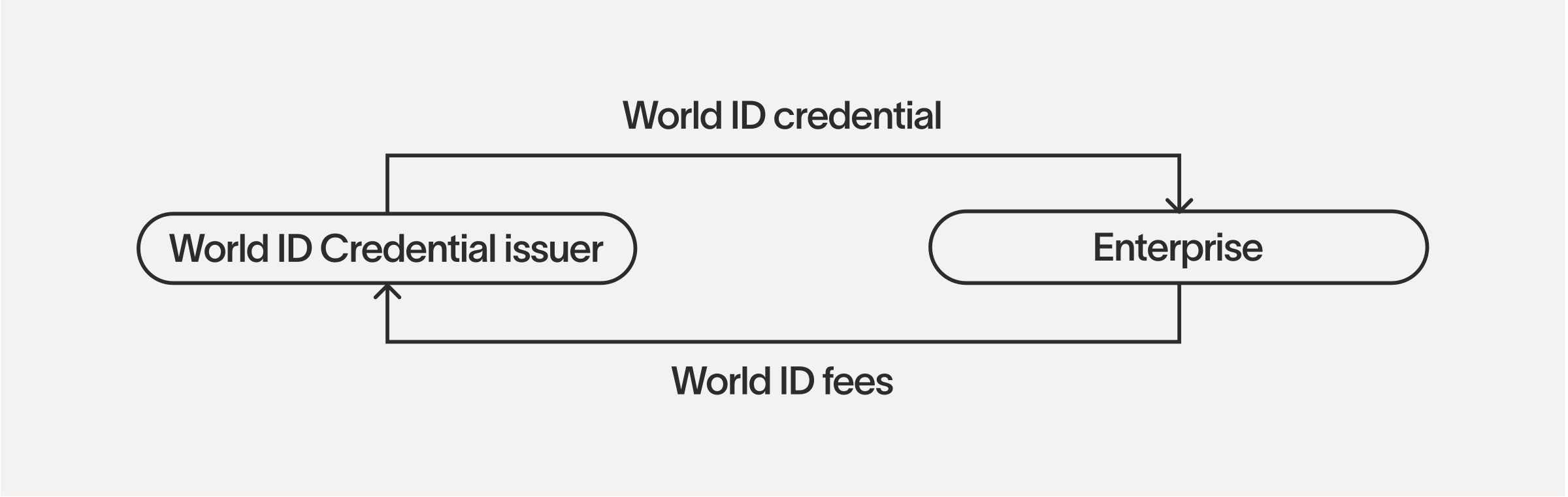
La seguridad empresarial se perfila como la oportunidad de monetización más inmediata. Los anuncios realizados durante el evento de Lift Off junto a Zoom, Okta y Docusign dejaron clara la fuerte demanda de soluciones de verificación humana fiables que hay en el entorno empresarial. En un contexto donde la tecnología deepfake es cada vez más accesible y ya está provocando grandes pérdidas en empresas de distintos sectores, herramientas como World ID y Deep Face son cada vez más importantes para reforzar la seguridad empresarial. Zoom lidera este ámbito gracias a su alianza con el proyecto World, que permitirá integrar la tecnología Deep Face de World ID directamente en su herramienta de reuniones. Durante los próximos 6 meses, se espera que Zoom habilite el uso de Deep Face para empresas a través de su plataforma ISV. Un movimiento clave para abrir una primera vía de ingresos a través de las comisiones de World ID.
Más allá de la seguridad empresarial, World ID puede aplicarse a muchas otras industrias donde los bots, las cuentas falsas y los fraudes a gran escala ya están causando grandes estragos. Es el caso de las redes sociales, las apps de citas, las plataformas de venta de entradas, los videojuegos, la publicidad digital, los agentes de IA y generación de IA, el comercio electrónico, la banca y pagos online, la tecnología blockchain, los servicios públicos, la economía colaborativa y el sector turístico. Estas industrias generan billones de dólares en ingresos anuales, lo que podría traducirse a largo plazo en una importante fuente de ingresos a través de las comisiones de World ID.
Fase 4: Acelerar el crecimiento de la red y avanzar hacia la descentralización
A medida que crezcan la utilidad y la adopción de la red, también evolucionará la forma en que se gestiona el ecosistema. La gobernanza, la infraestructura y la participación avanzarán hacia un modelo más abierto, con mayor propiedad comunitaria y una participación más amplia.
La descentralización sigue siendo una prioridad. Para que la prueba de humano pueda convertirse en una infraestructura fiable para personas, empresas y gobiernos, no puede depender de una única entidad. Con ese objetivo, World está trabajando para liberar más partes del código del protocolo y facilitar que desarrolladores y emisores de credenciales creen soluciones sobre él de forma independiente.
Fase 5: Alcanzar escala global y garantizar que la IAG beneficie a todos
La fase final de The Simple Plan no ha cambiado: garantizar que los beneficios de la IA lleguen a todos. A medida que la IA siga transformando la economía, la prueba de humano será cada vez más necesaria para preservar la confianza, permitir la participación y distinguir a las personas en un mundo donde la inteligencia sintética no deja de crecer.
Cada fase de The Simple Plan sienta las bases de la siguiente.

La red de humanos reales
Las experiencias digitales funcionan mejor cuando sabes que hay una persona real detrás. La red de humanos reales cuenta ya con más de 18 millones de humanos verificados y acumula más de 450 millones de usos de World ID. A medida que crece el uso de World ID en empresas y plataformas de consumo, así como el apoyo a los sistemas agénticos, la prueba de humano se consolida como una infraestructura clave para la nueva era de internet.
Para saber más sobre World ID, visita la página de World ID, la documentación para desarrolladores y el whitepaper de World.
Aviso legal
Esta publicación hace referencia exclusivamente a información pública disponible antes de su publicación y no refleja necesariamente planes, compromisos o proyectos futuros. Cualquier función, producto, integración, cifra, valor o conclusión mencionada está sujeta a cambios y puede no desarrollarse tal como se describe o incluso no llegar a desarrollarse. Las referencias a la propiedad de la red y a la utilidad del token son meramente ilustrativas y no implican garantía alguna de que ocurran como se presentan. Esta publicación no constituye una oferta de venta ni una solicitud de compra de valores, tokens u otros activos, ni debe servir como base para tomar decisiones de inversión, legales, financieras o de otra naturaleza.