
This year marked a turning point. What began as an ambitious vision for a real human network became something tangible: a global movement of verified humans, building trust in an age increasingly shaped by artificial intelligence.
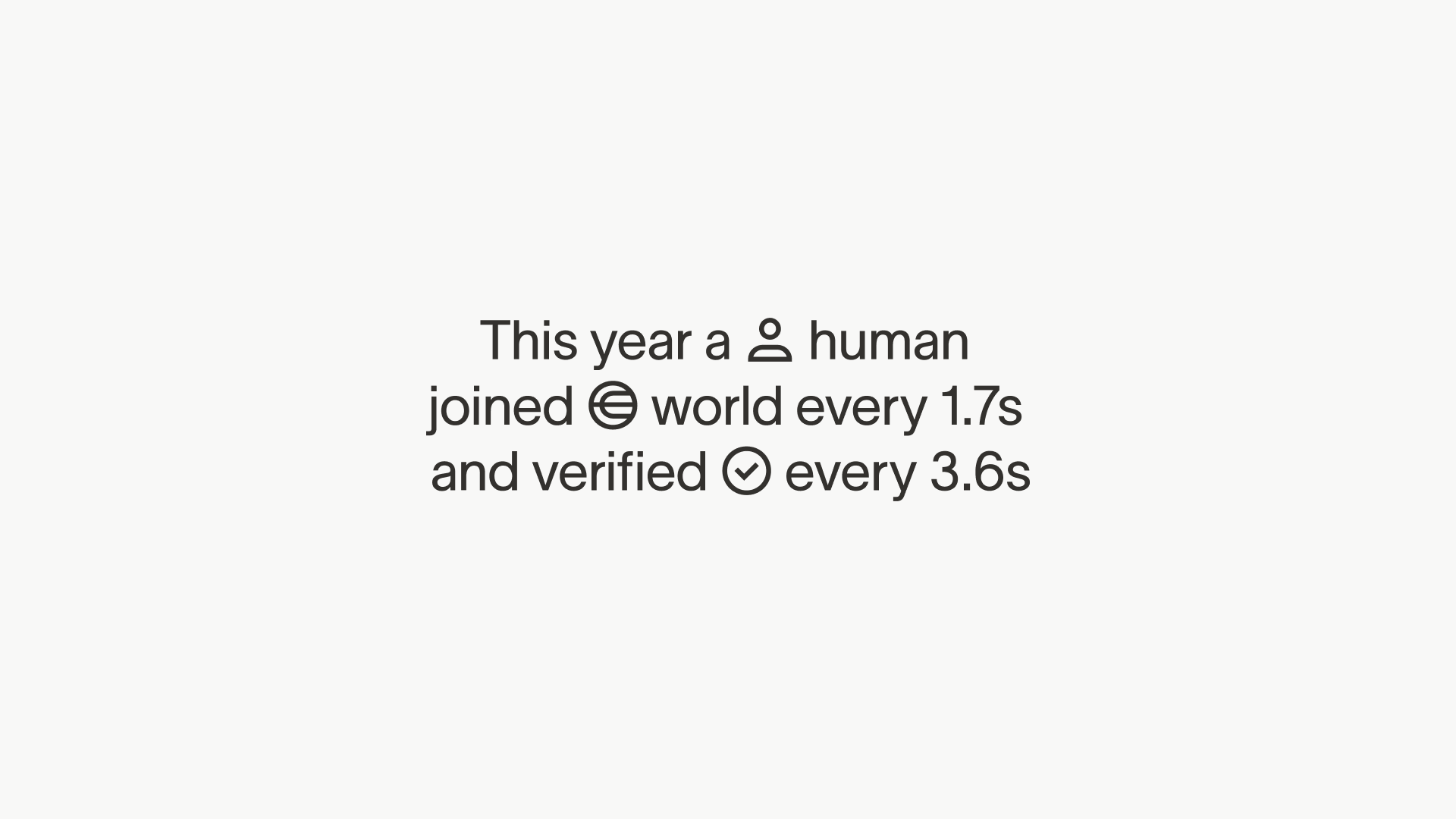
The numbers tell part of the story. World grew to nearly 38 million users, with [insert real-time ticker of Orb-verified humans] verified humans spanning six continents. In 2025, someone signed up for World App every 1.7 seconds. Every 3.6 seconds, another person verified. In September, World App became the most-used self-custody digital wallet globally by monthly active users. Mini Apps saw two billion opens in just over a year.
But the numbers only hint at what 2025 really meant for World. The full picture emerges through the places we went, the technology we built, and the partnerships we forged.
"The Internet will inevitably need some kind of proof-of-humanity system in the near future." pic.twitter.com/JjsRnL1sDc
— World (@worldcoin) May 27, 2025
Going global
This year saw World expand to new markets in Europe and Asia, including the UK and Taiwan. Each launch expanded access to Proof of Human verification to millions more people.
Then came the homecoming. The United States launch brought World to the birthplace of the AI revolution. The San Francisco flagship opening in Union Square garnered front-page coverage in the San Francisco Chronicle and brought together civic leaders including Mayor Daniel Lurie and Governor Gavin Newsom.


Technology that serves humans
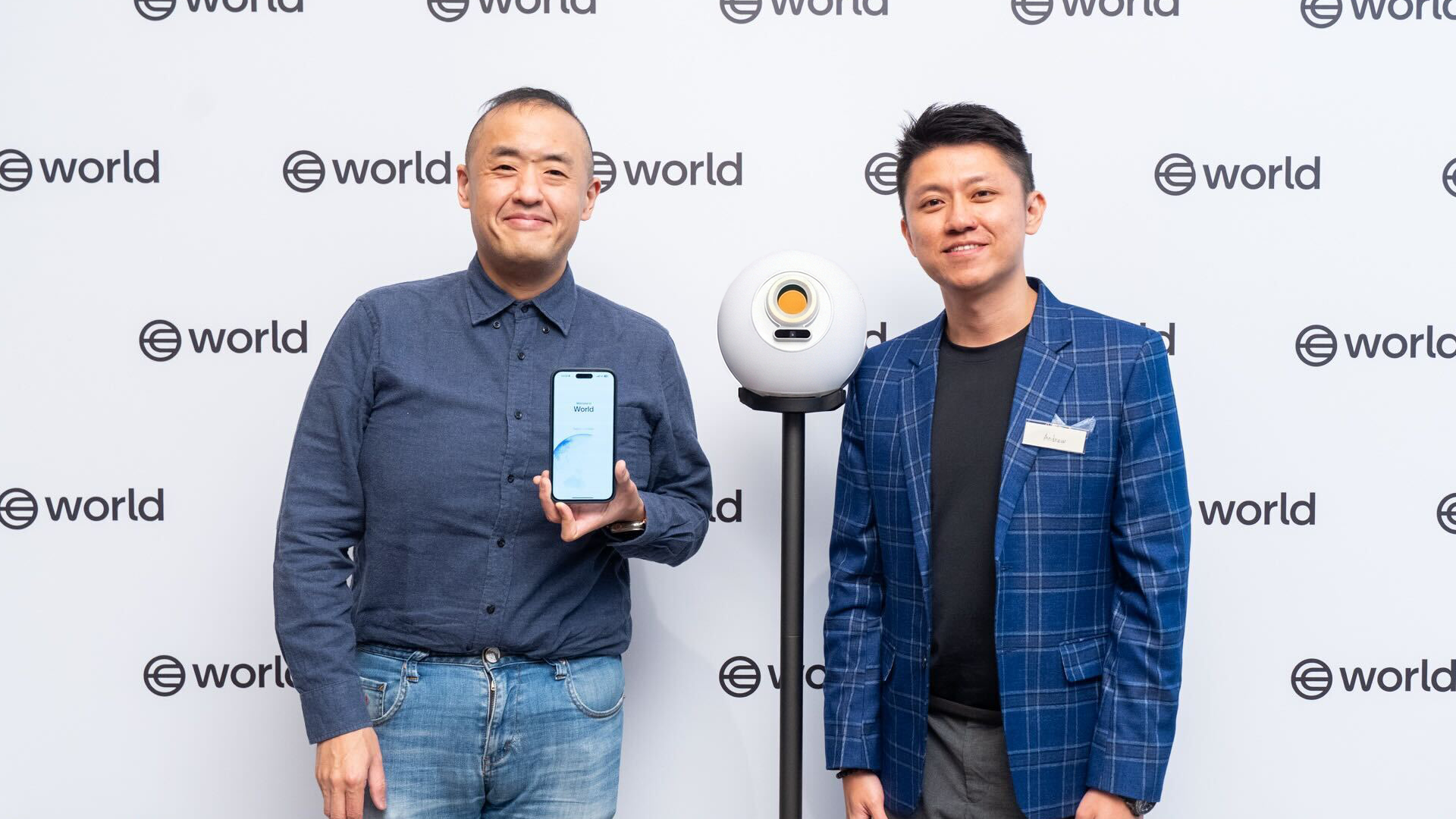
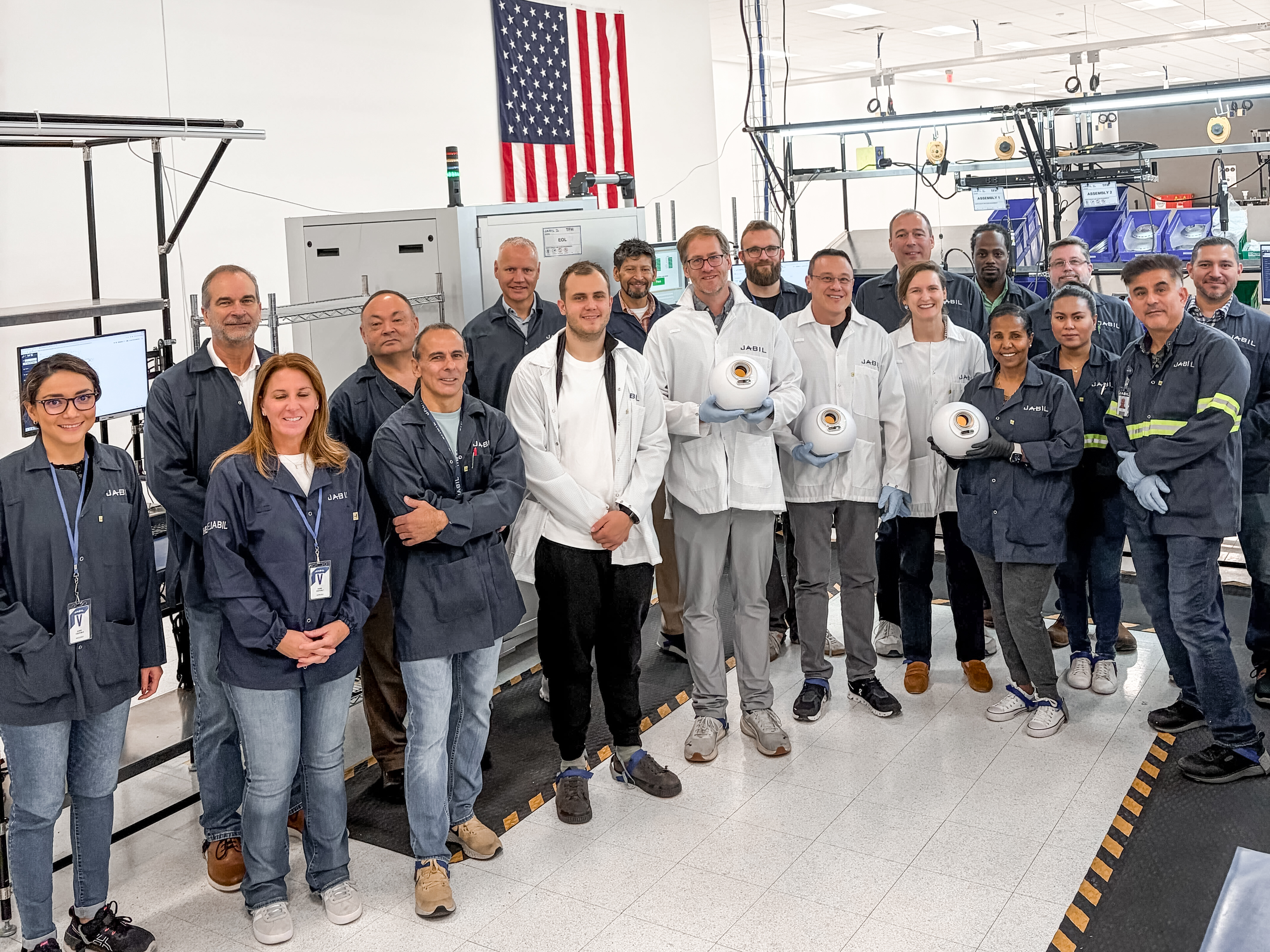
Reaching this many people required hardware that could scale. Our next-generation Orb entered production this year, powered by NVIDIA Jetson processors with nearly 5x the AI performance of previous versions, along with both visible light and infrared sensors. A new manufacturing facility in Richardson, Texas brought production to American soil, enabling unprecedented scale with 30% fewer parts and full auditability. In October, we open-sourced the new Orb hardware, reinforcing our commitment to transparency.
World App: the super app for humans
Hardware brings people in. Software keeps them engaged. The new World App, unveiled in December, represented a complete reimagination of how humans connect, move digital assets, and participate in the global economy. World Chat brings end-to-end encrypted messaging with visual distinction between verified humans and unverified accounts. Virtual accounts in 18 countries let individuals receive paychecks directly in USDC. The Earn feature offers verified humans competitive rewards. And with 500+ Mini Apps live—from prediction markets to DeFi lending—the platform has become a thriving ecosystem where Proof of Human unlocks new possibilities.
The new World App: secure chat, global payments and Mini Apps for everyone. pic.twitter.com/MzmwB8djjb
— World (@worldcoin) December 11, 2025
Partnerships for real humans
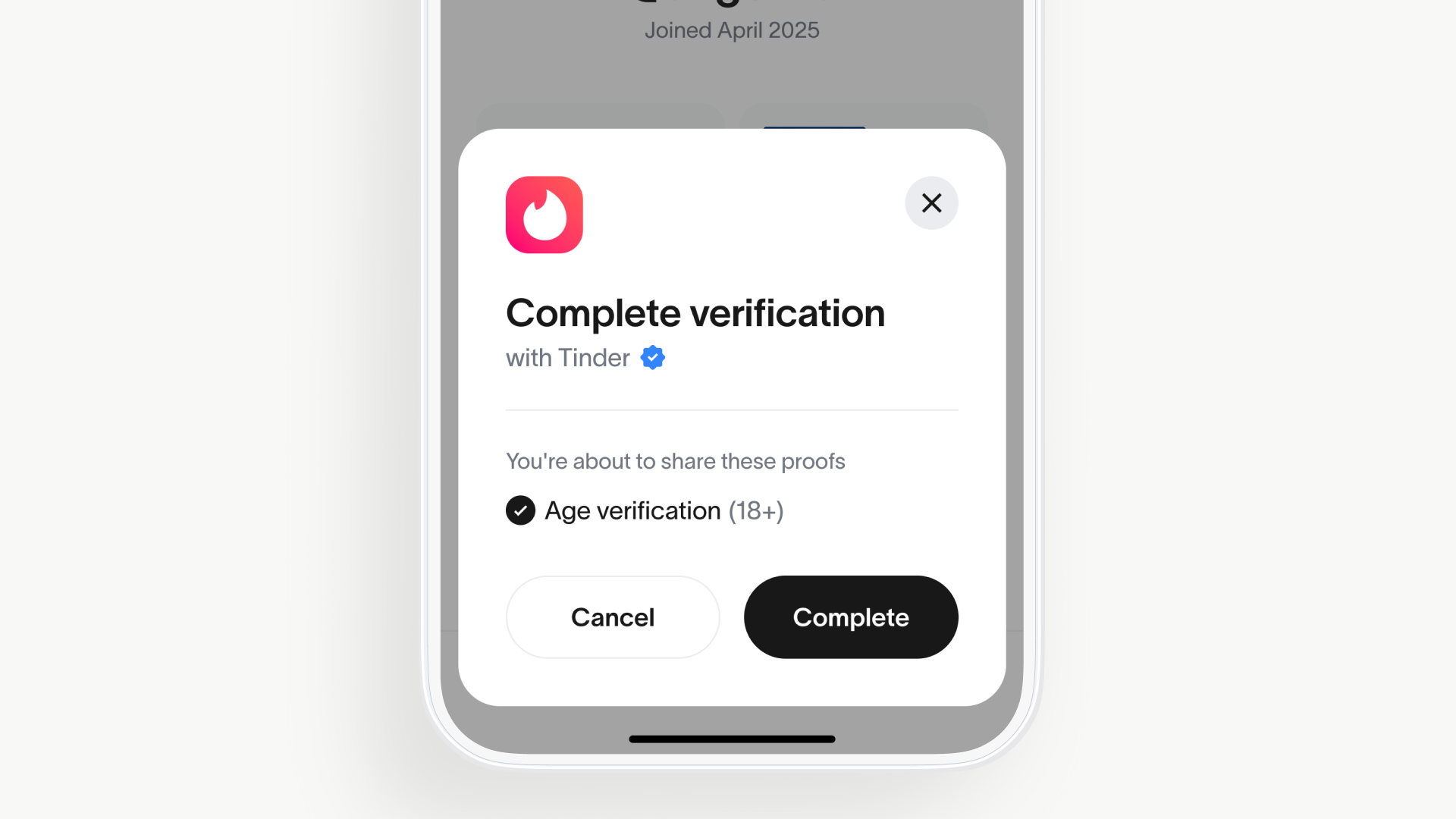
Building the real human network means meeting people where they already are. The Match Group partnership brought Proof of Human verification to online dating, addressing the 60% of users who've suspected a match was a bot. Razer ID integration prioritized human gamers. And Mythical Games announced plans to bring millions of players to the real human network.
Looking ahead
As artificial intelligence reshapes what's possible, World creates the foundation for humans to participate with agency and authenticity. The path forward depends on continued iteration, expanded access, and deeper integration with the platforms people use every day.
The question that drove our founding remains our north star: how do we ensure technology advances humanity rather than replaces it? This year's progress represents meaningful answers. The real human network is no longer a vision. It's here, it's growing, and it's just getting started.
Join the movement at world.org.
Unisciti alla vera rete umana.
Scarica l'app World IDArticoli correlati

Announcements ·
Muse, dots, Instinct, and the question every agent will be asked
Announcements ·
Product ·
peaqOS brings World ID to physical AI and the machine economy
Announcements ·
Putting human fans first in the ticket queue: a global look at the ticketing bot challenge
Announcements ·