

Gli strumenti che utilizziamo ogni giorno, dai meeting su Zoom agli accordi su Docusign, e le organizzazioni che li hanno creati, comprendono sempre più l'importanza della prova di umanità in un mondo guidato dagli agenti. Con il nuovo World ID, il protocollo soddisfa i requisiti per l'implementazione aziendale: scalabilità, supporto multi-chiave, rotazione delle chiavi, ripristino e gestione delle sessioni. Introduce inoltre un elemento che mancava nello stack di sicurezza aziendale: la continuità umana ad alta affidabilità.
Perché la prova di umanità è importante per le aziende
Le organizzazioni investono già pesantemente in infrastrutture di sicurezza: protezione degli endpoint, architetture zero-trust, gateway e-mail, autenticazione a più fattori. Questi sistemi sono efficaci nel verificare le credenziali e monitorare il comportamento, ma sono meno attrezzati per rispondere a una domanda più fondamentale: l'individuo all'altro capo di questa interazione è la persona reale e unica che dichiara di essere?
I modelli di fiducia odierni si basano sulla continuità del dispositivo: qualcosa che hai e qualcosa che sai. Una credenziale e una password. Una chiave hardware e un PIN. Il sistema si fida del dispositivo e presume che dietro di esso ci sia la persona giusta.
Questa ipotesi è l'anello più debole, e i progressi dell'IA lo stanno rendendo ancora più fragile.
Phishing, furto delle credenziali, ingegneria sociale e hijacking delle sessioni, oggi sono i principali vettori di attacco contro le aziende; tutti sfruttano lo stesso vuoto: il sistema verifica il dispositivo, non la persona.
Il World ID cambia questo paradigma. La continuità del dispositivo lascia il posto alla continuità umana. La persona autorizzata a compiere un'azione è quella che la autentica: non solo il suo dispositivo, non solo la sua credenziale, ma lei stessa.
Questa garanzia non comporta l'esposizione di dati personali: la parte facente affidamento apprende solo ciò che ha bisogno di sapere: qui c'è una persona reale e unica.
World ID: costruito per le aziende
Il nuovo World ID rende la continuità umana pratica su scala aziendale.
Il supporto multi-chiave e un'architettura basata sull'account significano che un World ID non è più legato a un singolo dispositivo o applicazione, offrendo ai team IT e di sicurezza, l'interoperabilità e l'indipendenza dai fornitori che si aspettano da un'infrastruttura di produzione. La rotazione delle chiavi consente alle organizzazioni di rispondere a una compromissione senza perdere l'accesso. I meccanismi di ripristino garantiscono la continuità negli scenari peggiori. Infine, la gestione delle sessioni permette alle parti interessate di confermare che la stessa persona reale e verificata sia presente durante un'interazione continua, fondamento della continuità umana nella pratica.
Tutto questo opera sul principio "niente dati, niente problemi". Le prove di World ID non rivelano informazioni personali. Non esiste un database di record dell'utente o informazioni personali che un utente malintenzionato possa rubare, nessuna responsabilità sui dati da gestire per l'azienda e nessuna infrastruttura di sorveglianza da mantenere.
L'integrazione è semplice grazie a IDKit, che fornisce agli sviluppatori gli elementi fondamentali di cui hanno bisogno per portare la prova di umanità nei sistemi di produzione.
Zoom: protezione dai deepfake in tempo reale per i meeting
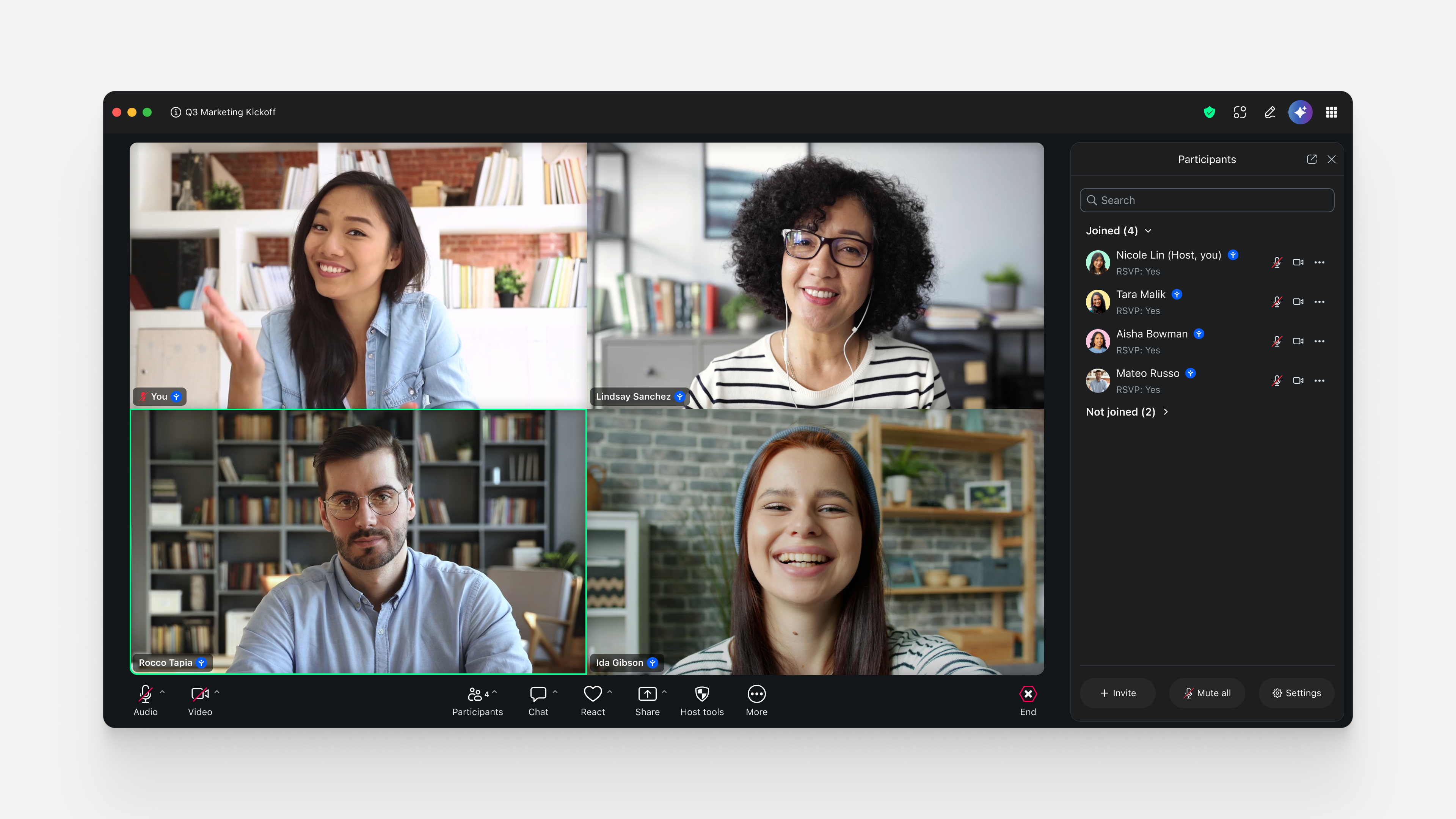
La maggior parte degli approcci alla protezione dai deepfake analizza i fotogrammi video cercando di individuare flussi falsi. Con il miglioramento dei modelli, questa diventa una corsa agli armamenti in cui i difensori devono cercare di restare in vantaggio. La rilevazione migliora, ma lo stesso vale per la sintesi. E basta un solo segnale mancato per causare danni reali.
Il World ID adotta un approccio fondamentalmente diverso. Invece di limitarsi a cercare di rilevare se un flusso video è falso, World ID Deep Face permette di confermare che la persona con cui stai parlando è una persona reale, non un deepfake. L'interlocutore può facilmente dimostrare di non essere un deepfake in pochi passaggi tramite l'autenticazione facciale, passando dalla rilevazione alla prova di presenza in tempo reale.
Zoom è la prima piattaforma di comunicazione a offrire l'integrazione di Deep Face direttamente nel suo prodotto per i meeting. L'integrazione fornisce una "radice di fiducia" (root of trust) supportata dall'hardware tramite una corrispondenza a tre vie: l'immagine firmata crittograficamente, scattata quando il partecipante si è verificato originariamente presso l'Orb, un selfie Face Auth per la liveness scattato in tempo reale sul dispositivo del partecipante e il fotogramma video dal vivo che gli altri partecipanti vedono sullo schermo. Quando tutti e tre corrispondono, il risultato è la conferma, con elevata affidabilità, che il partecipante alla chiamata sia effettivamente l'utente verificato atteso. L'integrazione analizza solo il video, non l'audio.
L'integrazione include diverse modalità. Gli host possono abilitare una "Deep Face Waiting Room", richiedendo a ogni partecipante di confermare di essere una persona reale prima di unirsi, oppure qualsiasi partecipante può richiedere un controllo Deep Face on-demand di un altro partecipante durante la chiamata. Una volta confermato, nel riquadro del partecipante appare un badge "Persona reale verificata", migliorando la sicurezza della riunione. VanEck Funds, un gestore di investimenti globale, sta partecipando a un beta test limitato dell'integrazione Deep Face con Zoom.
Il modello di privacy è costruito per l'adozione aziendale: Zoom riceve solo un segnale ad alta affidabilità che conferma la presenza della persona prevista.
Docusign: prova di umanità per i contratti di maggior valore
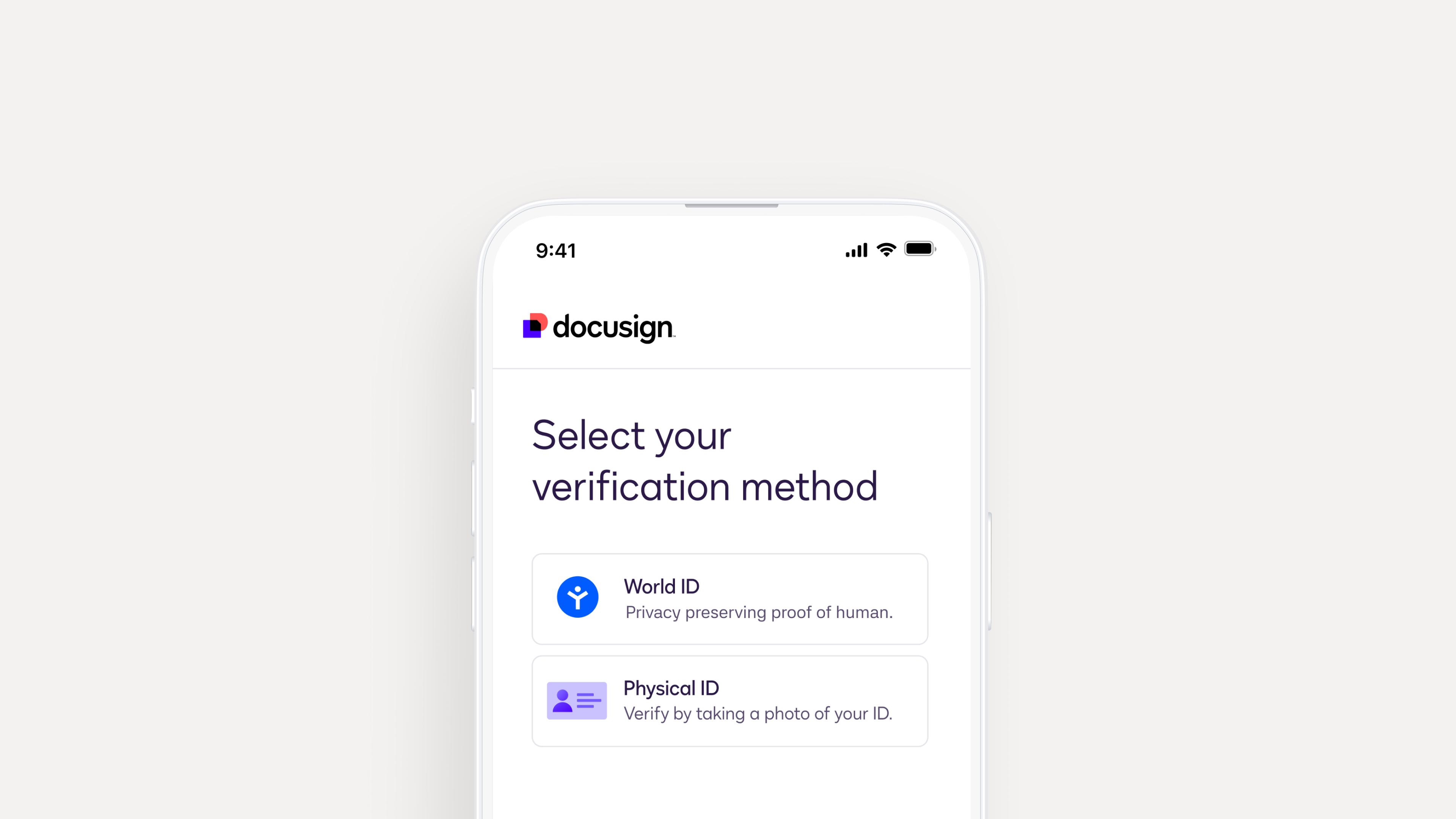
Docusign rende la firma e la gestione degli accordi più semplici per firmatari e aziende, assicurando che le persone che firmano siano responsabili del loro accordo attraverso vari metodi: codici SMS, controlli di liveness, identificazione biometrica e altro ancora. Poiché i flussi di lavoro diventano sempre più automatizzati e assistiti da agenti, le aziende potrebbero desiderare un'opzione per verificare che sia una persona ad autorizzare specifiche azioni.
Per questo motivo, DocuSign e World stanno collaborando per introdurre la prova di umanità nel modello di fiducia della firma dei documenti. Attraverso il World ID, i firmatari possono confermare attributi specifici su se stessi, dimostrando di essere persone reali e non bot. Questo stabilisce le basi per la continuità umana nei flussi di lavoro relativi ai contratti, facendo sì che le azioni, eseguite direttamente o delegate, siano riconducibili a una persona reale verificata.
Outtake: prova di umanità per le email aziendali
Outtake Verify for Email, basato su World ID, porta la continuità umana nelle email aziendali. L'estensione del browser di Outtake firma crittograficamente i messaggi in uscita con la prova che una persona reale verificata abbia inviato il messaggio da un dispositivo e un account specifici. I destinatari vedono un badge "Verificato" che conferma sia l'autenticità del mittente che l'integrità del messaggio. Tools for Humanity ha implementato Outtake Verify in tutta la sua forza lavoro globale, con i team di finanza, recruiting e comunicazioni esecutive che lo utilizzano per messaggi in uscita sensibili.
Un nuovo elemento fondamentale per lo stack di sicurezza aziendale
Ogni integrazione del World ID applica la continuità umana su una superficie diversa: videochiamate, accordi rilevanti, email. Considerate insieme, illustrano un cambiamento più ampio. La prova di umanità sta diventando un elemento fondamentale nell'azienda, operando accanto a zero-trust, rilevamento degli endpoint e threat intelligence come parte di una moderna architettura di sicurezza.
Ciò che rende distintivo il World ID è la sua architettura della privacy. Attraverso le prove a conoscenza zero, il protocollo fornisce una conferma ad alta affidabilità senza esporre dati personali che la parte interessata debba archiviare, proteggere o di cui sia responsabile. La conferma è forte e l'esposizione dei dati è nulla.
Con il World ID e un ecosistema in forte espansione di partner aziendali, la prova di umanità è pronta per la produzione. Per saperne di più sull'integrazione del World ID, visita world.org/world-id.
Unisciti alla vera rete umana.
Scarica l'app World IDArticoli correlati

Announcements ·
Muse, dots, Instinct, and the question every agent will be asked
Announcements ·
Product ·
peaqOS brings World ID to physical AI and the machine economy

Announcements ·
Putting human fans first in the ticket queue: a global look at the ticketing bot challenge
Announcements ·