
World ID คือพลังขับเคลื่อนใหม่อีกระดับขั้นของมนุษย์สำหรับประสบการณ์ในโลกอินเทอร์เน็ตและดิจิทัล ครอบคลุมทั้งแอปสำหรับองค์กรและผู้บริโภค แพลตฟอร์ม และบริการต่าง ๆ
วันนี้ World ได้ปล่อยการอัปเกรดโปรโตคอล World ID ที่สำคัญที่สุดจนถึงขณะนี้ World ID ใหม่คือหลักฐานความเป็นมนุษย์แบบ Full-stack หลักฐานความเป็นมนุษย์ที่จะปลดล็อกการใช้งานใหม่ ๆ บนแพลตฟอร์มสำหรับผู้บริโภค แอปองค์กร และ AI Agent
นอกจากการอัปเกรดโปรโตคอล วันนี้ยังเป็นอีกวันที่เปิดตัวแอป World ID ที่จะเปิดให้บริการเร็วๆ นี้เป็นประสบการณ์เฉพาะที่ออกแบบมาเพื่อให้คุณมีหลักฐานความเป็นมนุษย์อยู่แค่ปลายนิ้วในโลกออนไลน์
ทำไมต้องตอนนี้
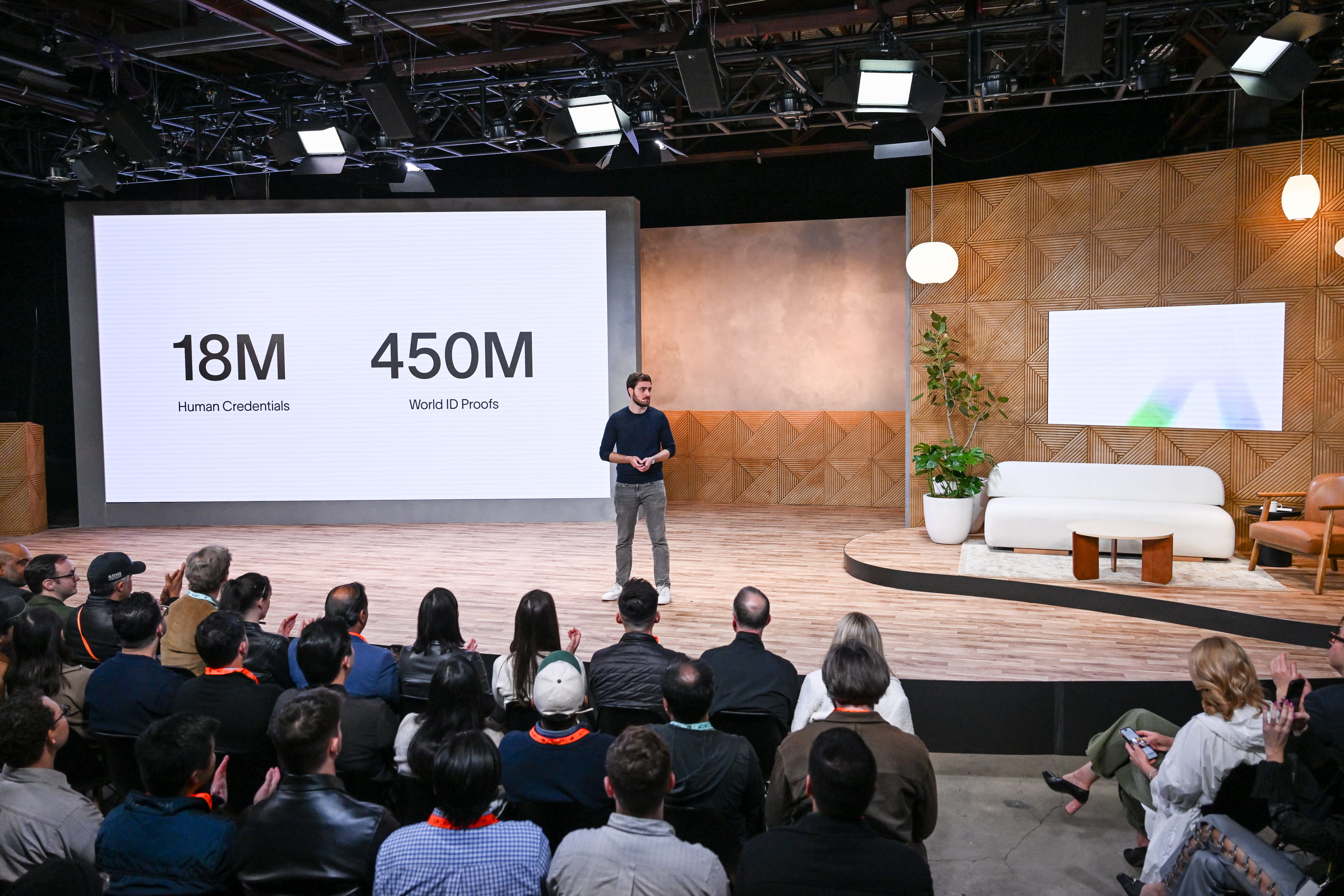
เครือข่ายมนุษย์จริงเติบโตอย่างรวดเร็ว ผู้เข้าร่วม World Network มีอยู่ใน 160 ประเทศ เกือบ 18 ล้านคนได้ยืนยันความเป็นมนุษย์ที่ Orb เพื่อให้สามารถพิสูจน์ว่าเป็นมนุษย์จริง มนุษย์ที่ไม่ซ้ำใครบนโลกออนไลน์โดยไม่ต้องเปิดเผยข้อมูลระบุตัวตน
และด้วยขนาดเท่านี้จึงนำมาซึ่งความคาดหวังใหม่ ๆ
องค์กรต้องการหลักฐานความเป็นมนุษย์ที่มีมาตรฐานการใช้งานสำหรับการปฏิบัติงาน: ทนต่อการโจมตี กู้คืนได้หากสูญเสียการเข้าถึง และทำงานร่วมกับระบบความปลอดภัยที่มีอยู่ได้เต็มที่ ขณะที่ผู้บริโภคก็คาดหวังสิ่งที่แข็งแกร่งไม่แพ้กัน และยังต้องใช้งานง่าย พกพาสะดวก และมีความความเป็นส่วนตัวแต่เริ่มต้น
World ID ใหม่สร้างขึ้นมาเพื่อตอบโจทย์เหล่านี้โดยเฉพาะ
หัวใจของการอัปเกรดนี้คือสถาปัตยกรรมใหม่ที่ยกระดับความเป็นส่วนตัว ความปลอดภัย และการเก็บรักษาข้อมูลด้วยตนเอง ขณะเดียวกันยังคงประสบการณ์ที่มีความคุ้นเคยและราบรื่นสำหรับผู้ถือ World ID ผู้ที่มี World ID สามารถกู้คืนการเข้าถึง จัดการหลักฐานประเภทต่าง ๆ และใช้งานข้ามแอปได้ ในขณะที่ยังคงไว้ซึ่งการประกันหลักพื้นฐานของโปรโตคอล ได้แก่ การไม่ระบุตัวตน การกระจายศูนย์ และความครอบคลุม
สิ่งนี้เป็นไปได้ด้วยตัวเลือกด้านการออกแบบ เช่น Nullifier สำหรับใช้ได้ครั้งเดียว เพื่อไม่ให้การใช้งานมีการเชื่อมโยงหรือหาจุดเชื่อมถึงกันได้ รวมถึงสถาปัตยกรรมระบบที่รับประกันว่าไม่มีข้อมูลส่วนตัวใด ๆ ถูกเปิดเผยหรือเก็บไว้
โมเดลใหม่นี้ได้รับการสนับสนุนโดย เครือข่าย OPRF ของ TACEO ซึ่งเป็นเลเยอร์การประมวลผลแบบส่วนตัวที่กระจายศูนย์ โดยทำหน้าที่สร้างหลักฐานทางคริปโตกราฟีที่จำเป็นเพื่อให้ทุกปฏิสัมพันธ์เป็นส่วนตัวและไม่สามารถเชื่อมโยงกันได้ OPRF ของ TACEO เป็นเครือข่ายกระจายศูนย์ซึ่งประกอบด้วยโหนดอิสระหลายโหนด ดูแลการรับรองตัวตนแบบไม่เปิดเผยและใช้นามแฝงที่ World ID ใช้งาน เพื่อรับรองว่าไม่มีฝ่ายใดควบคุมการสร้างหลักฐาน และการปฏิสัมพันธ์ทั้งหมดจะคงความสามารถพกพาและสามารถกู้คืนได้เสมอ.
สำหรับรายละเอียดเชิงเทคนิคเกี่ยวกับสถาปัตยกรรม โปรดดูบล็อกวิศวกรรมเกี่ยวกับโปรโตคอล World ID ใหม่
World ID สำหรับ AI Agent
สำหรับ Agent World ID ใหม่วางรากฐานระดับโปรโตคอลสำหรับ AI ที่มีมนุษย์อยู่เบื้องหลัง เมื่อ AI Agent เริ่มดำเนินการแทนมนุษย์จริงมากขึ้น ความสามารถในการพิสูจน์ว่ามีมนุษย์ที่ไม่ซ้ำใครและได้รับการยืนยันอยู่เบื้องหลังแต่ละ Agent จึงมีความสำคัญ World ID รวมกับ AgentKit มอบโครงสร้างพื้นฐานที่จำเป็นสำหรับการทำให้สิ่งนี้เป็นไปได้ในภาพรวมระดับใหญ่
World ID สำหรับธุรกิจ
สำหรับธุรกิจ World ID เวอร์ชันล่าสุดนี้ได้มาตรฐานสำหรับการนำไปใช้งานในงานขนาดใหญ่
การรองรับหลายคีย์ การเปลี่ยนคีย์ ระบบกู้คืน และการจัดการเซสชันอย่างเป็นทางการนำโปรโตคอลให้สอดคล้องกับความต้องการขององค์กรที่สร้างโครงสร้างพื้นฐานด้านความน่าเชื่อถือและความปลอดภัยที่ขยับขยายได้ แต่ที่สำคัญกว่านั้น World ID แนะนำสิ่งใหม่ที่เป็นหลักการพื้นฐาน: ความต่อเนื่องของความเป็นมนุษย์
ระบบความปลอดภัยปัจจุบันสามารถยืนยันอุปกรณ์และบัญชีได้ แต่ไม่สามารถยืนยันความเป็นมนุษย์ได้ หากใครมีอุปกรณ์ หลักฐานต่าง ๆ หรือกุญแจฮาร์ดแวร์ของคุณ พวกเขาก็สามารถสวมรอยเป็นคุณได้
World ID ทำให้มีเครื่องมือยืนยันตัวตนเครื่องมือแรกที่สามารถให้ความมั่นใจในระดับสูงด้านความต่อเนื่องของความเป็นมนุษย์: ยืนยันว่ามนุษย์จริงที่ไม่ซ้ำใครนั้นเป็นคนเดิมอยู่ตลอดทุกการใช้งาน โดยไม่ละทิ้งความเป็นส่วนตัวของเขา
สิ่งนี้เปิดทางสู่โครงสร้างพื้นฐานด้านความไว้วางใจรูปแบบใหม่ ไม่ว่าจะเป็นการป้องกันวิดีโอคอลจาก Deepfake เสริมความน่าเชื่อถือของการสื่อสาร หรือช่วยให้ระบบบริหารจัดการและการมีส่วนร่วมมีจำกัดเฉพาะมนุษย์จริงเท่านั้น ด้วยเครื่องมืออย่าง IDKit ขณะนี้ World ID มีคุณสมบัติพื้นฐานที่จำเป็นเพื่อผสานความสามารถเหล่านี้เข้าสู่ระบบจริงได้แล้ว
World ID สำหรับทุกคน
สำหรับผู้บริโภค หลักฐานความเป็นมนุษย์จะกลายเป็นสิ่งที่คุณพกติดตัว ด้วยแอป World ID และการรองรับเครื่องมือยืนยันตัวตนอื่น ๆ อีกหลายแบบ การพิสูจน์ว่าคุณเป็นมนุษย์จริงจะรู้สึกง่ายดายเสมือนการปลดล็อกมือถือหรือเข้าสู่ระบบด้วยบัญชีโซเชียล เมื่อคุณใช้งานแอปหาคู่ เข้าร่วมการแข่งขันเกม หรือซื้อบัตรคอนเสิร์ต World ID ที่ได้รับการยืนยันจะเป็นอีกระดับขั้นของความน่าเชื่อถือภายใต้ประสบการณ์เหล่านั้นทั้งหมด
เปิดตัวแอป World ID
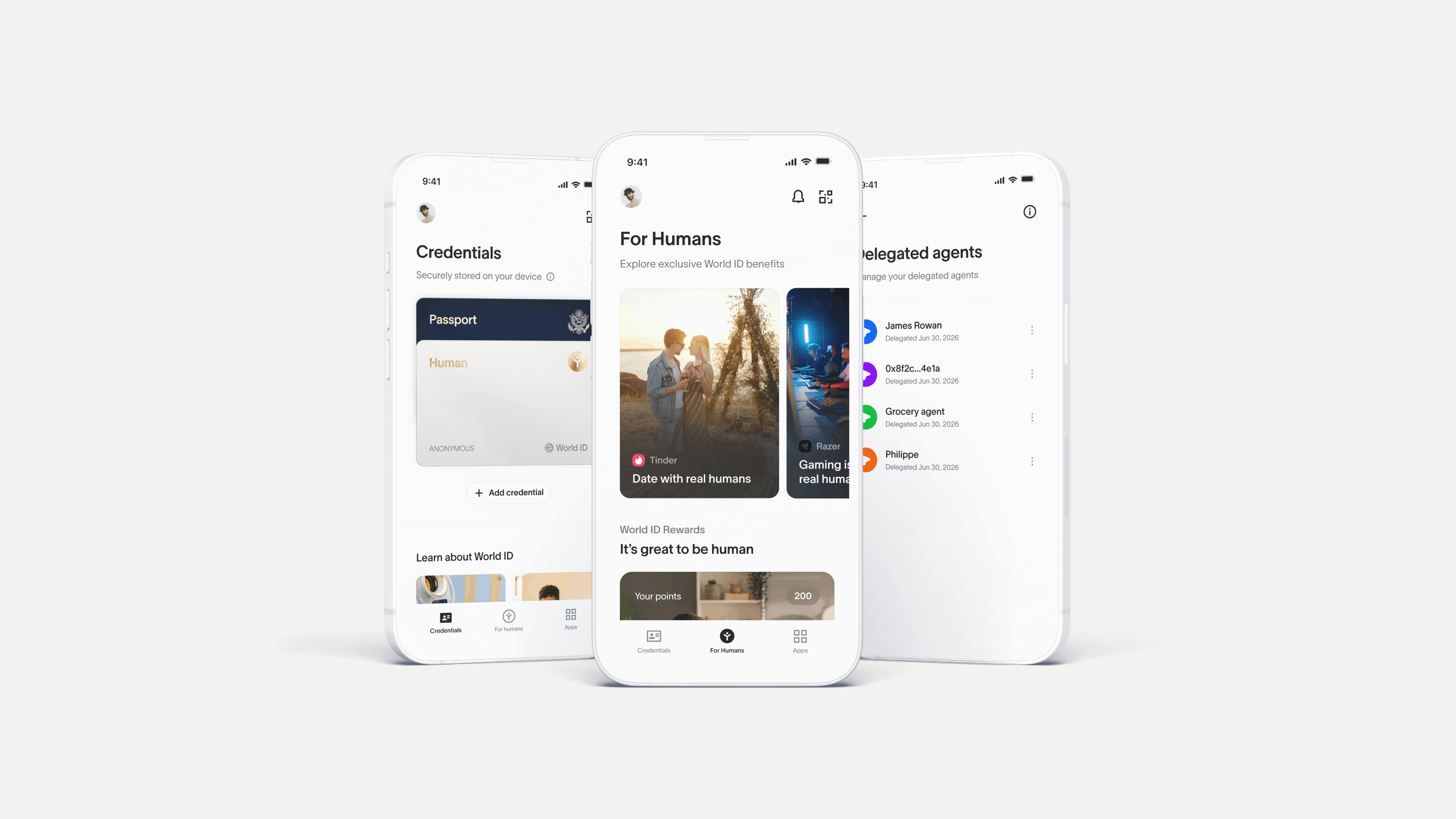
การอัปเกรดโปรโตคอลเริ่มจากการโอเพนซอร์ส World ID SDK เพื่อให้แอปใด ๆ สามารถกลายเป็นตัวตรวจสอบยืนยัน World ID ได้ เพื่อแสดงสิ่งนี้ World จึงเปิดตัวแอป World ID: ประสบการณ์ใช้งานที่ออกแบบมาโดยเฉพาะสำหรับการจัดการและใช้งานหลักฐานความเป็นมนุษย์ทั่วทั้งอินเทอร์เน็ตและบริการดิจิทัล โดยเปิดเป็นเบตาแก่สาธารณะก่อน
แอป World ID ได้รับการออกแบบมาให้เป็นศูนย์กลางสำหรับหลักฐานความเป็นมนุษย์ที่จะอยู่บนอุปกรณ์ของคุณ คุณสามารถยืนยันกับแพลตฟอร์มและบริการต่าง ๆ จัดการเครื่องมือยืนยันของคุณ เก็บหลักฐานประเภทต่าง ๆ และควบคุมการใช้ World ID ของคุณได้จากในแอป ในอนาคตขณะที่โปรโตคอลนี้กระจายศูนย์มากขึ้น นักพัฒนาและองค์กรอื่น ๆ จะสามารถสร้างเครื่องมือยืนยันของตนเองได้ โปรโตคอลนี้เปิดเสรีและคุณมีทางเลือก
มีส่วนร่วมพัฒนากับ World ID
เครือข่ายมนุษย์จริงตอนนี้ครอบคลุมมนุษย์กว่า 18 ล้านคนที่ได้รับการยืนยันแล้ว ด้วย World ID ใหม่ โปรโตคอลก็พร้อมสำหรับการเติบโตอีกระดับขั้น ร่วมกับพันธมิตร แพลตฟอร์ม และการใช้งานที่จะเกิดขึ้นในอนาคต ส่วนประกอบของโปรโตคอลเป็นหรือจะเป็นโอเพนซอร์สและปล่อยสิทธิ์การใช้งานอย่างเสรีในอนาคต เราขอเชิญนักพัฒนา นักวิจัย และผู้สร้างทุกท่านมาร่วมพิจารณาคุณสมบัติ ทดลองใช้โปรโตคอล และเสนอความคิดเห็น
หลักฐานความเป็นมนุษย์กำลังกลายเป็นอีกระดับชั้นพื้นฐานของอินเทอร์เน็ต โดย World ID ใหม่คือเส้นทางที่จะพาเราไปถึงจุดนั้น หากคุณคือธุรกิจหรือแอปพลิเคชันที่สนใจผสานรวม World ID กรุณาศึกษาเอกสารจาก docs.world.org เพื่อเริ่มต้นใช้งาน
คำถามที่พบบ่อยเกี่ยวกับ World ID
ฉันจะสมัครเข้าร่วม World ID ได้อย่างไร?
สามารถสร้าง World ID ได้ในวอลเล็ตดิจิทัลที่รองรับ World ID เช่น World App ซึ่งเป็นวอลเล็ตแรกที่พัฒนาขึ้นสำหรับ World Network โดยทีมงาน Tools for Humanity (TFH) ในการยืนยัน World ID ของคุณและรับข้อมูลประจำตัว “หลักฐานความเป็นมนุษย์” คุณต้องไปที่ Orb เพื่อยืนยันตัวตนจริงว่าคุณเป็นมนุษย์จริงและมนุษย์ที่ไม่ซ้ำใคร
ต่อไปนี้คือสิ่งที่จะเกิดขึ้นตามขั้นตอนโดยละเอียด หลังจากคุณสมัคร World App:
- Orb จะถ่ายภาพดวงตาและใบหน้าของคุณ
- Orb จะสร้างรหัสที่ไม่ซ้ำโดยอิงจากภาพถ่ายเหล่านี้ ส่งภาพถ่ายและรหัสเฉพาะไปยังอุปกรณ์ของคุณ (แพ็กเกจการเก็บรักษาข้อมูลด้วยตนเองของคุณ หรือ Personal Custody Wallet) ก่อนที่จะลบข้อมูลเหล่านั้น
- อุปกรณ์ของคุณจะส่งชิ้นส่วนแบบไม่ระบุตัวตนของรหัสเฉพาะของคุณไปยังโหนด AMPC เพื่อยืนยันว่าคุณเป็นมนุษย์จริงและเป็นมนุษย์ที่ไม่ซ้ำใครเมื่อยืนยันครั้งแรก
- World ID ของคุณได้รับการยืนยันความเป็นมนุษย์แล้ว
สามารถดูข้อมูลเชิงลึกเกี่ยวกับวิธีการที่ Orb ยืนยัน World ID ได้ ที่นี่
สามารถดูข้อมูลเชิงลึกเกี่ยวกับ Anonymized Multi-party Computation (AMPC) ได้ ที่นี่
สามารถดูข้อมูลเชิงลึกเกี่ยวกับข้อมูลและ Orb ได้ ที่นี่
สามารถดูข้อมูลเชิงลึกเกี่ยวกับการเก็บรักษาข้อมูลด้วยตนเองได้ ที่นี่
สามารถดูข้อมูลเชิงลึกเกี่ยวกับความเป็นส่วนตัวของ World ได้ ที่นี่
ใครสามารถใช้ World ID ได้บ้าง?
World ID เป็นส่วนหนึ่งของโปรโตคอลโอเพนซอร์สแบบ Permissionless ใช้งานได้สำหรับทุกคน เอกสารสำหรับนักพัฒนาทุกฉบับเปิดให้สาธารณะเข้าถึงได้โดยอิสระ
การใช้ World ID จะเชื่อมโยงกับข้อมูลส่วนบุคคลหรือไบโอเมตริกซ์หรือไม่?
World ID ได้รับการออกแบบมาให้ใช้งานได้แบบไม่ระบุตัวตน ทุกคนสามารถใช้ World ID ได้โดยไม่ต้องให้ข้อมูลส่วนตัวแม้แต่น้อย ไม่ว่าจะเป็นชื่อ ที่อยู่อีเมล เบอร์โทรศัพท์ หรือโปรไฟล์ในโลกโซเชียล
World ID ของแต่ละบุคคลจะถูกสร้างขึ้นบนอุปกรณ์ของตนเองในแอป World App ก่อนจะไปยัง Orb ซึ่งทำหน้าที่ถ่ายภาพเพื่อยืนยัน World ID ของบุคคลนั้น (และในกรณีจำเป็น) เพื่อการกู้คืน โดยข้อมูลที่เกี่ยวข้องนี้จะไม่มีการส่งต่อให้กับหน่วยงานภายนอกใด ๆ เมื่อใช้งาน World ID
ข้อมูลเพิ่มเติม
สำหรับข้อมูลเพิ่มเติมเกี่ยวกับ World ID สามารถเยี่ยมชมหน้า World ID, เอกสารสำหรับนักพัฒนา และ Whitepaper ของ World
สามารถดูขั้นตอนการยืนยัน World ID และการเข้าร่วม World Network ได้ ที่นี่
เข้าร่วมเครือข่ายมนุษย์จริง
ดาวน์โหลดแอป World IDบทความที่เกี่ยวข้อง

Announcements ·
Muse, dots, Instinct, and the question every agent will be asked
Announcements ·
Product ·
peaqOS brings World ID to physical AI and the machine economy

Announcements ·
Putting human fans first in the ticket queue: a global look at the ticketing bot challenge
Announcements ·