
World for Enterprise
Integrate with World
World puts humans first online.
Securely and anonymously prove that every user is a real and unique human online.




World ID Integrations

Deepfake fraud is accelerating.
- 0%
of internet traffic is now bots.(1)
- 0%
of organizations experienced a deepfake attack in the past 12 months.(2)
Where Proof of Human matters
Enable users to prove they are real, unique and age-eligible without sharing personal information.
When you look at our customer base, from financial services to healthcare and education, they are concerned about how they can protect themselves from deepfakes. Zoom is a company that is focused on human connection. We’re looking at how we emphasize that human aspect when folks really want to lean into humanity.
Brendan Ittelson
Chief Ecosystem Officer, Zoom
Enterprise developer resources


Case study
Get inspired by what you can do with World.


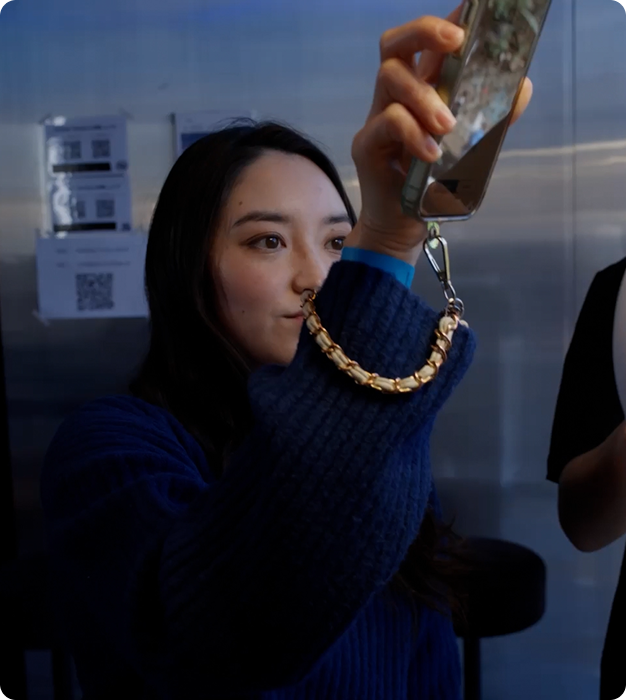
The Human Badge is a signal to the community that this person can be trusted to be a real and unique human, with that trust, users feel more comfortable starting a conversation.
Tomoaki Umeki
Head of Tinder, Japan
World ID is designed to be anonymous
When World ID is used to prove someone is a unique human with a third-party partner, World ID is not revealed to that third party.
Through a cryptographic technology called zero-knowledge proofs (ZKPs), users only reveal that they have a valid World ID.
FAQ
World boosts integrity across platforms and enterprises with privacy-first Proof of Human verification.
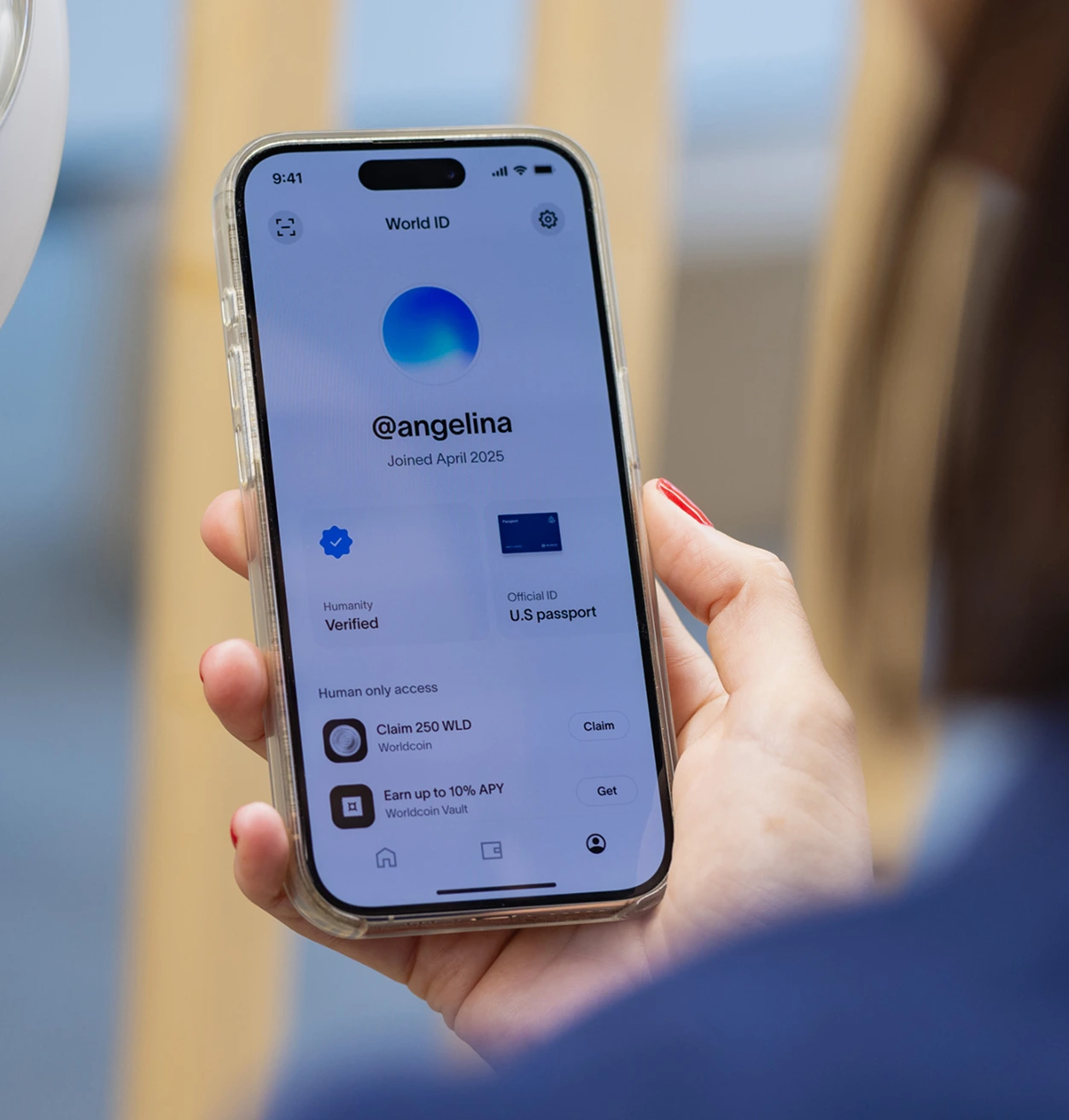
Once verified, World ID can be used across hundreds of applications and services that integrate with the World protocol, for example:
- Gaming with real humans
- Dating apps for real humans
- Shopping for real humans
- Agentic commerce delegated by real humans
- Participate in verified real human polls
- And many other applications
World ID allows individuals to anonymously prove that they are a unique human and not a bot or AI system on web and mobile applications. Users do not need to disclose any personal information such as their name, phone number or email address. The application or service will only know they are a unique human; additionally, user actions are not trackable through World ID. Today, using World ID is available through integrations with Razer, Match Group, Okta Auth0, and others.
Future uses: The World SDK is open source and available for anyone to build on World. Future uses will continue to emerge as more developers use World ID as a Proof of Human layer of authentication.
That's actually the design - and it's a feature for partners, not a limitation. World ID gives you a cryptographic guarantee that a user is a unique human (or meets specific attributes like "over 18"), without you ever needing to store, secure, or be liable for personal data. There is no database of user records or personal information for an attacker to steal and no data liability for you as a partnered enterprise to manage. The proof itself is anonymous via zero-knowledge proofs, so you get the trust signal without inheriting GDPR/CCPA exposure on identity data.
When a person uses their World ID, there are a number of privacy safeguards in place to ensure that the individual remains anonymous.
First, zero-knowledge proofs (ZKP) prove that a person is a unique human without sharing personal information with the third party requesting the proof. ZKPs also protect the use of World ID from being tracked across applications or tied to any biometric data.
World ID uses an open source protocol known as Semaphore to ensure that World ID data itself cannot be tied to a person’s identity nor when they share their “Proof of Human” with other applications.
World ID offers users unmatched control over their information, including Personal Custody.
“Personal Custody" means all information generated at the Orb when a user verifies their World ID (photos, metadata and derived data, including the unique code) is held only on their device. And neither World Foundation, Tools For Humanity nor any third-party company can decrypt the encrypted files when they are passing through their servers to arrive at the user’s phone. The system has been designed to keep every user’s data secure even in the case their phone gets compromised.
Users have to verify only one time at a public Orb in one of our World Spaces. After verification, the World ID lives encrypted on the user's phone in World App and can be reused across any integrated app for life. No Orb is required at home - users visit a public Orb location. To see a list of all our available Orb locations you can visit and to understand Orb coverage globally, please see world.org/find-orb.
There are some exceptions where a user may need to revisit an Orb in the future - for example, if they lose their phone and can't recover their World ID from a backup, if they need to upgrade an older World ID issued before Personal Custody Packages, or if a higher-trust application requires a fresh verification.
Proof of Human verification powered by the Orb only involves one type of data: images of the user’s eyes and face. It does not require the user’s name, email, gender or anything else.
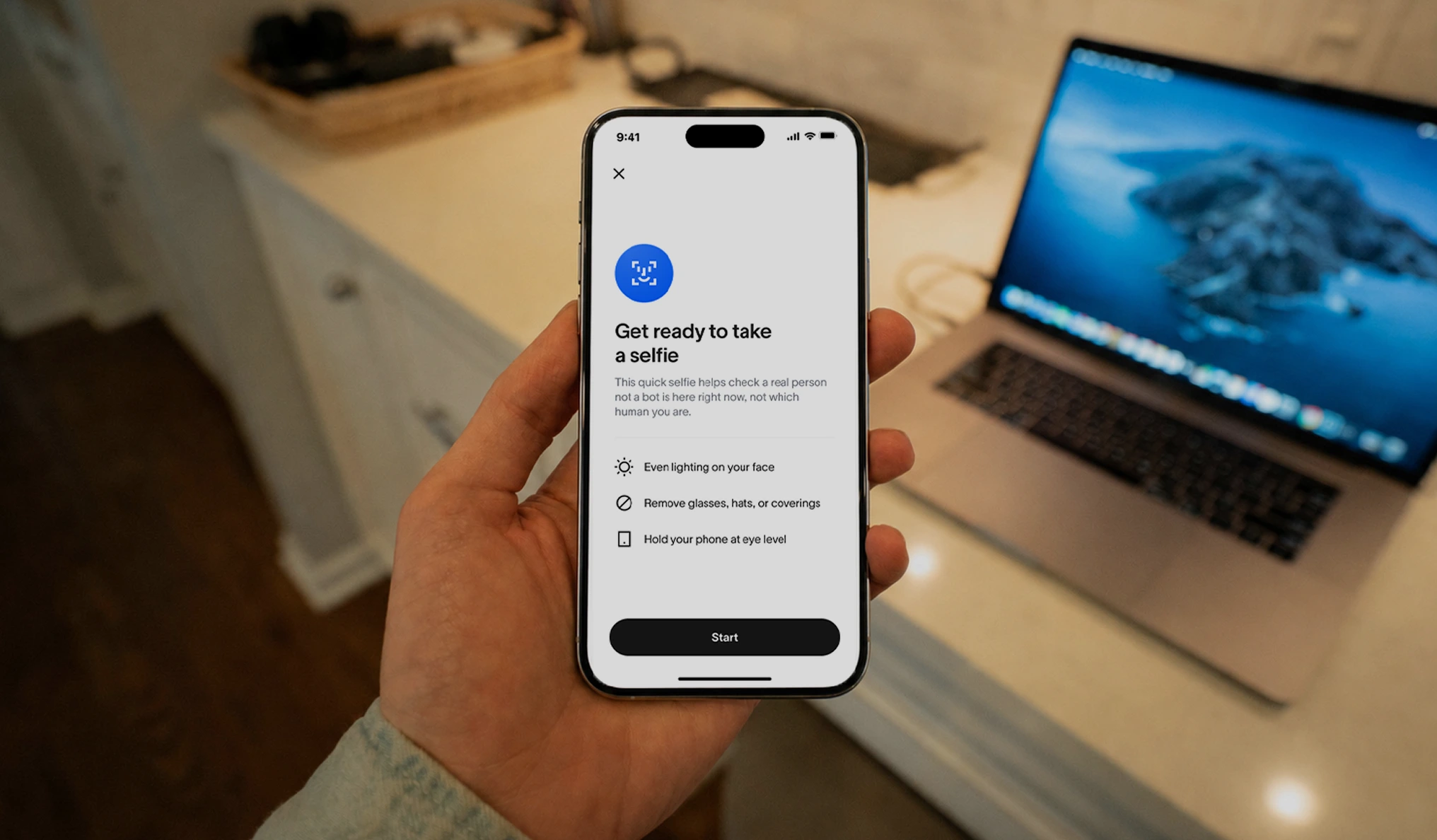
The iris images are used to verify a user’s unique humanness, while the images of their face are used for Face Auth, a security feature that ensures only the person who verified their World ID at an Orb can use it.
After a user signs up for the World App, they can find a World Flagship location to visit an Orb. World ID verification happens at an Orb.
When a user is at an Orb station and already signed up on the World App, here’s what happens step by step:
- The Orb takes high-resolution images of the user’s irises and face.
- The Orb uses these images to confirm the user’s humanness and converts the iris image into a unique code which is then split into randomized multi-party compute (MPC) fragments.
- The Orb sends the images and MPC fragments to the user’s device (their personal custody package), before permanently deleting them.
- The user’s device sends the fragments to the AMPC service to confirm the user has never verified before.
- The user’s World ID is verified.
Much of the process and code related to verifying unique humanness, including AMPC and what happens on the Orb, is open sourced for anyone to view and audit here.
You can submit your interest in the Contact Us form on this webpage and we will be in touch.